When comparing concrete mixers in Kenya, buyers may notice that two machines with similar specifications can have noticeably different prices. One may be available from stock, while the other is manufactured only after an order is confirmed. The price difference is not necessarily caused by mixing capacity alone. Production timing, machine configuration, shipping arrangements, customization, inventory costs, and supplier planning can all influence the final quotation. For contractors, understanding this distinction is important because the purchase decision involves more than the machine itself. An in-stock mixer may support an urgent construction schedule, whereas a made-to-order machine may provide a configuration better suited to a particular project. The relationship between availability, specification, logistics, and payment timing therefore deserves closer attention when evaluating equipment quotations.
How In-Stock and Made-to-Order Mixers Reach the Kenyan Market
In-Stock Machines Are Prepared Before the Buyer Orders
An in-stock concrete mixer has already passed manufacturing and inspection before the customer places the purchase order. The supplier has therefore absorbed part of the production risk and may already have the machine positioned in a warehouse or prepared for shipment. This can shorten the period between payment and dispatch. For contractors working against a tight project schedule, that logistical advantage can be significant. However, the available machine may have a fixed configuration rather than every component being selected specifically for the buyer.
Made-to-Order Machines Follow a Specific Production Plan
A made-to-order machine enters production after the order is confirmed. The supplier may adjust the engine, hydraulic components, tires, configuration, color, electrical system, or other specifications according to the agreed requirements. Because manufacturing resources are committed to an individual order, the quotation can reflect production scheduling, component procurement, quality inspection, and factory handling. This helps explain why the concrete mixer price in Kenya cannot always be compared simply according to the advertised capacity.
Why Stock Availability Can Change the Quoted Price
Inventory Has Its Own Commercial Cost
Keeping machinery in stock requires warehouse space, capital, maintenance, inspection, and inventory management. A supplier holding completed equipment has already invested money before receiving the customer's payment. In some cases, a stock machine may therefore be priced to recover inventory-related costs. In other situations, a supplier may reduce the price of existing stock to accelerate turnover or make room for newer configurations. The direction of the price difference can consequently vary from one supplier to another.
Production Timing Also Influences Purchasing Decisions
A made-to-order mixer normally requires a manufacturing period before export preparation begins. This adds time to the procurement cycle, particularly when specialized components are involved. An in-stock machine can remove much of this waiting period. For a contractor facing a scheduled concrete pour, road project mobilization, or equipment replacement requirement, shorter lead time can have practical value even when the initial quotation is not the lowest available figure.
Price Should Be Compared With Delivery Timing
The useful comparison is not simply machine price versus machine price. Buyers should also consider when the equipment can leave the factory, how long ocean freight may take, and when customs clearance and inland transportation can be completed.
How Configuration Affects the Price of Concrete Mixers
Similar Output Does Not Mean Identical Equipment
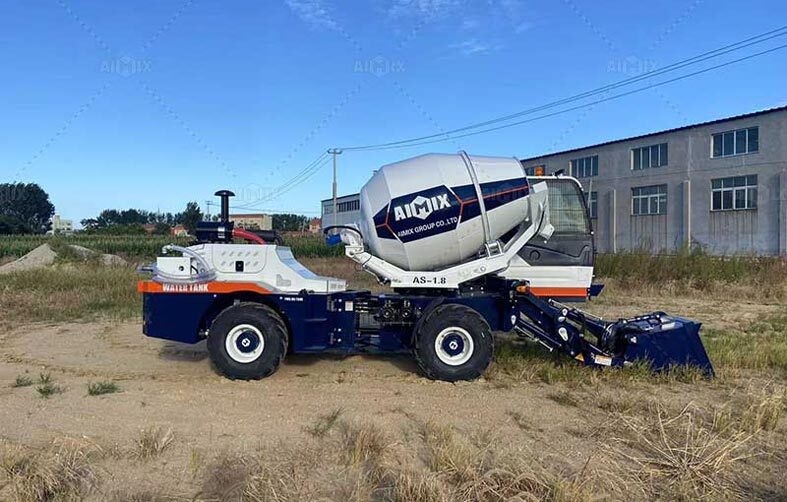
Two mixers can have comparable theoretical output while using different engines, hydraulic systems, transmission components, drum arrangements, or control systems. These differences may not be obvious from a short online specification. For example, a buyer researching the price of self loading concrete mixer in Kenya should examine the complete configuration rather than comparing only the stated mixing capacity. Loader bucket size, driving system, hydraulic components, weighing accuracy, cabin configuration, and engine specification can all affect the quotation.
Customization Can Add Production Complexity
Made-to-order equipment may include modifications requested for local working conditions. A contractor could require a particular engine standard, tire configuration, electrical arrangement, or additional operating function. Such changes can require separate component procurement and additional factory coordination. The resulting price may therefore differ from a visually similar stock machine even when both machines belong to the same model family.
How Logistics Can Make Two Similar Machines Have Different Prices
Shipping Preparation Is Part of the Purchase Cost
The machine's factory price is only one component of the procurement calculation. Export packing, loading, container utilization, documentation, port handling, freight, insurance, and destination charges can affect the amount ultimately paid by a Kenyan buyer. A stock machine may already have export arrangements prepared, while a made-to-order machine may require a new shipping schedule after production is completed. The difference is particularly relevant when equipment dimensions affect container selection or loading arrangements.
Urgency Can Change the Practical Value of Availability
Construction projects do not always follow a convenient procurement calendar. A contractor may need equipment after receiving a new project package or when an existing machine becomes unavailable. In this situation, an available mixer can reduce equipment mobilization delays. The buyer should therefore compare the quotation together with lead time, shipping schedule, and expected arrival date rather than treating the lowest factory figure as the complete purchasing cost.

What Kenyan Buyers Should Check Before Comparing Quotations
Compare the Same Specification First
Before judging the mini concrete mixer machine price in Kenya, buyers should place the quotations side by side and verify the engine, mixing capacity, loading bucket, hydraulic system, drive configuration, weighing system, warranty, spare parts, and included accessories. A lower quotation may represent a different configuration rather than a genuinely lower price for equivalent equipment.
Separate Machine Price From Total Procurement Cost
A practical quotation review should distinguish the equipment price from freight, insurance, port charges, taxes, customs clearance, inland transport, and optional components. This creates a clearer picture of the actual investment required to place the mixer at the construction site. The purchase schedule should also be recorded. An in-stock machine may have a shorter manufacturing lead time, while a made-to-order machine may require additional factory production but offer a configuration more closely matched to the project.
Match Availability With the Construction Schedule
For a project beginning immediately, stock availability may reduce waiting time. For a long-term project with more flexible mobilization, a made-to-order configuration may allow greater specification control. The appropriate comparison therefore depends on both the machine and the project timetable. In-stock and made-to-order concrete mixers represent different procurement arrangements rather than simply two different price levels. Stock equipment emphasizes availability and shorter production waiting periods, while made-to-order equipment provides greater scope for configuration according to project requirements. For Kenyan buyers, a meaningful quotation comparison should combine machine specification, production status, logistics, customization, and delivery timing. This approach makes the difference between two seemingly similar prices easier to understand and helps connect equipment purchasing with the actual construction schedule.