The Kingdom of Saudi Arabia is currently experiencing an unprecedented infrastructural renaissance. From the gleaming new urban developments of NEOM to the sprawling transport networks connecting the Red Sea coastline, the demand for high-quality concrete is unrelenting. Yet, the very conditions that make these megaprojects possible—the vast distances, the extreme climatic conditions, and the tight project schedules—also present formidable obstacles to the traditional deployment of construction machinery. Historically, the installation of concrete batch plants in this region has been a logistical nightmare, plagued by delayed shipments, sweltering on-site assembly conditions, and the perennial shortage of highly specialised labour. It is within this crucible that factory pre-assembly emerges not as a mere convenience, but as an essential strategic imperative. This methodology fundamentally alters the calculus of project execution, transforming the installation of a concrete batch plant in Saudi Arabia from a high-risk, time-consuming chore into a streamlined, predictable, and efficient process.
The Logistical Imperative in the Kingdom
To appreciate the value of pre-assembly, one must first acknowledge the sheer scale and complexity of the Saudi Arabian construction landscape. It is a theatre of operation where project managers contend with the tyranny of distance, the unrelenting heat, and the stringent demands of a workforce that is increasingly difficult to train to the necessary standard. The traditional approach of shipping raw components and assembling them in situ is an anachronistic practice that is simply incompatible with the pace of modern development. This approach invites a host of complications, from customs delays to the misalignment of structural steel, all of which conspire to derail the critical path of a project.
Mitigating the Mercurial Nature of Site Conditions
The Arabian Peninsula is characterised by its austerity. The ambient temperature routinely surpasses 50°C, transforming the construction site into an inhospitable environment where the margin for error is perilously thin. On-site assembly under such conditions is not merely unpleasant; it is inherently inefficient. Precision work, such as the calibration of weighbridges or the tuning of pneumatics, becomes fraught with difficulty. The thermal expansion of metals, the degradation of lubricants, and the sheer physical exhaustion of the workforce all contribute to a compromised installation. Factory pre-assembly offers a robust solution to this environmental adversity. By conducting the majority of the assembly and testing within a controlled, climate-regulated facility, the manufacturer can ensure that every component is set and welded to its exacting tolerances, irrespective of the conditions outside. The plant arrives in the Kingdom as a fully operational entity, requiring only final connection, thereby circumventing the pernicious effects of the local microclimate.
Circumventing the Paucity of Specialist Manpower
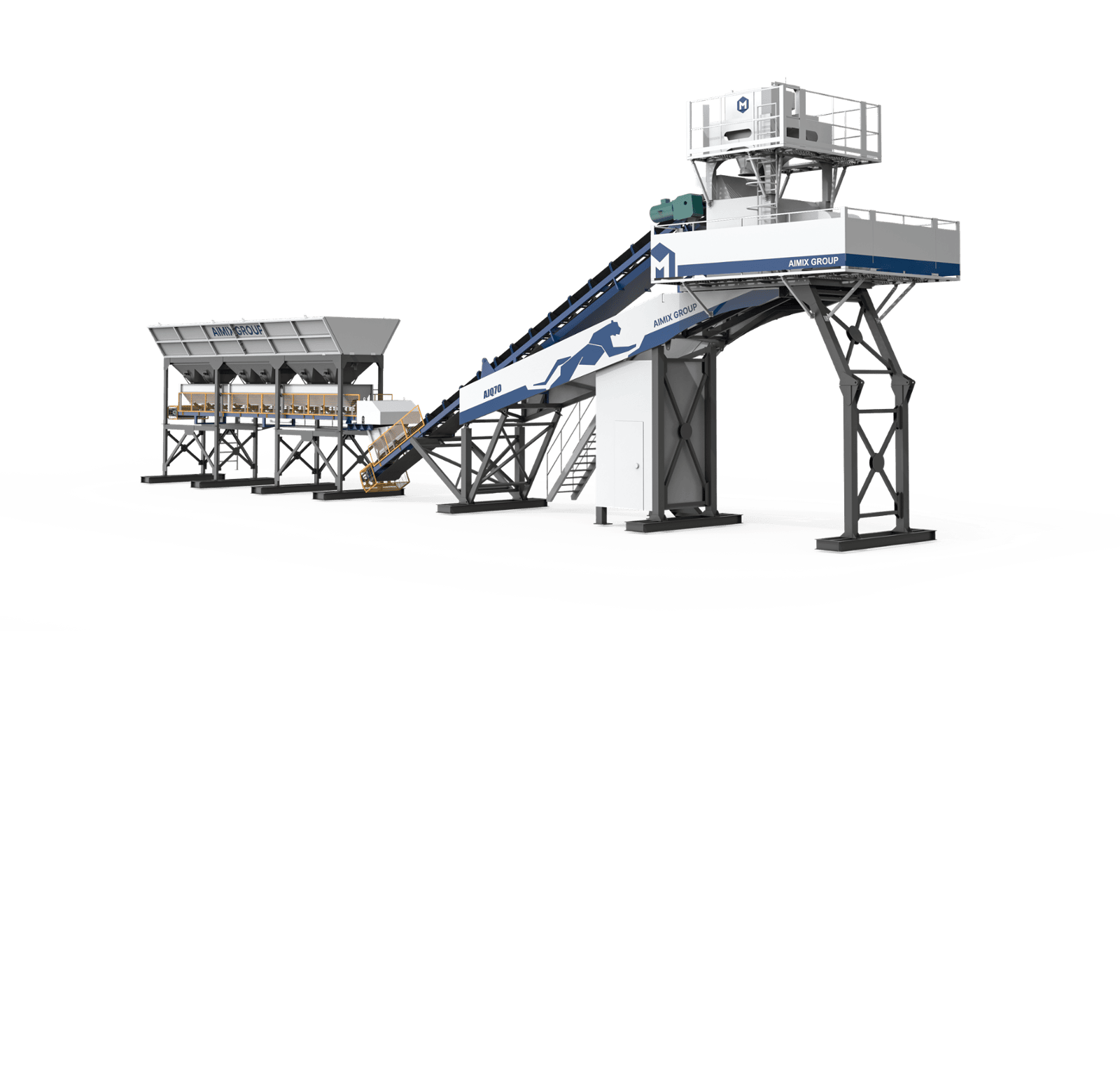
The rapid expansion of the Saudi construction sector has created a significant talent deficit. There is a pronounced scarcity of highly skilled engineers and technicians capable of overseeing the complex assembly and commissioning of a traditional concrete batch plant for sale. Attempting to erect a plant from a pile of raw steel and wiring diagrams places an immense burden on an already stretched project team. It necessitates the importation of specialist personnel, which is a costly and administratively cumbersome process. Factory pre-assembly elegantly circumvents this logistical hurdle. The intricate work of structural welding, electrical wiring, and system integration is executed by the manufacturer's own seasoned technicians, who possess an intimate, instinctive knowledge of the equipment. Consequently, the on-site workforce does not require the same esoteric expertise; they are tasked with the comparatively straightforward duty of installing pre-assembled modules, a process that can be managed effectively by a smaller, more readily available team of local generalists.
Quality Assurance and the Elimination of Variable Error
Beyond the immediate logistical advantages, the practice of factory pre-assembly yields a profound elevation in quality assurance. When a plant is constructed in a fragmented manner across a dusty site, the potential for variable error is immense. Misaligned screw conveyors, improperly tensioned belts, and incorrectly seated bearings are common, if not inevitable, occurrences. These seemingly minor imperfections accumulate to create a plant that is perpetually underperforming, plagued by downtime and producing substandard concrete.
The Rigour of a Systematic Pre-Commissioning Phase
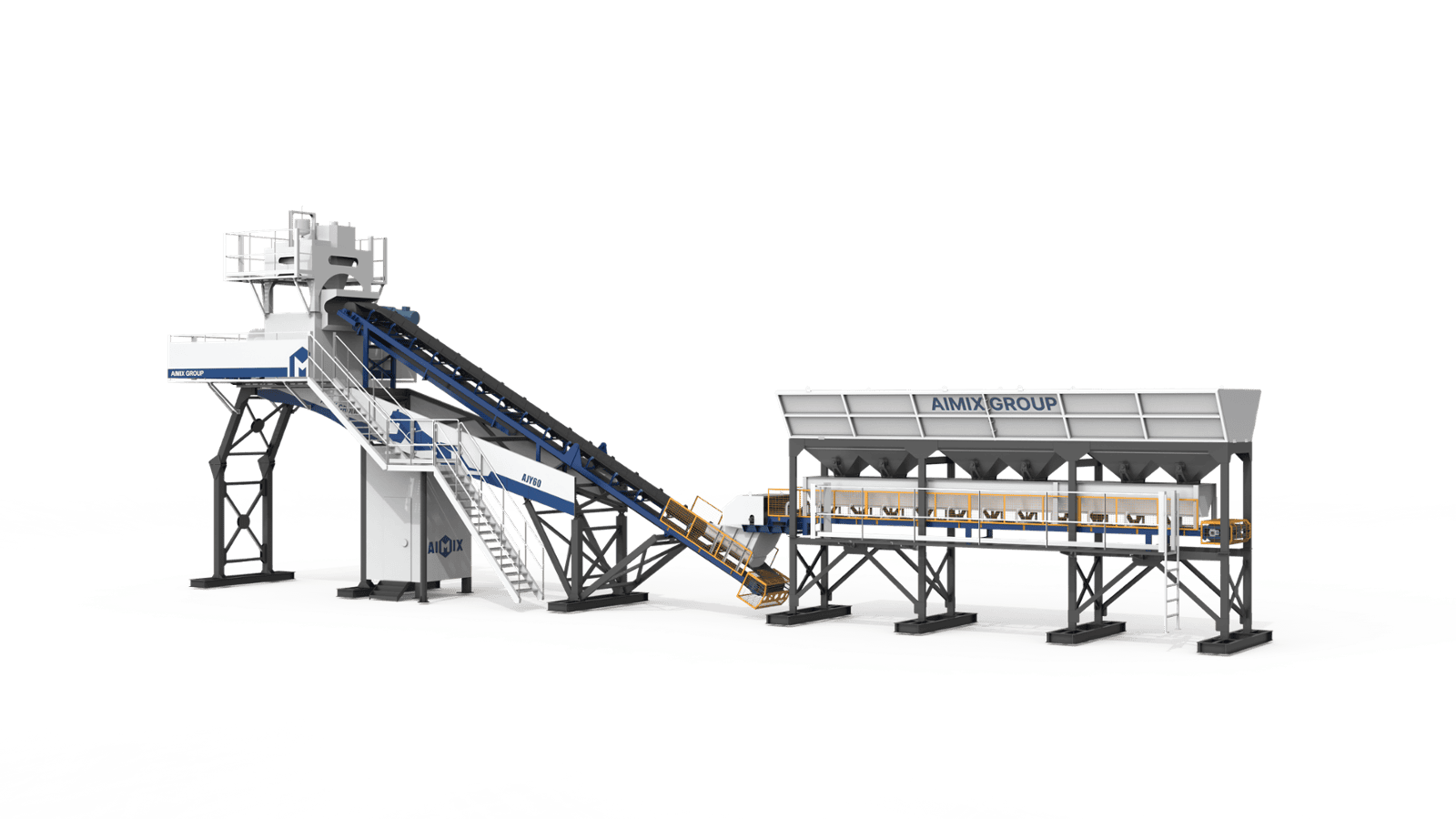
In the factory environment, the pre-assembled plant is subjected to a rigorous pre-commissioning phase. This involves running the entire system, often using surrogate materials, to simulate its operational parameters. This is not merely a cursory test; it is an exhaustive validation of every functional aspect, from the batching logic of the automation software to the fluid dynamics of the water injection system. This process allows the manufacturer to identify and rectify any discrepancies before the equipment is even crated for shipment. The cost of rectifying a misalignment in the factory is a fraction of the cost, in both time and money, of doing so under the unforgiving Saudi sun. This proactive approach to quality control ensures that the plant is not merely installed, but is ready to produce material of the required specification from the moment it is powered on, providing an immediate and tangible return on investment.
Accelerating the Critical Path to Production
In the construction industry, time is the most unyielding metric of success. The difference between a project that is profitable and one that founders often lies in the optimisation of the project schedule. On-site assembly is a notoriously unpredictable phase that consistently overruns its budgetary and temporal allocations. Delays in shipping, weather, and on-site mechanical issues invariably lead to a protracted commissioning period. Factory pre-assembly dramatically compresses this timeline. By delivering a ready mixed concrete plant that is essentially ready to run, the installation process is reduced to a matter of days rather than weeks. The pre-wired and pre-plumbed nature of the modules means that the integration of the plant into the site's infrastructure is a seamless affair. This rapid deployment allows the contractor to commence production earlier, which not only safeguards the project schedule but also provides a crucial buffer against unforeseen contingencies further down the line.
Long-Term Economic and Operational Benefits
While the immediate advantages of factory pre-assembly are compelling, it is the long-term economic and operational benefits that truly cement this methodology as the preferred choice for the discerning project manager. The impact extends far beyond the initial installation, influencing the total cost of ownership and the reliability of the plant over its entire service life.
The Enduring Value of a Documented Baseline
A plant that is pre-assembled in the factory arrives with a comprehensive dossier of its performance characteristics. Every calibration setting, every electrical resistance reading, and every operational parameter is meticulously documented. This documentation serves as a critical baseline for future maintenance and diagnostics. As the plant ages and its components inevitably wear, the maintenance team can refer to this baseline to quickly identify deviations from the original specification. This capability to preemptively diagnose issues facilitates a shift from reactive, interruptive maintenance to a more efficient predictive model. This prophylactic approach to equipment stewardship not only extends the operational lifespan of the plant but also ensures that its output remains consistently high, safeguarding the quality of the concrete being produced.
Standardisation and the Ease of Replication
For large-scale developers engaged in multiple concurrent projects, the standardisation afforded by factory pre-assembly is an invaluable asset. It allows for the deployment of identical plants across disparate sites, fostering operational synergy. Technicians can seamlessly move from one project to another, requiring minimal retraining, while the supply chain for spare parts can be streamlined. The consistency of the pre-assembly process reduces the variability inherent in multi-site operations, leading to a more predictable and controllable expenditure. In essence, it transforms the procurement of a batch plant from a bespoke, high-risk gamble into a standardised, reliable commodity, a crucial factor in the sustained growth of the Kingdom's ambitious infrastructure agenda.