Listen closely to the city. It hums, it hammers, and increasingly, it crunches. Not with the distant rumble of a static quarry on the periphery, but with the intimate, guttural sound of recycling happening right on the construction site. The modern urban landscape is a palimpsest—a constant rewriting of streets, subways, and squares. To keep pace, the machinery of transformation must be as fluid and adaptive as the city itself. This is the dawn of hyperlocal demolition. It’s a trend where the waste of one workday becomes the foundation of the next, and at its heart is the silent (sometimes not so silent) revolution of mobile concrete crusher units weaving through traffic cones and scaffolding.
The Death of the Landfill Run: Closing the Urban Loop
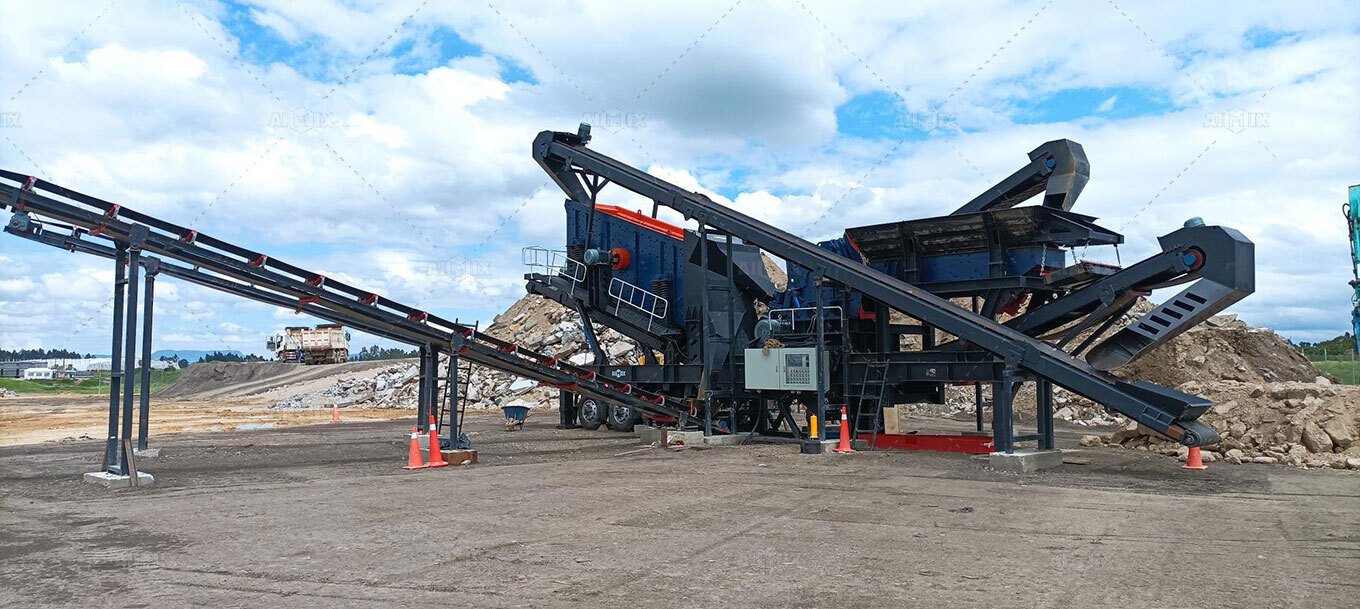
For decades, the ritual was wasteful and expensive. A building fell, and convoys of dump trucks choked the arteries of the metropolis, hauling rubble to distant landfills. Then, empty, they rumbled back for another load. This linear process—demolition, hauling, burying—is an anachronism in the age of the circular economy. Mobile concrete crushers have rewritten this script. They slide into a cordoned-off lane, swallow a demolished parking garage whole, and excrete a perfect, graded aggregate. The material never leaves the zip code. It travels fifty meters to become the sub-base for a new bike lane.
Vanquishing the Logistics Nightmare
Consider the sheer, suffocating cost of urban trucking. Every mile a dump truck travels is a mile of traffic congestion, a plume of diesel particulate, and a line item bleeding budget. Mobile crushers nullify this equation. They sit directly on the rubble. By processing on-site, a project manager instantly eliminates outbound haulage fees and inbound virgin aggregate purchases. The machine becomes a silent partner in decongesting the city. It transforms a logistical nightmare into a graceful, closed-loop ballet of debris and rebirth.
Whisper Mode: Engineering for Noise-Sensitive Environments
Early crushers were brutes. They shook windows and enraged neighborhood associations. Modern mobile units, however, are paragons of restraint. Manufacturers now equip them with sound-dampening enclosures, vibration-dampening tracks, and dust-suppression cannons that mist the air. A unit can operate directly across from a hospital’s neonatal wing with only a low, mechanical murmur. This acoustic discretion is not a luxury; it is a license to operate. In the dense, vertical villages of modern cities, a track crusher’s survival depends on its ability to be heard, but not *felt*.
Demolition as a Service: The Rise of the Agile Aggregator
A new market player has emerged: the agile aggregator. These aren't massive quarry corporations. They are nimble contractors who treat crushers like Swiss Army knives. They bid on hyper-specific urban micro-projects: clearing a collapsed basement for a high-rise retrofit, processing the median barrier waste from a four-mile light rail extension. Their selling point is temporal flexibility. They promise to be on-site for exactly ten days, process exactly 5,000 tons, and vanish before the street-sweepers arrive. This precision is only possible with mobile machinery that departs under its own power, leaving a clean slab and a stockpile of certified 3/4-inch minus.
Navigating the Knife’s Edge of Right-of-Way
Urban sites are claustrophobic. The machine must fit between a fire hydrant and a buried fiber-optic line. This demands crushers with a small footprint and a radical turning radius. Tracked units excel here, pirouetting in spaces that would trap a wheeled loader. Furthermore, the modern crusher features remote operation. The operator stands fifty meters away, holding a pendant control, guiding the feed with a mini-excavator. This separation of human from machine allows the crusher to nestle into the most awkward, postage-stamp-sized lot without endangering personnel.
Material Nuance: From Foundation to Finish Grade
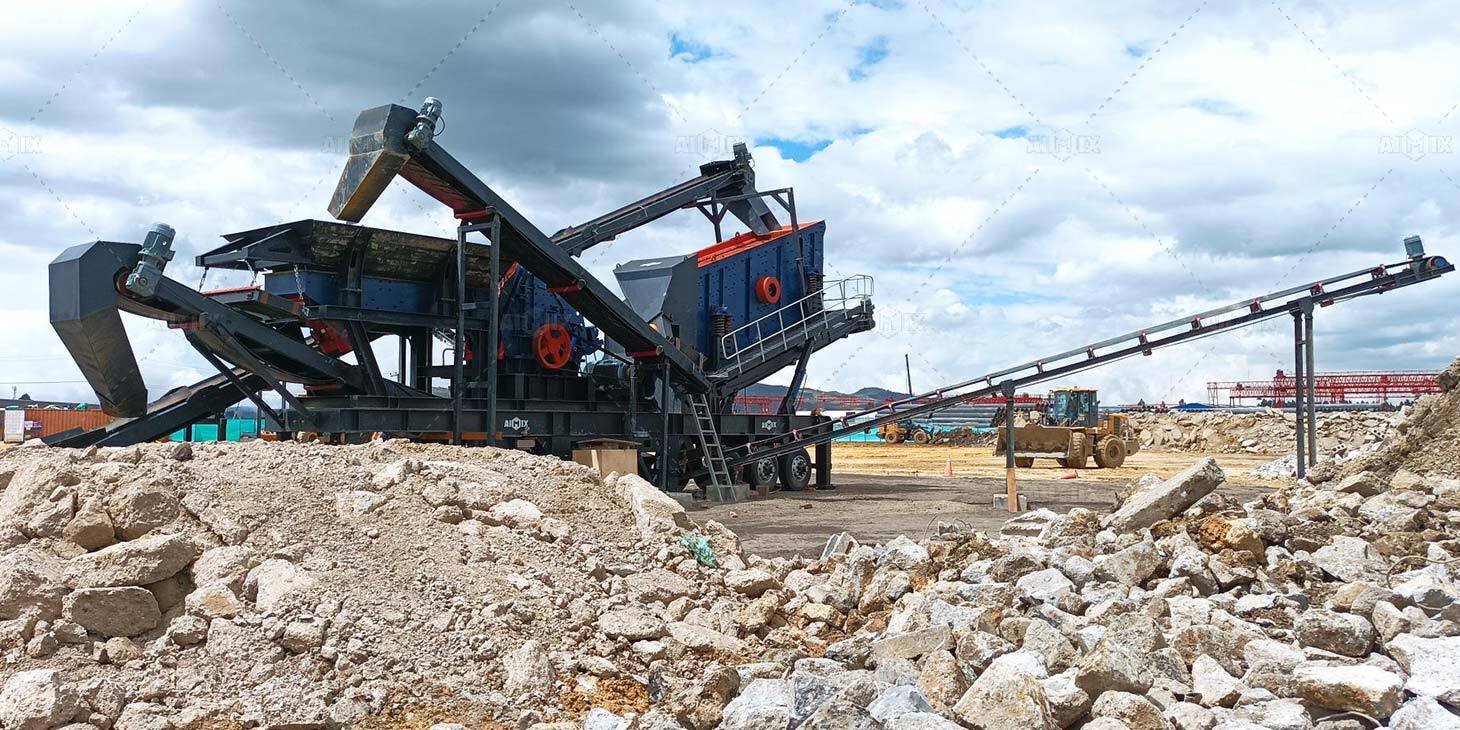
Not all concrete is equal. Urban sites deliver a chaotic potpourri: wire mesh, rebar, light-gauge steel, even historical brick dust. Mobile impact crushers adapted for the urban trend feature advanced magnetic separators and air classifiers. They pick the steel out for scrap revenue. They blow the light contaminants into a skip. What remains is a surprisingly clean, angular aggregate that locks together beautifully under a compaction roller. The machine doesn’t just crush; it curates the rubble, elevating waste into a premium structural asset.
Regulatory Tailwinds and Green Certifications
Legislation is finally catching up to the logic of mobility. Cities implementing carbon accounting for construction sites now grant credits for on-site material reuse. LEED v4 and BREEAM certifications heavily reward projects that divert waste from landfills. A mobile crusher becomes a documentation machine, too. Integrated telematics track every ton processed, generating a verified report of recycled content used. This data is gold. It transforms the crusher from a cost center into a compliance asset, helping developers earn those coveted green plaques for their lobbies.
The Demographics of Density
Ultimately, the trend is demographic. The global population is funneling into megacities. There is no room for sprawling, horizontal landfills. There is no appetite for endless truck convoys. The only direction is up, and the only viable logistics model is micro-logistics. Mobile concrete crushing is the mechanical expression of urban resilience. It turns the inevitable detritus of density into the very fabric of the next generation of infrastructure. The market isn't just fueling this trend; the city walls themselves are demanding it, whispering a simple, pragmatic truth: tear it down, crush it here, build it again.