Selecting a cement mixer pump machine is a significant operational decision that directly impacts project feasibility, productivity, and profitability. The market offers a spectrum of machines, each engineered for specific volumetric demands and site conditions. A simple comparison of price or a single feature like pumping height is insufficient. A rigorous evaluation requires analyzing cement mixer pump machines within distinct performance classes, understanding the engineering features that dictate real-world reliability, and aligning the investment with a clear business strategy. This analysis moves beyond basic catalog listings to provide a structured framework for identifying the optimal machine based on concrete output requirements, financial parameters, and long-term operational goals.
Defining Performance Classes: From Compact to Industrial Machines
The first step is categorizing machines by their inherent capacity, which correlates directly with their intended application. The compact class, often with mixer capacities around 5-7 cubic meters and theoretical pumping outputs of 40-60 cubic meters per hour, is designed for small to medium-scale residential and light commercial work. These units prioritize maneuverability and accessibility, often featuring a truck-mounted design with a boom reach of 20-30 meters. They are the correct tool for housing projects, small warehouses, and swimming pools where volumes are manageable and site access may be constrained.
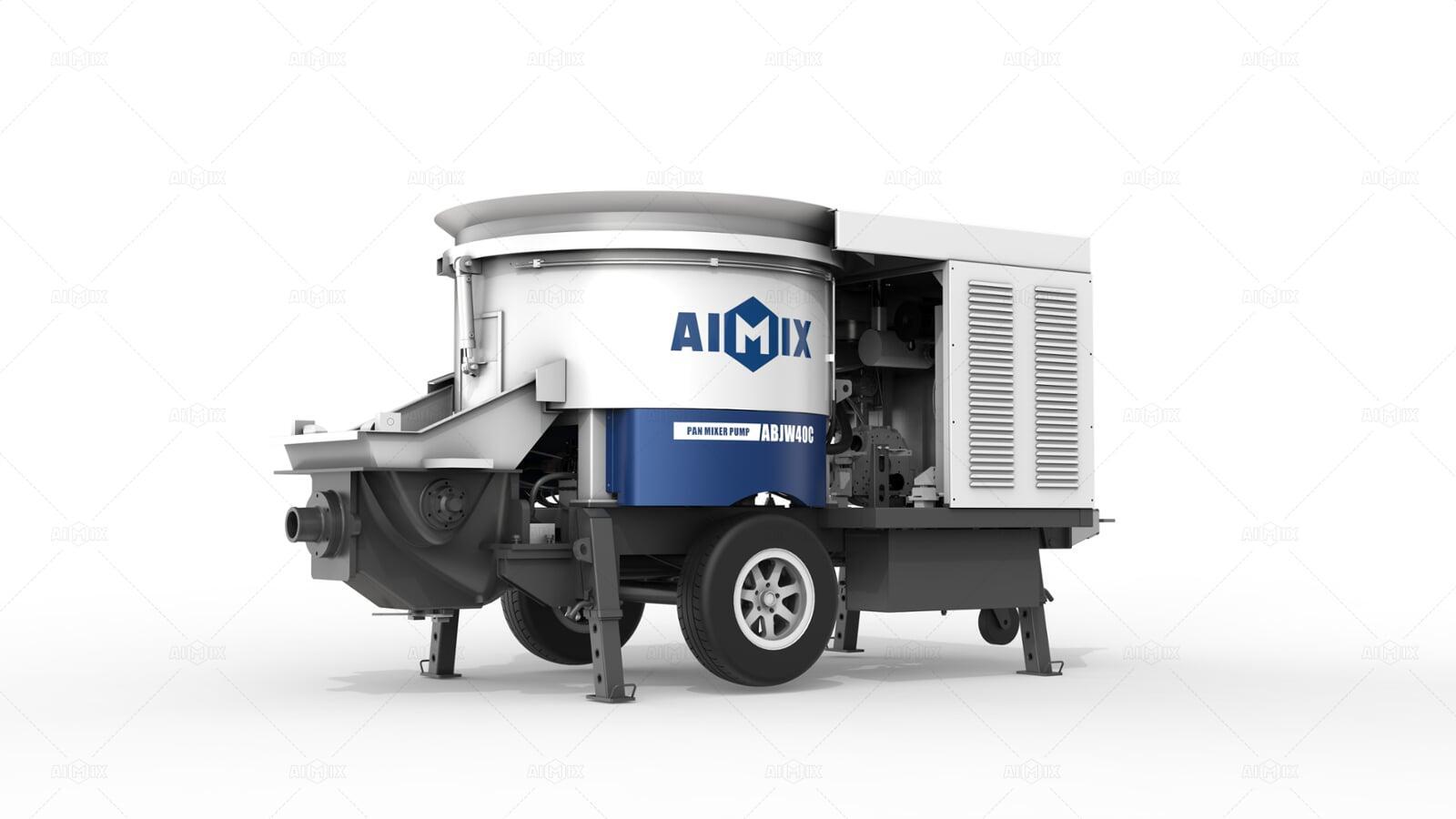
The mid-range workhorse category represents the most versatile and commonly deployed segment. Mixer capacities here range from 8 to 10 cubic meters, with pumping outputs from 80 to 120 cubic meters per hour. Boom reaches extend to 40-50 meters. This class balances substantial output with relative mobility, making it suitable for larger residential developments, mid-rise buildings, and commercial infrastructure. These machines possess the hydraulic pressure and material handling consistency to manage a wide variety of mix designs over longer distances and heights, providing a reliable core asset for a general contracting business.
At the industrial tier, machines are defined by high-volume capability and robust system integration. With mixer capacities exceeding 10 cubic meters and pumping outputs surpassing 150 cubic meters per hour, they are engineered for major infrastructure, high-rise construction, and precast plants. Booms can exceed 60 meters in reach. These units incorporate advanced control systems for precise pressure and flow regulation, sophisticated safety interlocks, and diagnostics. Their design emphasizes continuous, high-duty-cycle operation with minimal downtime, justifying their substantial capital requirement through relentless productivity on large-scale sites.
A Framework for Evaluation: Critical Features Beyond the Spec Sheet
Within each class, discerning buyers must assess specific engineering features that determine durability and efficiency. The heart of the concrete pumping machine is its pumping system. Key metrics include the maximum hydraulic pressure, measured in bar or MPa, which indicates its ability to push concrete over long horizontal distances and vertical heights against resistance. The cylinder bore diameter and stroke length directly influence the volume of concrete moved per piston cycle. The design and material quality of the S-valve or ball valve are critical; this component undergoes extreme abrasive wear and must be engineered for easy replacement and reliable sealing.
Structural integrity is paramount. The chassis and boom must be constructed from high-tensile steel to resist fatigue from constant vibration and dynamic loading. Outrigger design—both span and hydraulic capacity—dictates stability during operation, especially on uneven ground. The powertrain, whether a dedicated diesel engine or a power-take-off from the truck, must provide consistent power without overheating. Operational efficiency features include fuel-efficient engines, centralized grease points for routine maintenance, and an intuitive control interface that allows the operator to manage pumping speed, boom articulation, and mixer rotation from a single, ergonomic station.
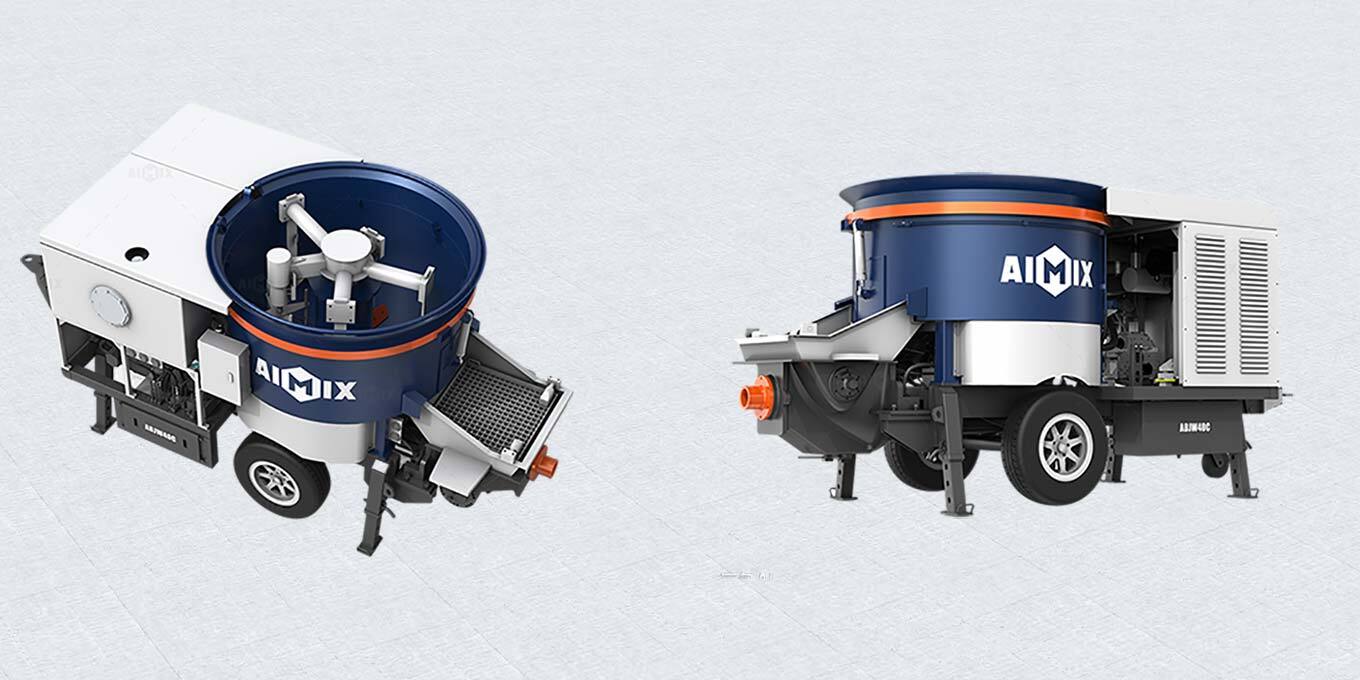
Price Positioning and Strategic Recommendations
Pricing follows capability. Compact mixer pumps may range from a base of approximately $80,000 to $150,000. Mid-range machines typically occupy a band from $150,000 to $300,000, varying with boom length, brand, and specific technical features. Industrial-grade machines command prices from $300,000 upwards, often exceeding half a million dollars for top-tier configurations with extensive reach and automation. These are capital investments, not mere equipment purchases.
The strategic recommendation hinges on a clear analysis of your project portfolio. For a business focused on individual homes and small commercial blocks, a compact or entry-level mid-range model offers the best return, avoiding the underutilization of a larger, more expensive asset. A general contractor consistently engaged in multi-story apartments and commercial structures should target a robust mid-range portable concrete pump machine as their primary fleet asset, ensuring they have the output and reach for 90% of their projects. The industrial machine is justifiable only for specialized contractors focused on dams, major bridges, or metropolitan high-rises, or for large rental houses serving that same market. The most common error is overbuying—acquiring a machine whose capacity and cost cannot be consistently leveraged by the available workflow. The optimal machine is the one whose performance envelope matches your typical project profile, ensuring high utilization and a rapid return on investment.