Cement production is a complex pyroprocessing and materials science operation, but its entire chemical sequence is fundamentally dependent on a singular, mechanical first step: the crushing of limestone. This process is often mistakenly viewed as mere size reduction. In reality, limestone crushing is a critical unit operation that establishes the preconditions for all subsequent stages of cement manufacture. The efficiency of the kiln, the quality of the intermediate clinker, and the ultimate performance characteristics of the finished cement are all intrinsically linked to the physical and chemical state of the crushed limestone feed. Understanding this role requires an examination of limestone's fundamental function, the specific objectives of the crushing circuit, and the downstream consequences of this preparatory stage.
The Foundational Feedstock: Limestone as the Primary Raw Material
Limestone is not merely an aggregate in cement production; it is the essential source of calcium oxide (CaO), the principal chemical component required for clinker mineral formation. Typical Portland cement clinker is composed of approximately 65% calcium oxide, which is derived almost exclusively from the calcination of limestone. The quality of the limestone deposit therefore dictates the baseline potential of the cement produced. Key quality parameters extend beyond simple calcium carbonate (CaCO3) content. While high purity is desirable, the presence of minor components like magnesium carbonate, silica, alumina, and iron oxides must be carefully assessed, as they will participate in the clinkerization reactions. The physical structure of the limestone—its hardness, abrasiveness, and natural cleavage—also directly influences the selection of crushing technology and the associated energy consumption. A consistent, well-characterized limestone feed is the first prerequisite for a stable and efficient production process.
The Crushing Circuit: From Quarry Run to Kiln Feed
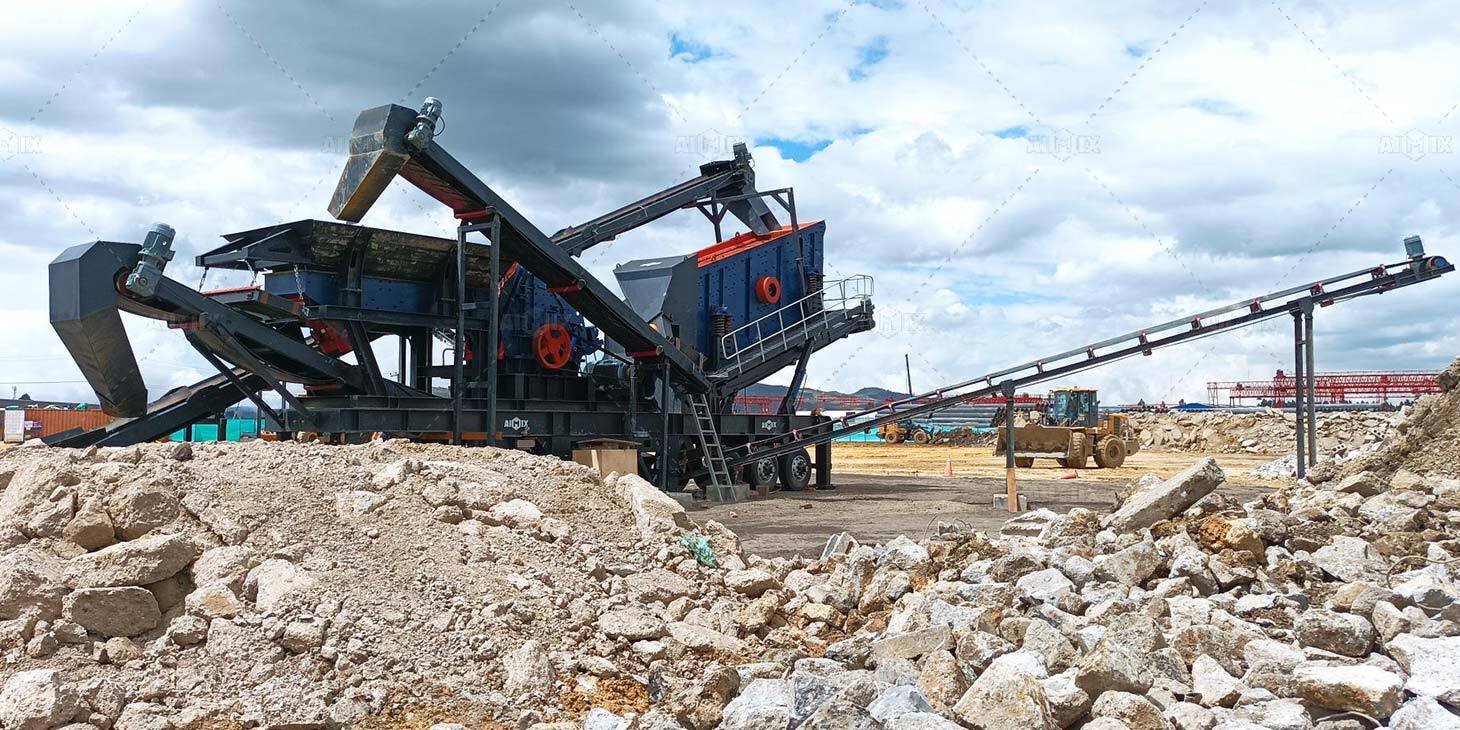
The objective of the crushing circuit in a cement plant is specific and multifaceted. It must transform blasted run-of-quarry limestone, which can consist of irregular pieces measuring over a meter in diameter, into a finely ground, homogeneous raw meal. However, this transformation occurs in two distinct phases. The initial phase is crushing, which is a dry process focused on size reduction to a manageable granular state. This typically involves a primary crusher, such as a jaw or gyratory crusher, that performs coarse reduction. The material is then further reduced in a secondary crusher, often a hammer crusher or impact rock crusher machine, to produce a product generally smaller than 75mm.
This crushed material, now of a consistent and relatively fine size, is then stored and blended to achieve chemical homogenization before entering the final grinding stage in a raw mill. The importance of effective crushing at this stage cannot be overstated. A consistent and optimally sized feed to the raw mill is essential for grinding efficiency. If the crushed limestone contains excessive oversized particles, it will overburden the grinding mill, increasing power consumption and reducing throughput. Conversely, if the crushing circuit produces an excessive amount of fine material, it can lead to packing and handling issues. The crushing process, therefore, must be calibrated to produce a particle size distribution that maximizes the efficiency of the subsequent grinding and pyroprocessing stages.
A Determinant of Efficiency and Product Quality
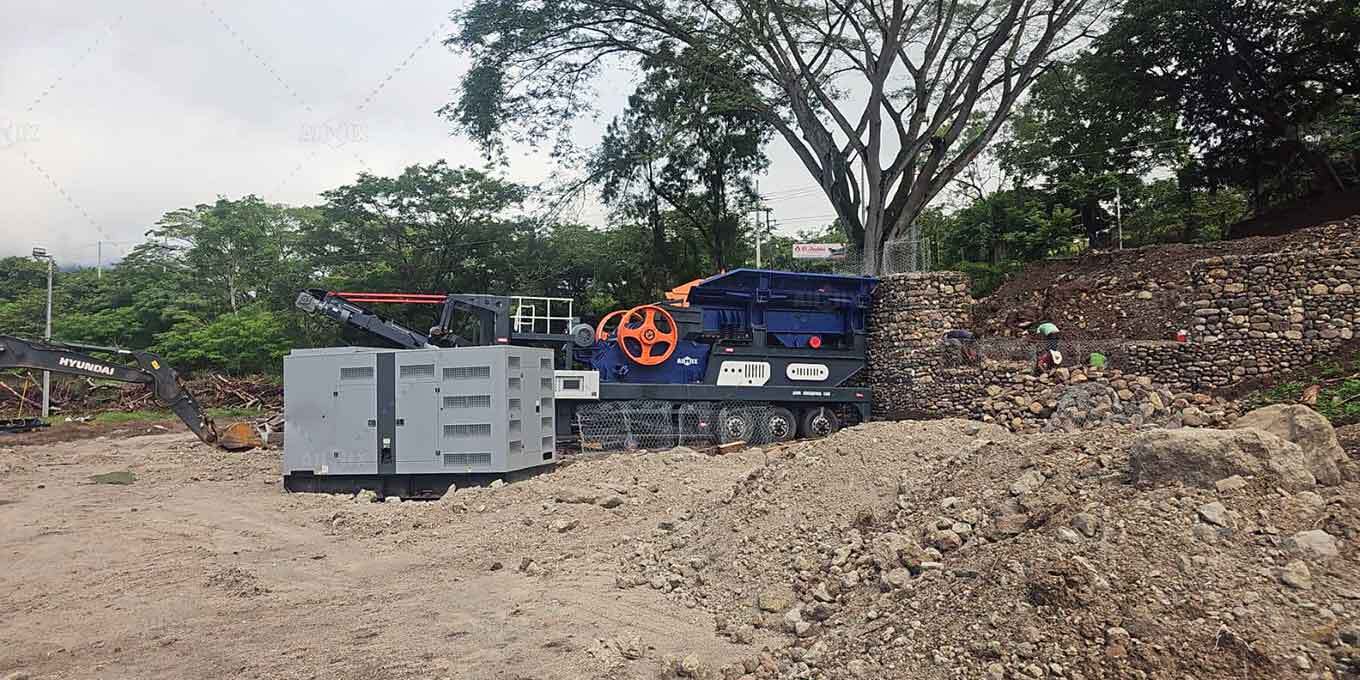
The influence of proper limestone crushing reverberates through the entire cement manufacturing process, most notably in the kiln. The kiln is a massive rotary furnace where the raw meal is heated to approximately 1450°C to form clinker. The rate and completeness of the calcination reaction—where CaCO3 decomposes into CaO and CO2—are highly dependent on the particle size and surface area of the feed material. A finely and consistently crushed limestone through an aggregate crusher machine, when ground into raw meal, presents a greater surface area for heat transfer. This allows for more rapid and uniform calcination, lowering the specific heat consumption of the kiln and increasing its production capacity.
Furthermore, the chemical homogeneity of the raw meal, which begins with the blending of consistently crushed raw materials, is critical for the formation of the correct clinker minerals (alite, belite, aluminate, and ferrite) in the kiln. Inconsistent or poorly sized feed can lead to uneven heating, incomplete reactions, and the formation of undesirable phases, all of which compromise clinker quality. This clinker is then ground with gypsum to produce cement. Any fundamental flaw introduced at the crushing and raw mix stage will be locked into the clinker and will manifest in the final cement as reduced strength development, poor workability, or compromised durability. Consequently, limestone crushing is not an isolated preparatory step but a foundational process parameter. It sets the trajectory for thermal efficiency, product consistency, and the ultimate performance of the cement, making it a primary focus for process optimization in any modern cement plant.