The mining sector is undergoing a necessary and profound transformation, driven by the global imperative to reduce its environmental impact. Limestone quarrying, a vital industry for construction, agriculture, and manufacturing, is at the forefront of this shift. While the end product is essential, the traditional methods of extraction and size reduction have carried a significant carbon burden. A key area of innovation lies not in the extraction itself, but in the subsequent processing: modern limestone crushing machine is being re-engineered as agents of efficiency. These technological advancements are systematically reducing the carbon footprint of limestone production through smarter mechanical design, cleaner power sources, integrated site logistics, and by enabling new pathways for material use. Understanding these mechanisms is crucial for any operation committed to sustainable practice.
Efficiency by Design: Engineered to Consume Less
The first line of defense against a high carbon footprint is simply to use less energy to accomplish the same task. Modern limestone crushers are designed with this principle at their core. This begins with selecting the right type of crusher for the application. For instance, impact crushers and cone crushers can be more energy-efficient for certain secondary and tertiary reduction stages compared to older technologies, as they utilize more direct transfer of energy to the rock. Furthermore, advanced computer modeling optimizes the crushing chamber's geometry, ensuring maximum reduction per unit of energy input, a concept known as improving the specific energy consumption.
Beyond the chamber, intelligent automation plays a pivotal role. Sensor-based systems now monitor the crusher's load, feed rate, and power draw in real time. These systems automatically adjust the machinery to operate at its peak efficiency, preventing energy waste from running under-loaded or from wasteful, damaging overloads. Variable frequency drives (VFDs) on motors allow the crusher to draw only the power needed for the instantaneous task, rather than running at a constant, high speed regardless of the material flow. This meticulous control turns the crushing process from a blunt operation into a precise, energy-conscious one.
The Electric and Hybrid Transition: Decarbonizing the Power Source
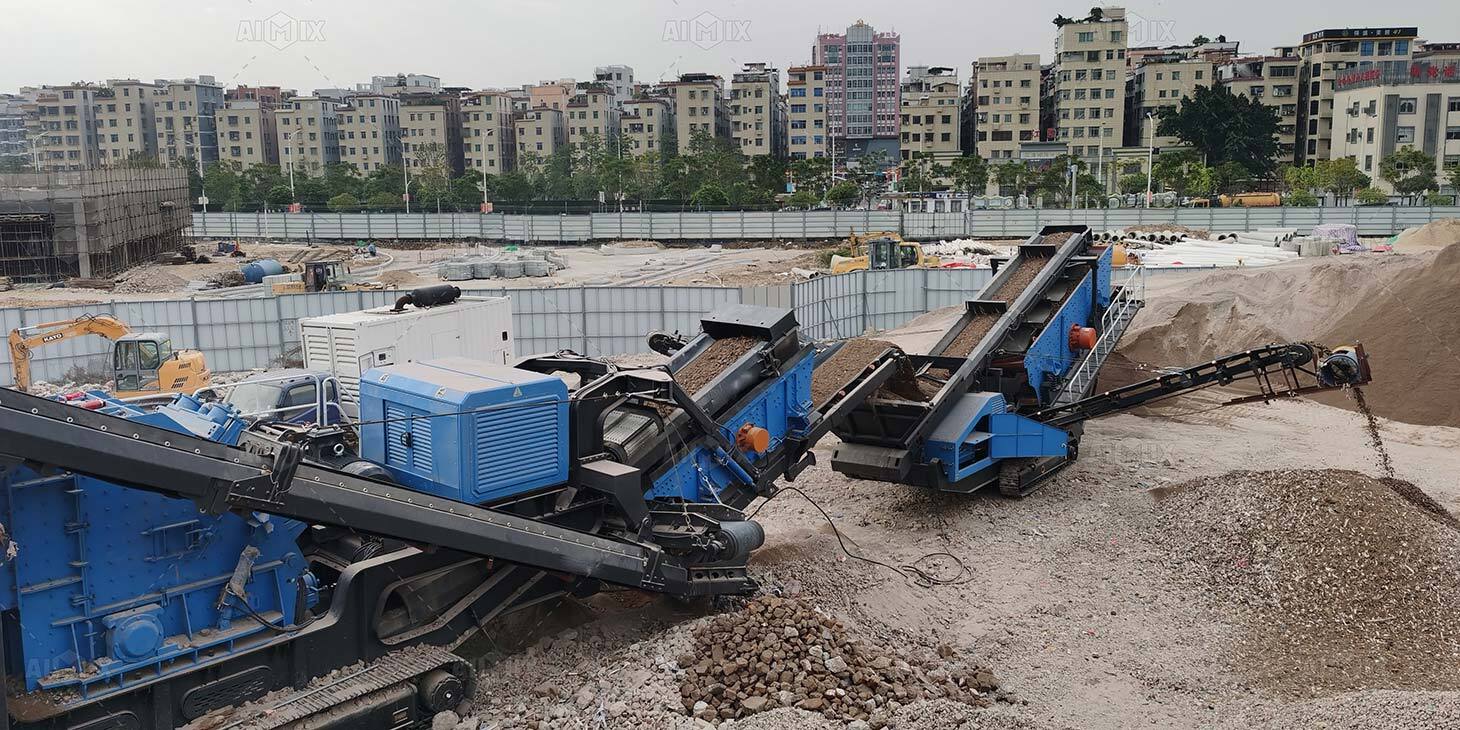
The most direct way to cut emissions is to eliminate them at the source. This is driving the rapid adoption of electric and hybrid power systems for crushing equipment. For operations with access to reliable grid power—especially from renewable sources—fully electric stationary and semi-mobile crushers are a game-changer. They produce zero direct emissions at the point of use, dramatically improving local air quality and completely decoupling processing energy from fossil fuels.
For mobile crushers that require greater independence, hybrid diesel-electric systems offer a substantial intermediate improvement. In these setups, a smaller, highly efficient diesel generator runs at a constant optimal speed to produce electricity. This electricity then powers electric motors on the tracks and the crusher itself. This design is significantly more fuel-efficient than a traditional direct-drive diesel engine, which must constantly vary its speed and operate inefficiently at many power settings. Each liter of diesel saved translates directly into kilograms of CO2 not released into the atmosphere.
Holistic Site Integration: Minimizing the Logistics Footprint
A crushing machine does not operate in isolation; its environmental impact is tied to the entire material handling system. The most significant advancement here is the adoption of In-Pit Crushing and Conveying (IPCC) systems. Instead of using large, diesel-powered haul trucks to move raw limestone from the quarry face to a distant fixed processing plant, a mobile primary crusher is placed directly in the pit. It crushes the material, which is then transported by energy-efficient conveyor belts. This single change can eliminate dozens of truck journeys per day, cutting diesel consumption, tire wear, and road maintenance dust by over 80% for the haulage portion of operations.
Additionally, modern plants integrate closed-loop systems for dust and water management. Highly efficient baghouse filters and misting systems capture particulate matter, protecting local ecosystems and worker health. Water used for dust suppression and processing is collected, settled, and recycled repeatedly within the plant, minimizing freshwater withdrawal and preventing contaminated runoff. This systemic approach ensures that efficiency gains at the crusher are not undone by wasteful practices elsewhere on site.
Enabling a Circular Material Economy
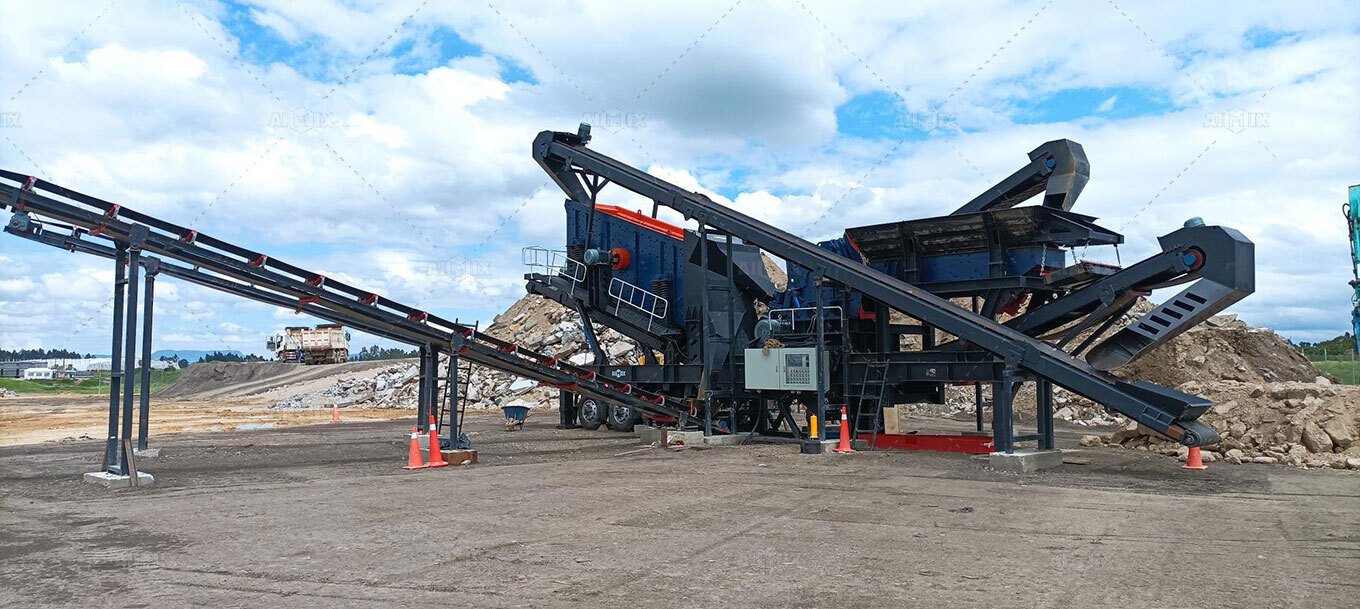
Finally, advanced crushing technology is pivotal in creating a circular economy for limestone. Precision crushing and screening allow operators to produce a wider range of specification-grade aggregates from what was once considered quarry waste or low-value material. This maximizes resource yield from each ton of extracted rock, reducing the need to open new quarry faces and the associated carbon cost of virgin extraction.
Perhaps more profoundly, the process of crushing increases the surface area of limestone exponentially. This is key to emerging carbon capture, utilization, and storage (CCUS) technologies. Crushed limestone fines, or even certain aggregate products, can be used in processes where they naturally react with and permanently bind atmospheric CO2, a process known as mineralization. By producing consistent, high-surface-area material, modern aggregate crusher machines are not just making aggregate; they are creating the reactive feedstock for technologies that can turn the limestone industry into a net carbon sink. In this light, the crushing machine evolves from a simple tool of extraction to a foundational instrument for environmental remediation and sustainable industrial progress.