The evolution of crushing plants has been nothing short of spectacular. Today’s 200TPH crusher plants are no longer just brute machines pulverizing rock—they’re becoming intelligent ecosystems, blending machinery with cutting-edge smart technology. But this sophistication doesn’t come cheap. Adding smart technology to a crushing plant can inflate the crusher plant price tag by about 20%. So, is the investment worth it? When do these advanced systems truly pay off, and how do they transform crushing operations beyond simple crushing?
In this article, we’ll dissect the cost implications of smart technology integration in crusher plants, explore the tangible benefits, and pinpoint the scenarios where this investment really makes sense. Spoiler: it’s not just about fancy gadgets; it’s about transforming your plant into a lean, efficient powerhouse that maximizes uptime and profitability.
Understanding the Price Bump: What Does Smart Technology Add?
Advanced Automation and Control Systems
The heart of smart technology in crusher plants lies in advanced automation. These systems allow real-time monitoring and dynamic adjustments of plant parameters like feed rate, crusher settings, and conveyor speeds. This eliminates manual guesswork, optimizes crushing performance, and reduces wear and tear on components. The cost here is reflected in sophisticated PLCs (Programmable Logic Controllers), sensors, and HMI (Human-Machine Interface) panels, which are far pricier than traditional controls.
Data Analytics and Predictive Maintenance
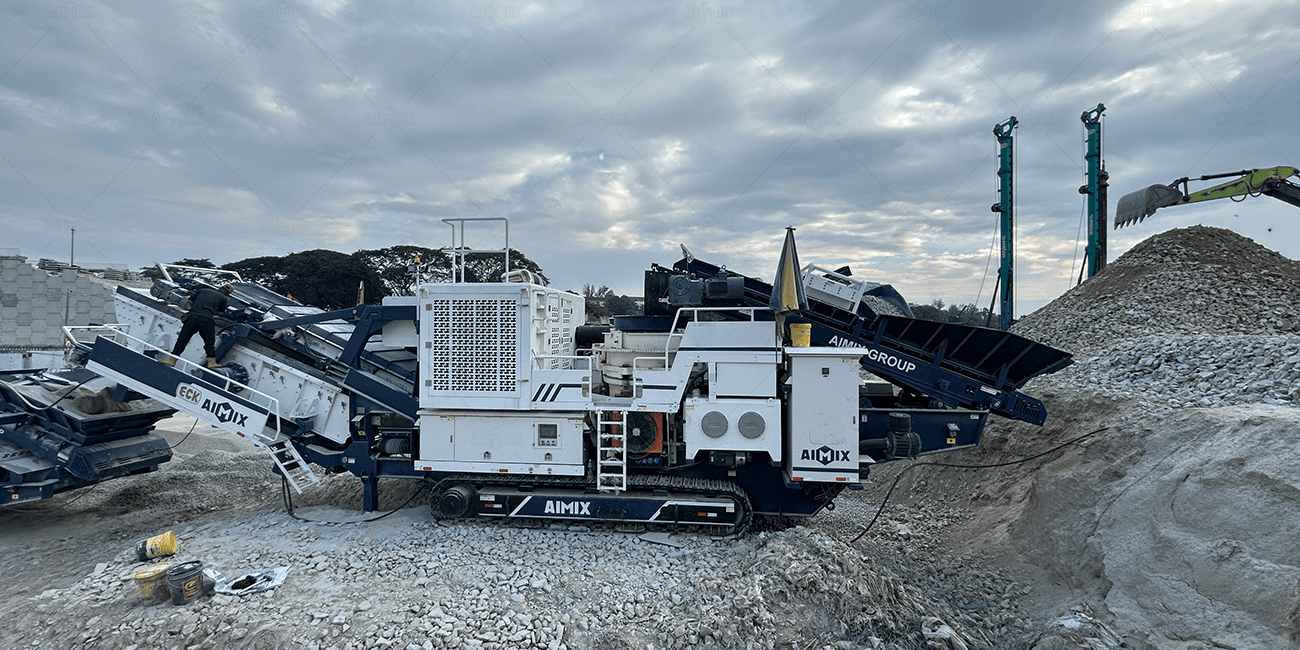
Gone are the days of reactive maintenance. Smart stone crushing plant harness data analytics powered by IoT (Internet of Things) sensors that track vibration, temperature, and throughput. Predictive maintenance algorithms forecast equipment failures before they happen, saving costly downtime. The added price comes from installing these sensors, integrating cloud platforms, and implementing software capable of making sense of vast streams of data.
Remote Monitoring and Operational Flexibility
With smart tech, plant managers can monitor and even control operations remotely. This capability is invaluable for plants in remote or hazardous locations. The cost premium includes communication modules and secure cloud access, enabling operators to tweak settings or respond to alerts without being physically present—adding a layer of operational resilience and safety.
When Does the Extra 20% Investment Pay Off?
High-Volume Operations with Tight Margins
For plants crushing vast quantities daily, small efficiency gains translate into big savings. Smart tech’s optimization can boost throughput and reduce energy consumption, quickly offsetting the initial price hike. Margins in mining or large-scale aggregates production are razor-thin, so cutting downtime by even a few hours each month can be a game-changer.
Remote or Harsh Environment Installations
When plants operate in isolated or extreme environments, the cost of onsite personnel or emergency repairs skyrockets. Remote monitoring and predictive maintenance become more than conveniences—they’re necessities. The ability to foresee problems and intervene remotely can prevent catastrophic failures, saving significant repair and logistics expenses.
Long-Term Projects and Sustainable Operations
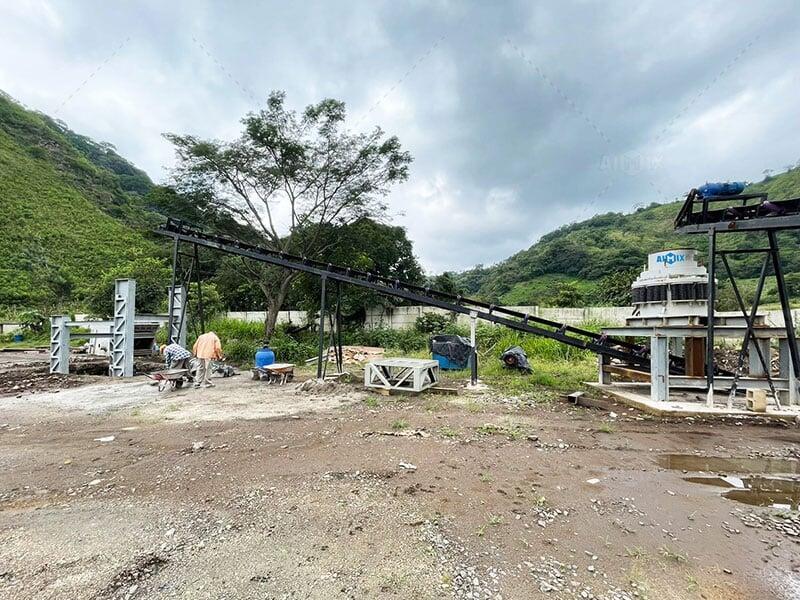
Investing in smart technology makes most sense for projects with a long operational lifespan. The upfront 20% cost increase amortizes over years of lower maintenance, improved safety, and better resource management. Additionally, companies committed to sustainability find smart tech helps reduce waste and energy consumption, aligning financial and environmental goals.
The Hidden Value: Beyond the Price Tag
Enhanced Safety and Workforce Efficiency
Smart crusher plants don’t just crunch rock—they protect people. Automated alerts and remote shutdowns prevent accidents, and operators spend less time in hazardous zones. The less tangible but critical return is the reduction of safety incidents, insurance costs, and downtime caused by accidents.
Data-Driven Decision Making
Real-time data empowers managers to make informed operational choices. Instead of relying on intuition, decisions are guided by hard evidence—leading to smarter scheduling, better inventory management, and optimized workflows. This strategic edge, although intangible, compounds profitability over time.
Future-Proofing Your Investment
Integrating smart technology today sets the stage for tomorrow’s innovations. As AI, machine learning, and 5G connectivity evolve, your plant’s modular smart systems can be upgraded, protecting against obsolescence. The 20% extra spent now is an investment in agility and long-term relevance.
In conclusion, while the initial cost of embedding smart technology into your 200 TPH crusher plant can feel like a steep premium, the multifaceted benefits—ranging from operational efficiency to safety and future-proofing—can far outweigh the price tag. The key lies in matching the technology investment to your operational scale, environment, and long-term objectives. When done right, smart technology isn’t just an expense—it’s a catalyst for superior crushing performance and sustained profitability.