Purchasing a concrete batching plant is often considered the biggest investment when launching a commercial concrete business in Malaysia. While the equipment itself represents a significant portion of the startup budget, it is only one piece of a much larger financial picture. Many new investors compare batching plant price from different suppliers but underestimate the operational expenses that begin long before the first cubic meter of concrete is delivered. As a result, projects that appear profitable on paper may experience unexpected cash flow pressure during their first year of operation.
Malaysia's growing demand for residential developments, industrial facilities, highways, and infrastructure continues to create opportunities for ready-mix concrete suppliers. However, success depends not only on purchasing reliable equipment but also on understanding the total cost of establishing and operating a commercial batching business. A comprehensive investment analysis should include site preparation, logistics, raw material management, regulatory compliance, labor, and long-term maintenance. Looking beyond the purchase price helps investors build a more resilient and profitable business from the very beginning.
The Batching Plant Is Only the Beginning of the Investment
Site Preparation and Infrastructure Require Significant Capital
Before a batching plant can begin production, the construction site itself must be properly prepared. Land acquisition or leasing is only the first expense. The site may require leveling, drainage systems, reinforced foundations, internal roads, truck parking areas, and storage zones for aggregates and cement.
Malaysia's tropical climate adds another consideration. Frequent rainfall makes effective drainage essential to prevent flooding, protect raw materials, and maintain continuous plant operation. Poor site planning can increase maintenance requirements and reduce production efficiency throughout the plant's operating life.
Utility connections also contribute to startup costs. Electrical supply, water systems, office facilities, weighbridges, security installations, and laboratory equipment should all be included in the initial investment budget instead of being treated as secondary expenses.
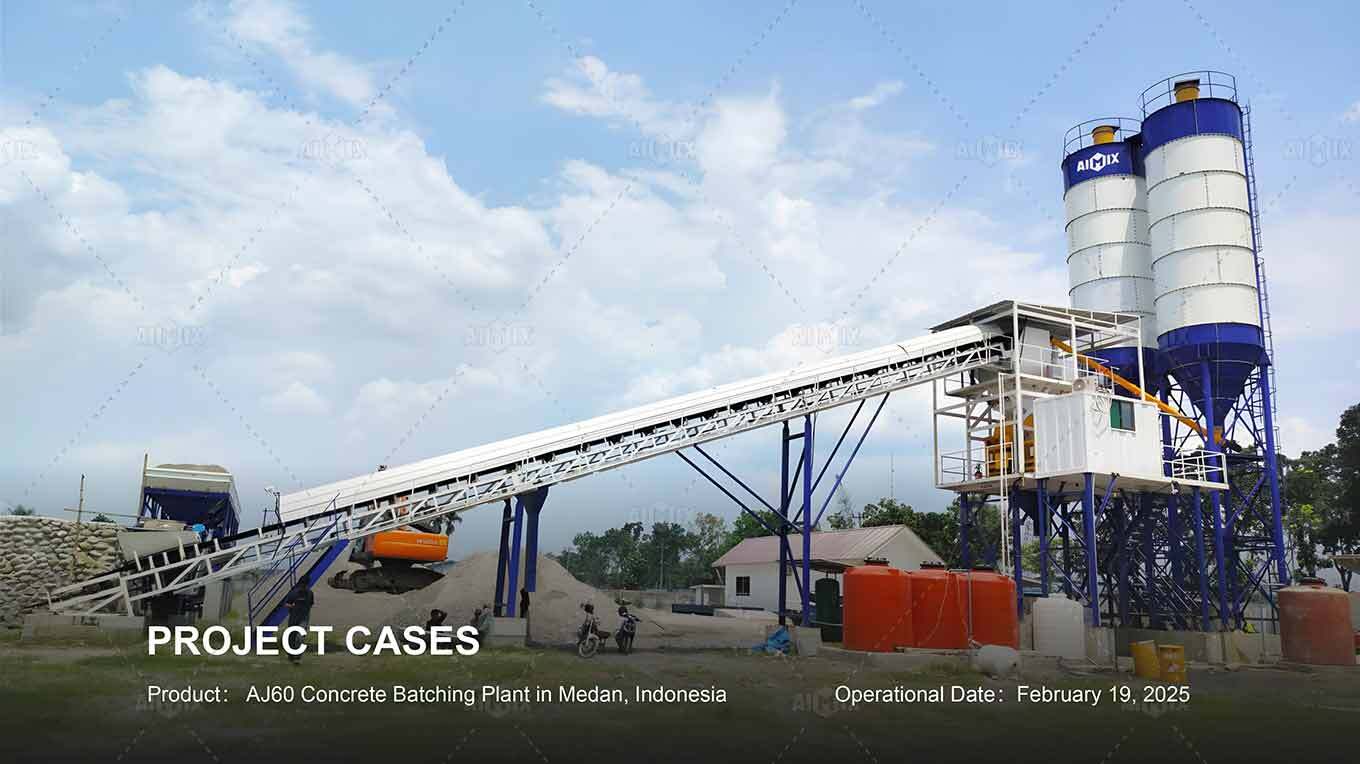
Transportation Equipment Is Just as Important as Production Equipment
A batching plant produces concrete, but concrete only becomes revenue after it reaches the customer. This makes transportation equipment an essential part of the business model rather than an optional addition.
Transit mixer trucks represent one of the largest supplementary investments. Depending on delivery distances and production capacity, several mixer trucks may be required to maintain continuous operation. For projects involving high-rise buildings or infrastructure construction, concrete pumps may also be necessary to complete deliveries efficiently.
Without sufficient transportation capacity, even a high-output ready mix batching plant can experience production delays because fresh concrete cannot remain in the mixer indefinitely.
Operating Expenses Continue Long After Installation
Raw Material Supply and Inventory Management Affect Profitability
The profitability of a commercial concrete business depends heavily on stable raw material procurement. Cement, aggregates, sand, admixtures, and water must be consistently available while maintaining strict quality standards.
Price fluctuations in cement and fuel can significantly influence production costs. At the same time, maintaining excessive inventory increases storage expenses and ties up working capital. Insufficient inventory, however, may interrupt production and damage customer relationships.
An effective inventory strategy balances supply security with cash flow management, allowing the business to respond to changing market demand without unnecessary financial pressure.
Labor, Training, and Equipment Maintenance Cannot Be Overlooked
Operating a batching plant requires more than machine operators. Plant managers, quality control technicians, dispatch coordinators, maintenance personnel, laboratory staff, and drivers all contribute to daily operations.
Training is equally important. Proper batching procedures, equipment operation, quality testing, and safety practices directly influence product consistency and customer satisfaction. Investing in workforce development often reduces costly production errors and equipment downtime.
Routine maintenance should also be planned from the beginning. Mixer blades, conveyor belts, filters, wear liners, bearings, and weighing systems require periodic inspection and replacement. Preventive maintenance generally costs far less than emergency repairs that interrupt concrete production during peak demand.
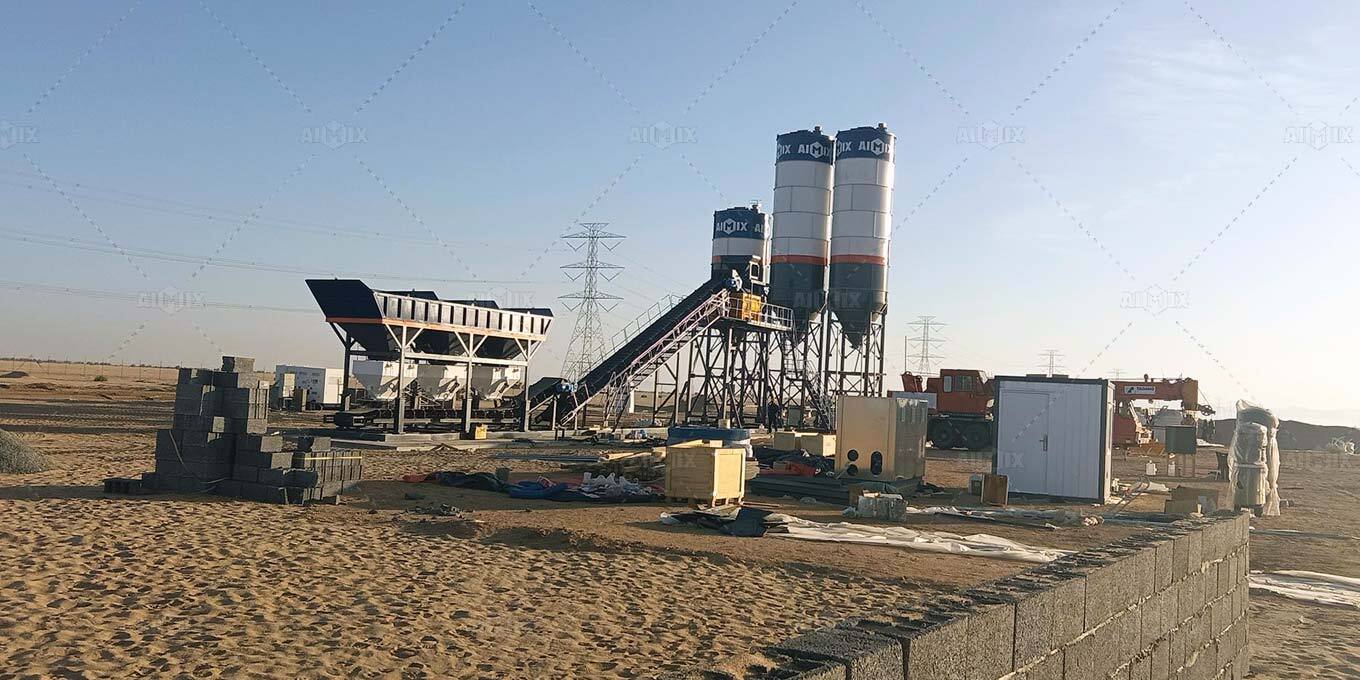
Evaluate Total Business Costs Instead of Equipment Price Alone
Regulatory Compliance and Environmental Requirements Add to Startup Costs
Commercial concrete production must comply with local regulations covering environmental protection, workplace safety, and industrial operations. Depending on project location and production scale, businesses may need permits, environmental assessments, dust suppression systems, wastewater treatment facilities, and noise control measures.
Although these requirements increase the initial investment, they reduce regulatory risks and support sustainable long-term operation. Planning for compliance early is generally more economical than implementing corrective measures after production begins.
Cash Flow Planning Is Essential During the Early Stages
Many new concrete businesses underestimate the importance of working capital. Customer payment cycles may extend several weeks after concrete delivery, while expenses such as employee salaries, fuel, electricity, and raw material purchases require immediate payment.
Maintaining adequate operating capital helps businesses continue production without financial disruption during periods of delayed receivables or seasonal demand fluctuations. Strong cash flow management is often as important as selecting the right batching equipment.
A Successful Concrete Business Is Built on Comprehensive Investment Planning
A batching plant in Malaysia represents the visible center of a commercial concrete business, but it is only one component of a much broader investment strategy. Site development, transportation equipment, utilities, workforce training, raw material procurement, regulatory compliance, maintenance, and working capital all contribute to the total cost of ownership.
For investors entering Malaysia's growing construction market, evaluating these hidden costs before purchasing equipment provides a more realistic understanding of project feasibility. A carefully planned investment not only reduces unexpected expenses but also establishes a stronger foundation for long-term profitability, stable operations, and sustainable business growth.