For contractors in Ghana, buying a self loading concrete mixer is not simply a question of comparing machine prices. The more important question is whether the equipment can remain productive enough to generate revenue after the initial investment. A self loading mixer combines material loading, weighing, mixing, transportation, and concrete discharge in one mobile unit, allowing contractors to produce concrete at the point of use rather than relying entirely on external ready-mix suppliers. This versatility gives the machine potential beyond a single construction project. When used across multiple contracts, it can become a revenue-generating asset rather than equipment that sits idle between jobs. The economics, however, depend on utilization. A machine with a favorable self loading concrete mixer price in Ghana may still produce poor returns if it is used only occasionally. Conversely, equipment that is deployed regularly across foundations, roads, housing, drainage, and other concrete works can gradually offset its acquisition and operating costs. The investment should therefore be evaluated through project demand, utilization, operating expenses, and potential contracting income rather than purchase price alone. Article Outline * What determines the real investment value of a self loading mixer in Ghana * How contracting work can turn the machine into a revenue-generating asset * How Ghanaian contractors can evaluate the investment before buying
What Determines the Real Investment Value of a Self Loading Mixer in Ghana?
Purchase Price Is Only the Starting Point
The advertised self loading mixer price in Ghana provides only the first figure in the investment equation. Contractors also need to account for transportation, commissioning, fuel, maintenance, spare parts, operator costs, insurance, and potential financing expenses. A machine with a lower purchase price may not necessarily have the lowest long-term cost. Frequent downtime, difficult access to spare parts, or high fuel consumption can gradually erode the initial saving. The more useful metric is total cost of ownership. A contractor should ask how much the machine costs to operate per working hour or per cubic meter of concrete, then compare that figure with the revenue generated from each project.
Utilization Determines Whether the Machine Pays for Itself
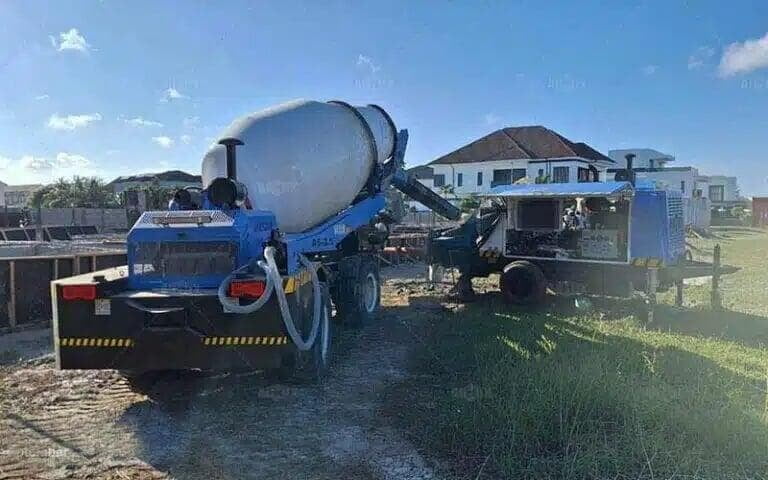
Construction equipment earns its keep when it works. A self loading mixer used several days each week has a fundamentally different economic profile from one used only a few times per month. Ghanaian contractors can improve utilization by targeting projects with recurring concrete requirements. Housing developments, foundations, road construction, drainage works, commercial buildings, and infrastructure projects may provide multiple opportunities to deploy the same machine. The objective is to keep the equipment moving between contracts rather than allowing it to become a dormant capital asset.
Project Diversity Can Improve Equipment Utilization
One advantage of a self loading mixer is its versatility. It can operate independently at locations where a conventional batching plant may be impractical. That allows contractors to pursue a wider range of projects. Small and medium construction jobs that might not justify a complete concrete production setup can become commercially viable when the contractor already owns a mobile concrete production unit.
How Contracting Work Can Turn the Machine Into a Revenue-Generating Asset
Use the Machine on the Contractor's Own Projects
The most direct revenue benefit comes from reducing the cost of concrete production and placement on projects managed by the owner. Instead of repeatedly paying external suppliers or renting equipment, the contractor can use the self loader concrete mixer to produce and deliver concrete on site. The machine can also reduce dependence on separate loaders, batching equipment, and transportation arrangements because several functions are integrated into one unit. These savings do not appear as direct sales revenue, but they can improve project margins. A higher margin is effectively another form of return generated by the asset.
Offer Concrete Mixing and Delivery as a Contracting Service
The more interesting opportunity comes when the machine is used for third-party work. A contractor who owns a self loading mixer can potentially provide mobile concrete production and delivery services to other builders, developers, and construction crews. Instead of selling only construction labor, the business can monetize the machine itself. For example, a contractor may charge for concrete production based on volume, working hours, delivery distance, or a combined project rate. This transforms the equipment from an internal production tool into a service-generating asset.
Target Projects Where Mobility Creates a Clear Advantage
The strongest market may not be large centralized construction sites. Smaller or remote projects can offer a better fit because they may face difficulties obtaining conventional ready-mix concrete. A mobile machine can produce concrete close to the construction point, reducing the logistical burden associated with long-distance delivery. This creates a distinct selling proposition: concrete production where and when the customer needs it.
Build Recurring Business Rather Than Relying on One Contract
One project can help recover part of an equipment investment, but recurring utilization is what strengthens the business case. Contractors can develop relationships with small builders, housing contractors, property developers, and infrastructure subcontractors that require concrete regularly. The machine can then serve multiple customers during different periods. This spreads equipment costs across a broader revenue base and reduces dependence on one major project.
How Ghanaian Contractors Can Evaluate the Investment Before Buying
Estimate Monthly Utilization and Revenue Potential
Before considering the self loading mixer price in Ghana, contractors should estimate how many hours or cubic meters the machine could realistically work each month. A simple framework is: Monthly equipment revenue = billable operating hours × service rate or, when charging by concrete volume: Monthly equipment revenue = billable concrete volume × service rate per cubic meter Operating expenses must then be deducted to determine the actual contribution toward investment recovery. The calculation should be conservative. Assuming full utilization from the beginning can create an overly optimistic payback projection.
Compare Ownership With Renting
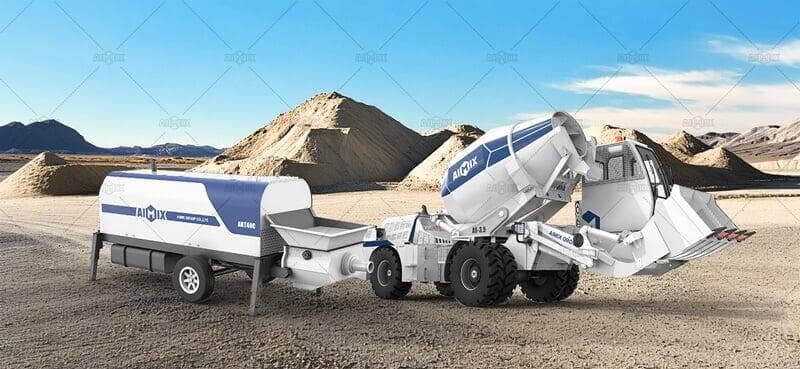
If concrete pumping or mixing requirements are occasional, rental may remain the better option. But when the contractor expects frequent projects, repeated rental payments can eventually exceed the cost of owning equipment. Ownership also provides greater control over scheduling. Contractors do not need to depend entirely on equipment availability from external suppliers when a project requires urgent concrete production.
Consider Reliability and After-Sales Support
The cheapest self loading mixer price in Ghana is not necessarily the best commercial choice. Downtime can be particularly damaging when the machine itself is being used to generate contracting revenue. Reliable components, accessible spare parts, technical support, and straightforward maintenance can have a direct effect on profitability. A machine that remains operational and productive has greater economic value than one that appears inexpensive but frequently interrupts project schedules. Ultimately, a self loading mini concrete mixer for sale can become a revenue-generating asset when it is treated as a productive business tool rather than simply a piece of construction equipment. The self loading mixer price in Ghana should be evaluated against expected utilization, operating costs, project margins, and potential third-party contracting income. For contractors with a consistent pipeline of concrete work, the machine can generate value in several ways: reducing concrete production costs on their own projects, accelerating site operations, and creating an additional service that can be sold to other contractors. The strongest investment case emerges when the equipment remains productive across multiple projects throughout the year. In that situation, the machine is no longer merely an expense—it becomes part of the contractor's revenue-generating infrastructure.