Operating multiple construction projects across Klang Valley requires careful coordination of concrete production and delivery. Contractors may simultaneously serve high-rise developments in Kuala Lumpur, commercial projects in Petaling Jaya, residential construction in Shah Alam, and infrastructure works around Klang or Kajang. Each location has different concrete demand, delivery distances, traffic conditions, and construction schedules. Relying on a single production facility may create logistical bottlenecks, particularly when several projects require continuous concrete supply during the same working hours. Selecting suitable ready mix plant locations is therefore a strategic decision rather than simply a matter of finding available industrial land. Contractors and ready-mix suppliers need to evaluate delivery coverage, production capacity, truck circulation, land availability, raw material supply, and local operating requirements. A well-planned plant network can shorten transportation cycles, improve truck utilization, and maintain a more predictable concrete supply across multiple construction sites.
Map Construction Sites and Identify Concrete Demand
Assess Project Distribution Across Klang Valley
The first step is to identify where concrete demand is concentrated. Klang Valley has a diverse construction landscape, covering high-density urban developments, industrial estates, residential townships, commercial buildings, and infrastructure projects. For example, projects in Kuala Lumpur and Petaling Jaya may involve high-rise structures requiring frequent concrete deliveries, while developments in Shah Alam, Puchong, and Kajang may generate demand from several medium-sized construction sites. Contractors should plot active and upcoming projects on a geographic map to understand their distribution and identify areas with overlapping delivery requirements.
Calculate Daily and Peak Concrete Requirements
Total monthly demand alone is insufficient for determining plant locations. The more important consideration is how much concrete each project requires during its peak pouring periods. A residential development may consume moderate quantities throughout the week but require substantial volumes during raft foundation construction. Meanwhile, another project nearby may schedule slab casting on the same day. Contractors should prepare demand forecasts covering daily consumption, peak hourly requirements, project duration, and expected pouring schedules. This information provides the basis for determining how many plants are needed and where production capacity should be allocated.
Divide Klang Valley into Practical Delivery Zones
Evaluate Transportation Distance and Traffic Conditions
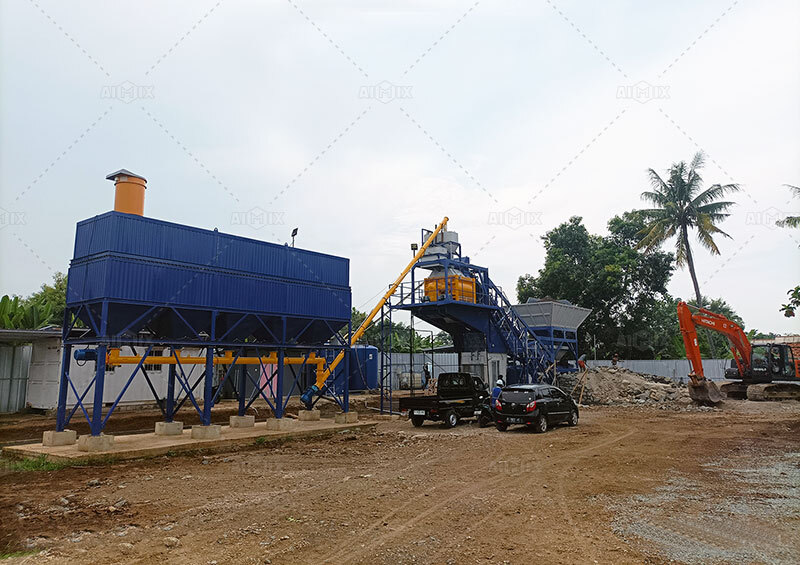
Concrete delivery time is strongly influenced by road conditions and traffic congestion. A plant located relatively close to a construction site may still experience lengthy transportation cycles if trucks must pass through congested urban corridors during peak hours. When evaluating a ready mix concrete plant in Malaysia, suppliers should examine major access routes, highway connections, industrial road conditions, and alternative delivery paths. Locations near suitable transport corridors can improve accessibility to multiple construction clusters. Potential delivery zones may include: - Kuala Lumpur and Petaling Jaya: High-density commercial and residential developments. - Shah Alam and Klang: Industrial facilities, residential projects, and infrastructure works. - Subang Jaya and Puchong: Commercial buildings and mixed-use developments. - Kajang and Bangi: Residential townships and expanding development areas. - Rawang and northern growth corridors: Industrial and residential construction. These are preliminary planning clusters rather than fixed boundaries. Actual coverage depends on travel time, concrete specifications, traffic conditions, and delivery commitments.
Establish Realistic Delivery Time Windows
Concrete delivery planning should account for the complete transportation cycle, including loading, travel, site waiting, discharge, and the return journey. Contractors should establish realistic delivery windows for each project rather than calculating distances using ordinary passenger-car travel times. During peak construction periods, staggered dispatch schedules can reduce truck queues and help maintain a more consistent supply.
Evaluate Land Availability and Plant Installation Conditions
Check Industrial Land and Site Accessibility
A suitable plant location needs sufficient space for production equipment, aggregate stockpiles, cement silos, truck circulation, maintenance, and office facilities. Industrial areas around Shah Alam, Klang, and other established industrial corridors may offer potential locations, subject to land availability, zoning, environmental requirements, and local authority approvals. A concrete batching plant in Malaysia must also have practical access for aggregate delivery trucks, cement tankers, and ready-mix transit mixers. Restricted entrances or inadequate internal circulation can undermine an otherwise strategically located facility.
Assess Utilities and Material Storage Requirements
Reliable electricity, water availability, drainage, and suitable ground conditions are important installation considerations. Contractors should also assess the space required for separate aggregate stockpiles, cement storage, admixture tanks, and wastewater management. Poor material storage arrangements can cause contamination, inconsistent aggregate moisture, and production interruptions. These issues directly affect concrete quality and operational reliability.
Determine the Appropriate Plant Capacity and Configuration
Match Production Capacity with Combined Project Demand
Plant capacity should be determined by the combined peak requirements of the construction sites within its delivery zone. Suppliers need to consider not only rated production output but also actual operating hours, batching cycles, maintenance intervals, and transit mixer availability. For example, if three nearby projects collectively require 90 m³ of concrete per hour during overlapping pours, the selected production arrangement must be capable of supporting that demand with an appropriate operating margin.
Choose Between Stationary and Relocatable Configurations
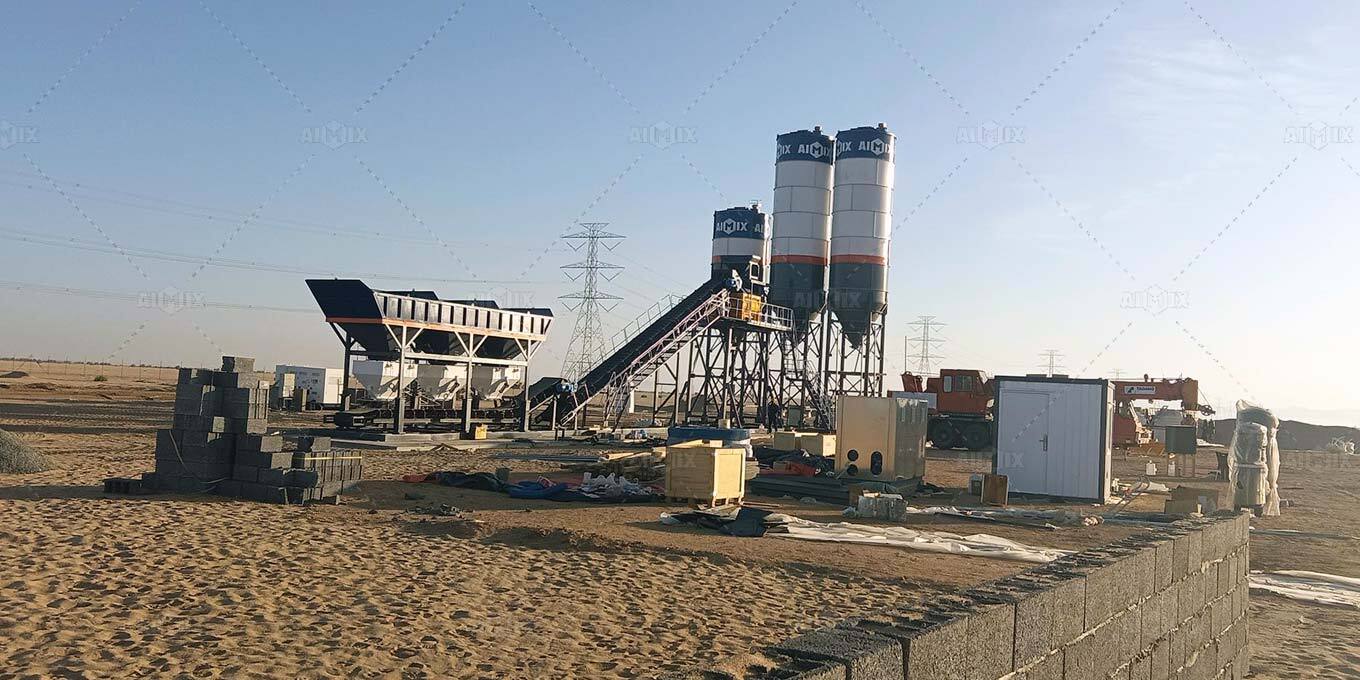
A stationary concrete batching plant in Malaysia may be suitable for a long-term production hub serving established construction clusters with relatively predictable demand. Its layout can accommodate larger aggregate storage facilities, cement silos, and supporting infrastructure. For contractors managing temporary developments or projects in emerging construction areas, a relocatable configuration may provide greater flexibility. The decision should consider expected project duration, relocation costs, installation requirements, and future demand distribution.
Compare Centralized and Decentralized Plant Networks
When One Central Production Facility Is Suitable
A centralized plant can simplify production management, raw material procurement, equipment maintenance, and quality control. It may work effectively when construction sites are concentrated within a manageable delivery radius and their pouring schedules do not overlap excessively. However, serving widely distributed projects from one facility can increase transportation time and create dispatching pressure during peak demand.
When Multiple Plants Provide Better Coverage
A decentralized network places production facilities closer to different construction clusters. For example, one facility may serve Kuala Lumpur and Petaling Jaya, while another covers Shah Alam and Klang. This arrangement can shorten delivery cycles and reduce dependence on a single production location. Nevertheless, additional facilities introduce land, equipment, staffing, maintenance, and operating expenses. Contractors should compare these costs against the expected savings in transportation and improved delivery reliability.
Control Operating Costs and Maintain Delivery Reliability
Coordinate Plant Output and Transit Mixer Allocation
The number of transit mixers must correspond with production output and the average delivery cycle. If trucks are insufficient, even a high-capacity plant may struggle to supply several projects simultaneously. Dispatching teams should monitor vehicle locations, loading schedules, site waiting times, and outstanding orders. Allocating trucks according to delivery zones also helps reduce unnecessary cross-area movements.
Prepare Backup Arrangements for Peak Demand
Construction schedules can change unexpectedly. Additional projects may begin, foundation pours may be rescheduled, or equipment maintenance may temporarily reduce production capacity. Suppliers should establish contingency arrangements, including alternative production facilities, standby trucks, spare components, and coordinated delivery agreements. Quality-control procedures must remain consistent when concrete production is transferred between plants.
Conclusion
Ready mix plant location planning in Klang Valley requires a comprehensive assessment of construction demand, transportation conditions, land availability, production capacity, and operating costs. A centralized facility may serve concentrated project clusters efficiently, while multiple strategically positioned plants can provide better coverage when demand is geographically dispersed. The most suitable arrangement depends on actual project locations, overlapping pouring schedules, delivery cycle times, and long-term construction forecasts. By combining geographic demand mapping with realistic production and logistics calculations, contractors and ready-mix suppliers can establish a more reliable concrete supply network across Klang Valley.