Limestone is one of the most important raw materials in cement production, but its journey from quarry material to cement ingredient requires much more than simple size reduction. Cement plants must carefully control limestone particle size at different processing stages because oversized rocks, inconsistent feed materials, or excessive fine particles can affect grinding efficiency, chemical balance, and final cement quality. This is why modern cement production relies on a combination of limestone crushing and grinding machines rather than a single processing unit.
From primary crushing to final powder preparation, each machine performs a specific role in creating the ideal limestone feedstock. Understanding how size control works helps cement producers improve energy efficiency, reduce equipment wear, and maintain a stable production process. The right crushing and grinding configuration transforms irregular quarry stones into a precisely engineered material suitable for clinker manufacturing.
Why Limestone Size Control Is Critical in Cement Production
The cement manufacturing process depends on accurate raw material preparation. Limestone contains calcium carbonate, which provides the primary source of calcium required for clinker formation. However, the chemical reaction inside a cement kiln requires consistent material composition and proper particle distribution.
Different Limestone Sizes Affect Raw Material Processing Efficiency
Freshly mined limestone usually contains large rocks with uneven dimensions. These materials cannot directly enter grinding systems because oversized pieces create excessive mechanical resistance and reduce production efficiency. Limestone crushers are therefore used to break large rocks into manageable sizes before further processing.
A suitable crushed limestone size improves material flow, increases grinding performance, and prevents unnecessary energy consumption. If the feed size is too large, grinding machines must work harder, resulting in higher power demand and faster component deterioration.
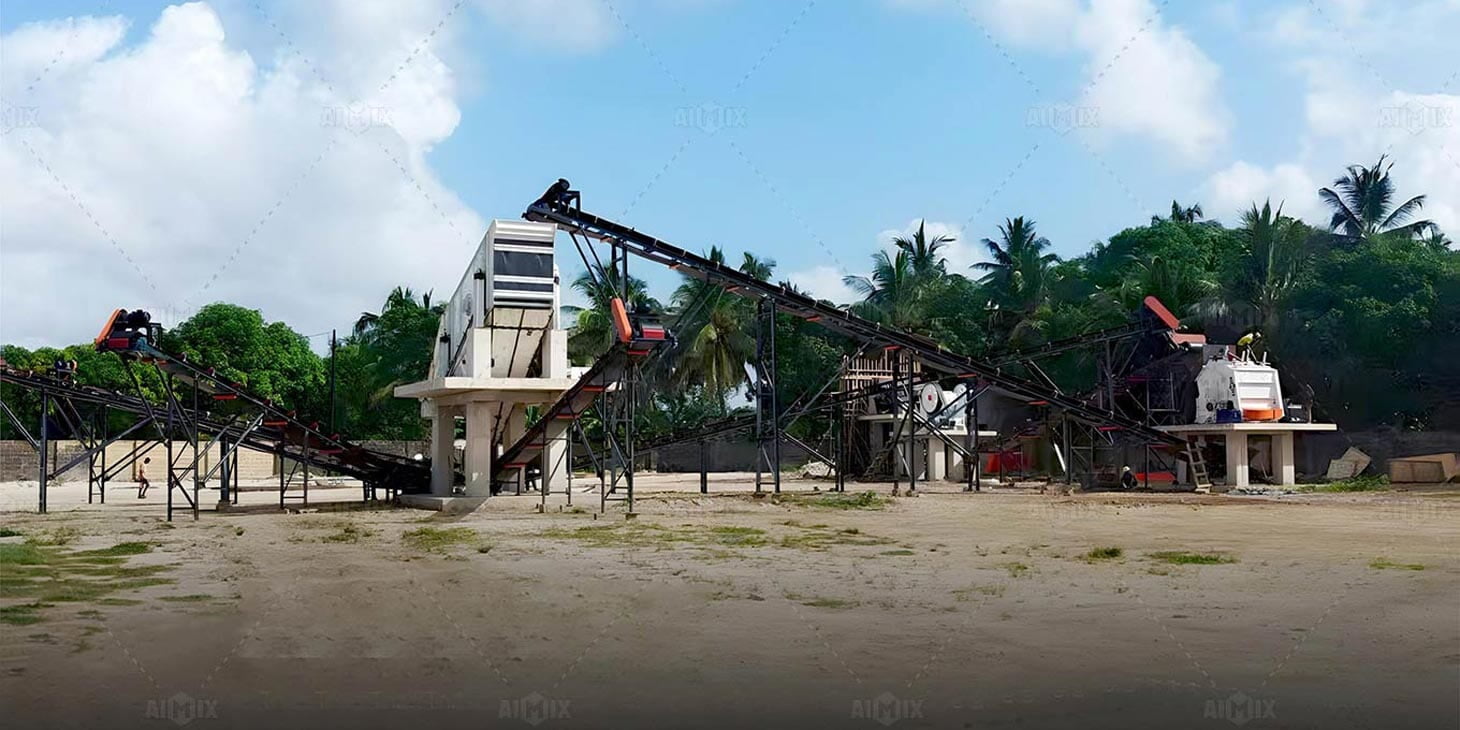
Particle Uniformity Influences Cement Quality
Size control is not only about reducing rock dimensions. It is also about achieving a balanced particle distribution. Limestone particles that are too coarse may not react completely during clinker formation, while excessive fine material can create handling difficulties and affect production stability.
By controlling limestone size throughout the production line, cement plants can achieve more consistent raw meal preparation. This improves kiln performance, enhances combustion efficiency, and supports stable cement quality.
How Limestone Crushing and Grinding Machines Control Material Size
Different stages of limestone processing require different types of equipment. Crushing machines focus on reducing large quarry stones, while grinding machines refine crushed limestone into fine powder. Together, they create a multi-stage size control system designed for modern cement production.
Limestone Crushers Handle Primary and Secondary Size Reduction
The first stage of limestone processing usually involves primary crushing. Equipment such as jaw crushers or impact crushers reduces large limestone blocks into smaller pieces suitable for secondary processing.
Primary crushers are designed for high reduction ratios and strong resistance against heavy feed materials. They handle the initial transformation from irregular quarry rock into controlled-size aggregates. Secondary crushers then continue refining the material, producing a more uniform feed for grinding equipment.
Choosing the Right Crusher Depends on Limestone Characteristics
Not all limestone deposits have the same hardness, moisture content, or abrasiveness. Softer limestone may be efficiently processed with impact crushing technology, while harder materials may require more robust crushing mechanisms.
Selecting the appropriate crusher according to material properties helps cement plants maintain stable production while reducing maintenance frequency. The objective is not simply smaller particles, but optimized particles that support the next processing stage.
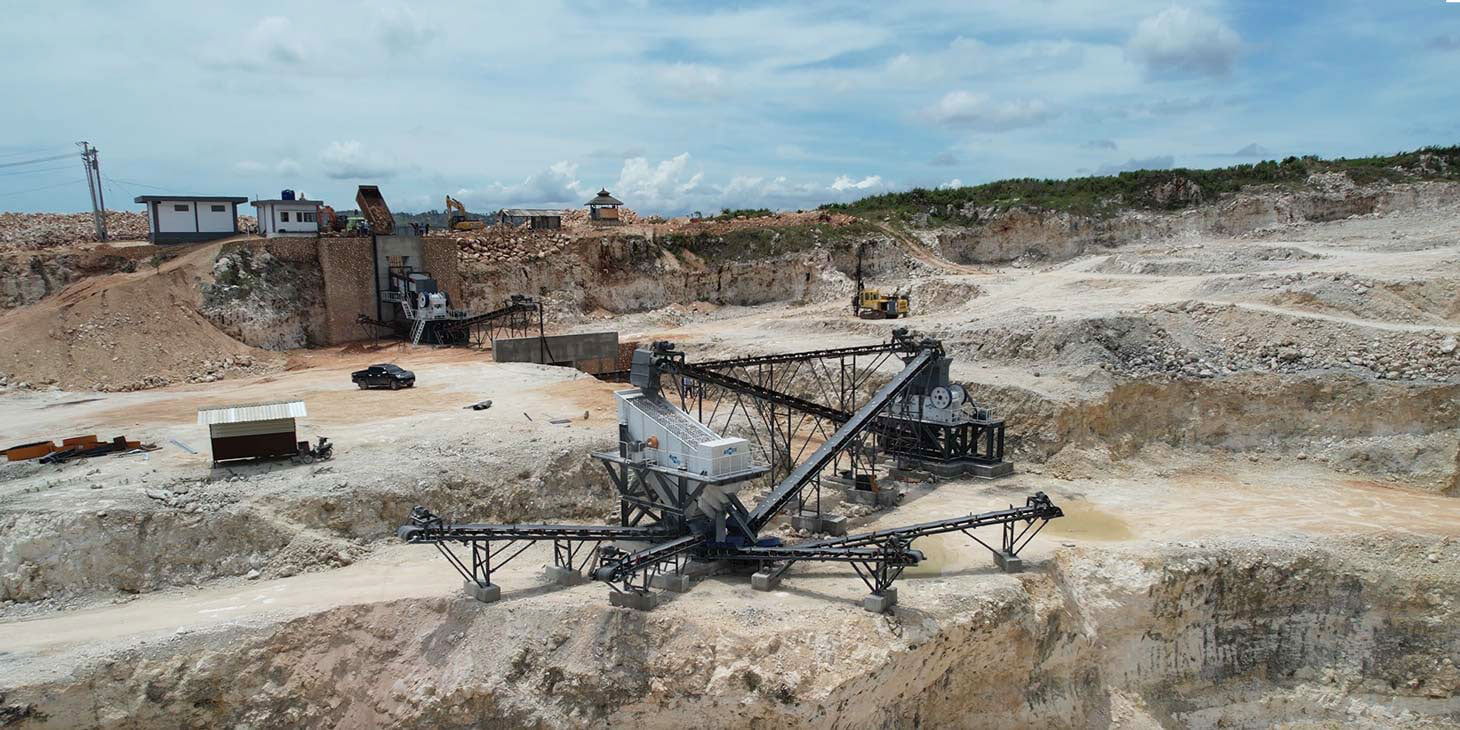
Limestone Grinding Machines Achieve Fine Powder Requirements
After crushing, limestone enters the grinding stage where it is processed into a fine powder. Grinding mills reduce the crushed material to the required fineness for cement raw meal preparation.
Grinding equipment must achieve precise control because limestone powder characteristics directly influence the mixing process with other raw materials. Machines such as vertical roller mills, ball mills, and Raymond mills are commonly selected according to production capacity and required fineness.
Fine Grinding Requires Energy Optimization
Grinding is one of the most energy-intensive steps in cement production. Producing excessively fine limestone consumes additional electricity without always providing proportional benefits. Therefore, cement plants need accurate control over grinding parameters to balance product quality and operating costs.
Building an Efficient Limestone Processing System for Cement Plants
An efficient limestone processing system is not based on a single powerful machine. Instead, it depends on the coordination between crushing, screening, conveying, and grinding equipment. Each stage contributes to maintaining the ideal material size required by cement production.
Screening Equipment Improves Size Control Accuracy
Screens are essential components in limestone processing lines because they separate qualified material from oversized particles. Instead of sending all crushed limestone directly into grinding equipment, screening creates a controlled feed stream.
This prevents unnecessary grinding of already suitable particles and improves overall energy utilization. The result is a more economical and stable production process.
Customized Equipment Selection Improves Cement Plant Performance
Every cement plant has different requirements based on production capacity, limestone properties, and final cement specifications. A small-scale plant may require a compact crushing and grinding solution, while a large industrial facility may need a complete high-capacity processing system.
Proper equipment matching ensures that limestone moves through each stage with minimal waste and maximum efficiency. Through precise size control, cement manufacturers can reduce operating costs, improve product consistency, and create a more reliable production workflow.
Limestone crushing and grinding machines are therefore not simply size reduction tools. They are the foundation of controlled raw material preparation. By managing limestone particle size from quarry extraction to final powder production, cement plants can achieve better efficiency, higher quality, and long-term operational stability.