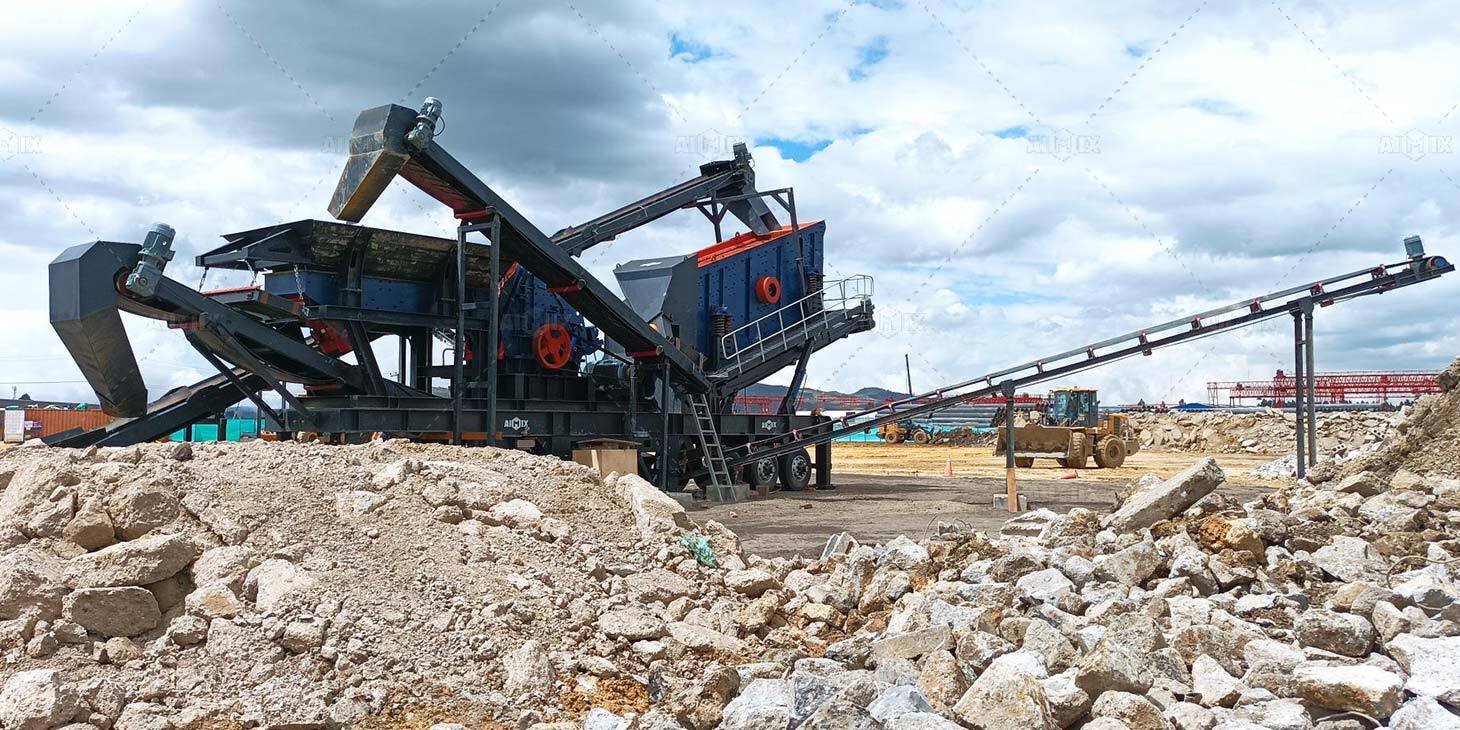
A mobile concrete crusher plant is a masterclass in deployed engineering, transforming demolition debris into valuable aggregate at the very locus of deconstruction. Its operational cadence is punishing, characterized by abrasive particulate, constant vibration, and relentless cyclical loading. This environment ensures that maintenance is not a peripheral administrative task; it is the fundamental determinant of concrete crusher machine longevity, product quality, and project profitability. Treating upkeep as an intermittent cost rather than a continuous operational philosophy is a catastrophic error. The difference between a high-availability asset and a costly, stationary failure lies in the disciplined execution of a comprehensive, strategic maintenance protocol. This approach transcends simple lubrication schedules, demanding a diagnostic mindset that anticipates wear and preempts systemic collapse.
The Foundational Imperative: Proactive Over Reactive Maintenance
The most significant economic drain on a mobile crushing operation is unplanned downtime. Reactive maintenance—the act of repairing components only after they have catastrophically failed—guarantees this outcome. It halts production at the most inopportune moment, often necessitates expedited parts shipping, and frequently causes secondary damage to adjacent systems. The authoritative strategy is a deliberate shift to a proactive paradigm, where maintenance activities are scheduled based on condition and predictive indicators, not catastrophic failure.
Adopting a Condition-Based Monitoring Regimen
Modern maintenance is a sensory exercise. It requires moving beyond fixed hourly intervals to a condition-based model. This involves the systematic use of diagnostic tools: infrared thermometers to identify overheating bearings long before they seize, ultrasonic detectors to pinpoint compressed air or hydraulic leaks invisible to the eye, and vibration analysis equipment to assess the health of rotating assemblies like crusher shafts and screen vibrators. A slight increase in amperage draw on a crusher motor can signal rising resistance from misaligned components or contaminated lubrication. These subtle data points form a pre-failure narrative, allowing for intervention during scheduled pauses, not amidst a critical production run.
The Critical Role of Daily Operator-Driven Inspections
The machine operator is the first and most crucial line of maintenance defense. A structured pre-start and post-shift inspection ritual is non-negotiable. This goes beyond checking fluid levels. It requires a trained eye to scan for stress fractures in structural weldments, assess the remaining wear profile on crusher liners and conveyor belts, verify screen cloth tension and integrity, and listen for aberrant noises in the crushing chamber. The operator must be empowered and trained to document and report minor irregularities—a slight belt misalignment, a small hydraulic seepage, an unusual vibration frequency. These are the early symptoms that, when addressed immediately, prevent degenerative failures.
Component-Specific Vigilance: Protecting the Core Subsystems
A mobile crusher is an ecosystem of interdependent systems. A holistic strategy necessitates targeted vigilance over its most critical and vulnerable components.
Crusher Mechanics: Liners, Bearings, and Hydraulics
The heart of the plant, the impact crusher or jaw crusher, demands forensic attention. Liner wear must be monitored and managed to prevent catastrophic damage to the crusher body itself. Rotor balance and hammer integrity in impact crushers are paramount to maintain crushing force and prevent destructive vibration. Bearing temperatures on the main shaft are a vital sign of health; any sustained elevation warrants immediate investigation. The hydraulic system that powers adjustments, clamping, and clearing functions requires pristine fluid cleanliness. Regular oil analysis can reveal impending pump or valve wear through the presence of metallic particulates long before a pressure drop occurs.
Conveyor Integrity and Screening Efficiency
The material handling system is the plant’s circulatory system. Conveyor belt tracking must be meticulously maintained to prevent edge damage and material spillage. Idler rollers must spin freely; a seized roller acts as a cutting tool against the belt underside. At the screening stage, screen media condition is critical for product gradation. Torn or plugged panels force oversized material into the final product or cause recirculation overload. Regular cleaning and immediate replacement of damaged panels preserve the plant’s classification efficiency. The vibrator mechanisms on the screens require regular checks on drive belt tension and bearing condition.
Powerplant and Electrical System Reliability
A crusher cannot function without consistent power. Diesel engine maintenance follows its own strict regimen of air filter service, fuel filter replacement, and coolant system checks. Electrical panels, particularly those on a mobile unit exposed to dust, must be inspected for tight connections and cleaned with low-pressure air to prevent conductive dust buildup, which can lead to short circuits and control system failure. All safety interlocks and emergency stop circuits must be functionally tested daily to ensure they will perform when needed.
The Strategic Framework: Documentation, Planning, and Parts Management
Technical actions are futile without an organizational structure to guide them. The final pillar of essential maintenance is a robust administrative and logistical framework.
Maintaining a Meticulous Maintenance Log
Every inspection, fluid change, component adjustment, and part replacement must be recorded in a centralized log. This document, whether digital or physical, is the plant’s medical history. It establishes accurate service intervals specific to the mobile crusher machine’s actual duty cycle, provides evidence for warranty claims, and creates a invaluable data trail for diagnosing recurring issues. The log transforms maintenance from a memory-based ritual into a data-driven science.
Implementing Predictive Analytics Through Data Review
The maintenance log’s true power is unlocked through periodic review. Analyzing this data can reveal patterns: a specific bearing that fails every 800 hours, a hydraulic hose that consistently fatigues at a certain bend. These patterns allow for the development of truly predictive maintenance schedules, where the replacement of a component is planned for the moment just before its statistical failure point, maximizing usable life without risking in-service failure.
Curating a Strategic Inventory of Critical Spare Parts
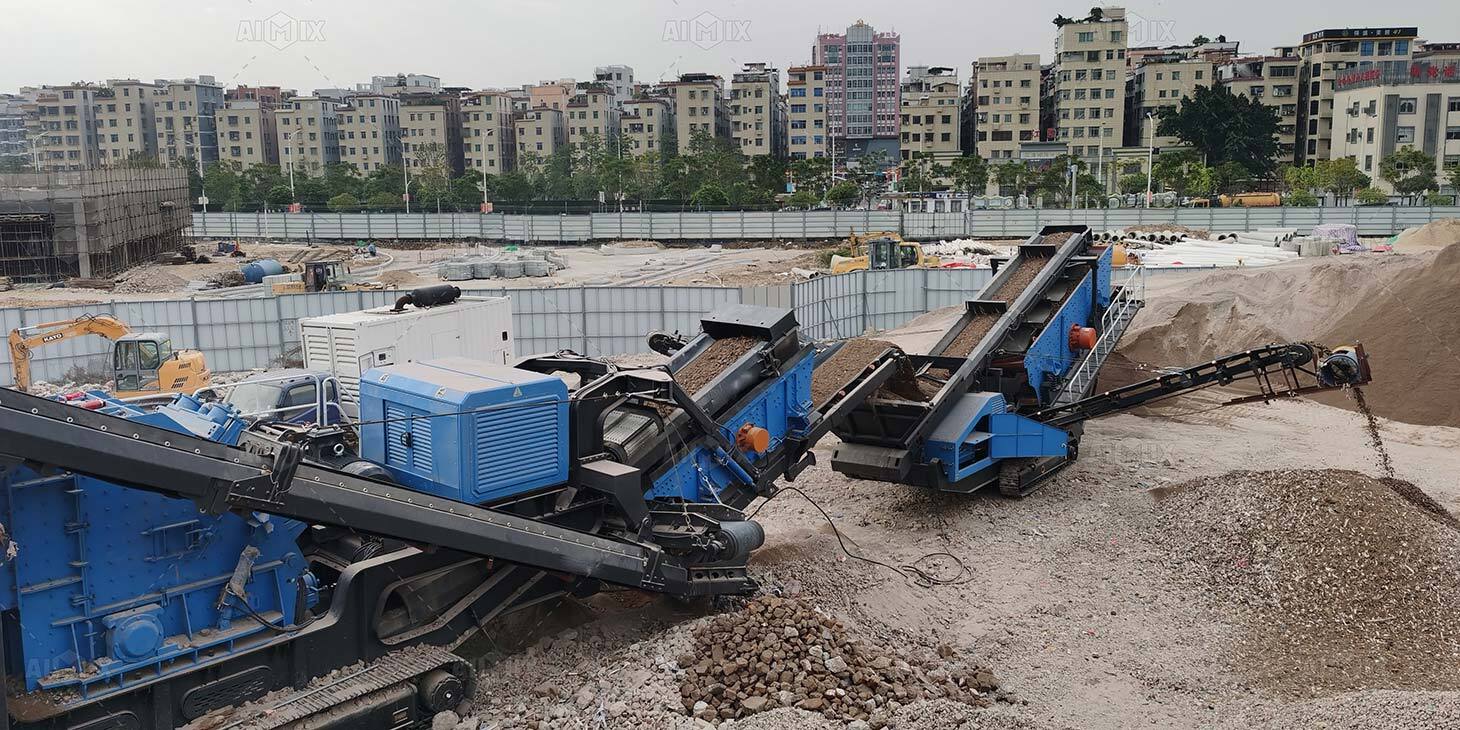
Parts management is a balance between capital tied up in inventory and the cost of downtime. An authoritative strategy involves identifying and stocking a curated selection of critical, high-wear, or long-lead-time components. For most concrete crushing plants, this shortlist invariably includes crusher liners, specific hydraulic hoses and cylinders, conveyor belt splices, a set of screen panels, and key electrical sensors. The specific inventory should be dictated by the plant’s historical consumption data and the projected lead times from suppliers. This strategic cache is an insurance policy against protracted operational stoppages, ensuring that when wear inevitably occurs, the track crusher machine can be returned to service with minimum delay.