Warehouse upgrades can change concrete requirements more substantially than the project name suggests. Replacing a floor, extending a loading bay, adding mezzanine structures, strengthening foundations, constructing new walls, or installing heavier storage systems can all introduce concrete work into an operating logistics environment. In Kenya, these projects may also involve restricted access, active vehicle movement, limited shutdown periods, and sites located within established industrial areas. As a result, contractors need to consider not only how much concrete is required, but also how it will travel from the delivery point to the actual placement area. Pumping equipment becomes part of the construction logistics rather than simply an accessory to concrete supply.
The right investment depends on the geometry and rhythm of the warehouse upgrade. A small floor extension may require a compact pumping arrangement, while a multi-bay expansion can demand sustained concrete placement over a larger area. The location of the pump, pipeline length, mixer-truck access, concrete output, and frequency of pours all influence equipment selection. Instead of choosing a pump from capacity alone, contractors can evaluate the entire concrete route and determine which system best fits the warehouse's existing operational constraints.
Warehouse Layout Can Change the Concrete Pumping Requirement
Existing Buildings Often Restrict Direct Truck Access
Warehouse upgrades frequently occur inside established compounds rather than on empty construction sites. Existing buildings, loading docks, parked vehicles, security gates, and internal circulation roads can prevent a mixer truck from approaching the exact pouring point. The contractor may therefore need to establish a remote discharge location and use a pipeline to transfer concrete into the work zone.
This arrangement makes a concrete pump in Kenya useful for separating concrete delivery from concrete placement. The truck can remain in an accessible position while the pump carries concrete across the warehouse floor, around structural obstacles, or toward a foundation area that cannot accommodate a large vehicle.
Floor Slabs and Foundations Create Different Pumping Routes
A warehouse floor replacement usually involves broad horizontal placement, whereas a new column foundation or loading-bay extension may require concrete to reach a deeper or more confined area. The pipeline arrangement should therefore reflect the geometry of each pour. Long horizontal runs, bends, elevation changes, and multiple placing points can influence the required pumping performance.
Internal Traffic Should Be Separated From Concrete Operations
Active warehouses can contain forklifts, delivery vehicles, workers, and stored materials. A poorly positioned pump or pipeline can interfere with these activities. Contractors should define the concrete route before the pour and provide sufficient clearance for both construction personnel and ongoing warehouse operations.
Match Pumping Equipment to the Scale of the Upgrade
Smaller Renovation Areas May Need Compact Equipment
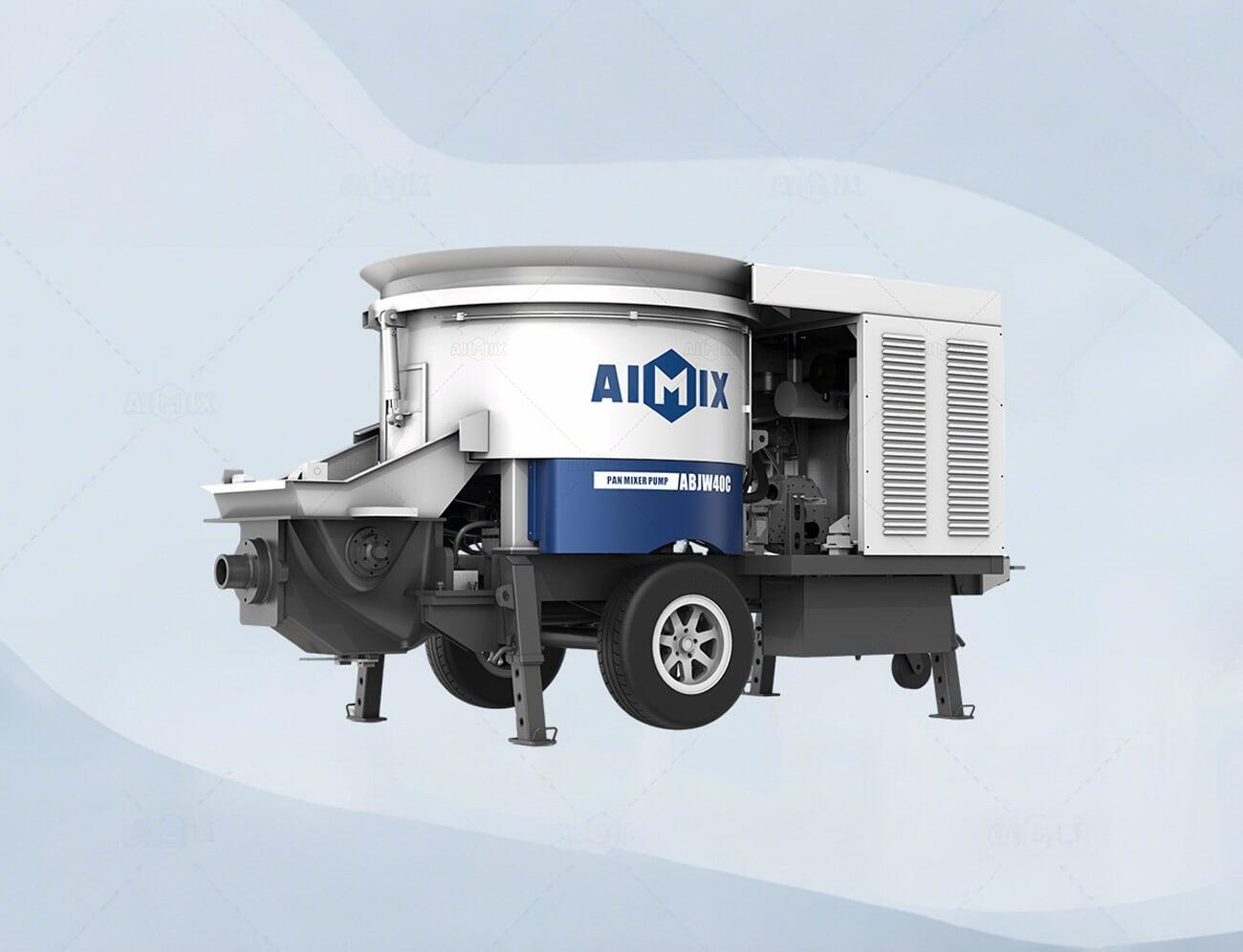
Not every warehouse upgrade requires a high-output pumping system. For isolated foundations, small extensions, equipment bases, or limited slab repairs, a concrete mixer pump in Kenya can combine concrete mixing and pumping within one equipment arrangement. This can reduce the number of separate machines required when the project does not justify a larger concrete production setup.
The contractor should still assess the expected concrete volume and pouring sequence. A compact system works most effectively when its practical output corresponds with the crew's placement speed and the available material supply. The aim is steady concrete flow rather than simply selecting the largest available machine.
Larger Extensions May Justify Higher Pumping Capacity
A warehouse expansion involving several structural bays, large foundations, or extensive floor slabs can require a more sustained concrete supply. In such cases, the investment decision should consider pumping capacity, pipeline distance, concrete delivery frequency, and the expected duration of each pour.
A high-capacity system may reduce the time required for large pours, but only when the upstream concrete supply can maintain the necessary flow. Otherwise, the pump may spend part of its operating cycle waiting for concrete. Equipment capacity should therefore be considered as part of the entire production-and-placement chain.
Concrete Volume Should Influence the Investment Horizon
Contractors handling repeated warehouse upgrades may assess equipment according to cumulative project demand rather than a single pour. If similar work is expected across multiple facilities, owning or leasing suitable pumping equipment can be evaluated against repeated external pumping arrangements, transportation requirements, and scheduling constraints.
Consider Whether a Boom Pump or Line Pump Fits the Warehouse
Line Pumps Suit Pipeline-Oriented Placement
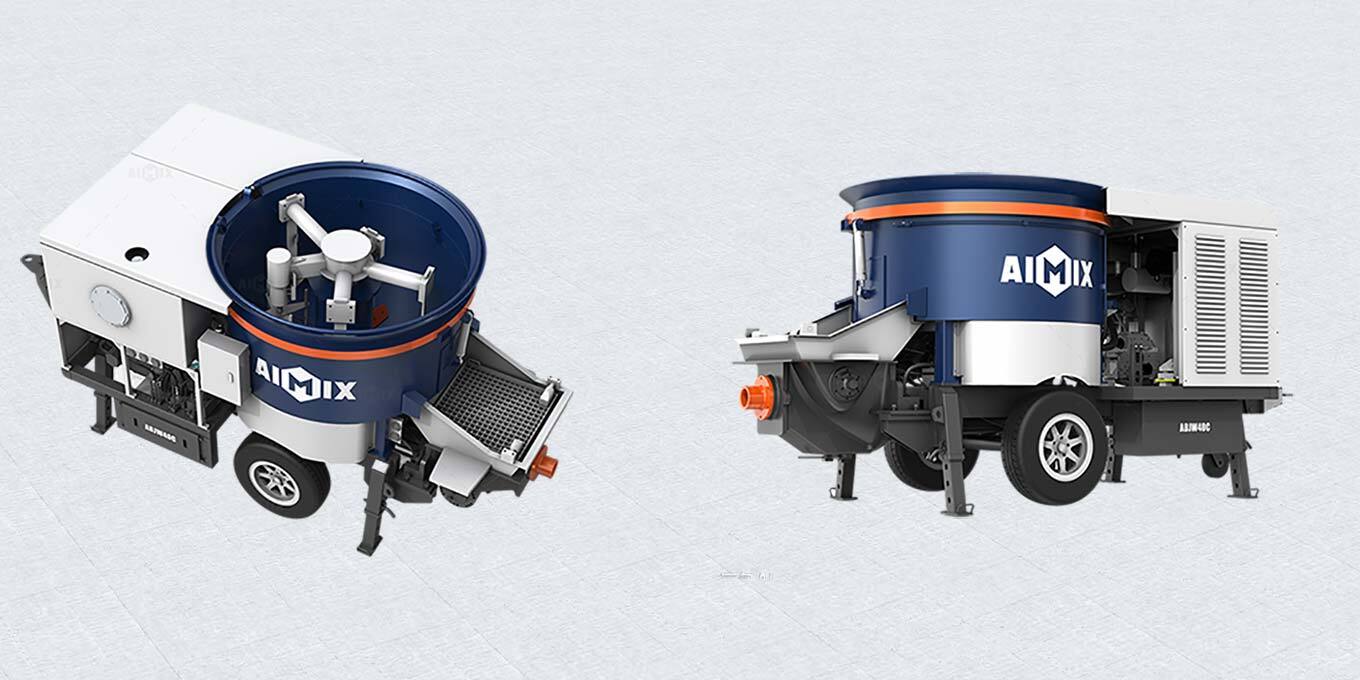
For foundations, slabs, walls, and other areas where concrete must travel through a defined pipeline, a line-pumping arrangement can provide practical flexibility. The equipment can remain outside or at the edge of the active construction zone while hoses or pipes extend toward the placing area. This can be advantageous when the warehouse compound provides limited room for vehicle positioning.
Boom Pumps Require Adequate Setup and Working Clearance
A boom pump in Kenya can be considered when concrete must be distributed across a broad work area or reach difficult placement points from a single setup position. Its articulated boom can reduce the need for repeated manual hose movement during suitable pours. However, the contractor must account for setup space, boom clearance, overhead obstructions, power lines, surrounding buildings, and safe operating distances.
Warehouse Height Can Affect Boom Selection
High-bay warehouses introduce another variable. Roof structures, cranes, lighting systems, fire-protection equipment, and other overhead installations may limit the usable boom envelope. A pumping solution should therefore be checked against the actual three-dimensional working environment rather than evaluated only by nominal reach.
Plan Concrete Pump Investment Around Future Warehouse Work
Repeated Upgrades Can Change the Equipment Calculation
A warehouse project may begin with one extension but later include additional loading docks, floor strengthening, drainage structures, retaining elements, or new storage areas. Contractors expecting recurring concrete work can consider whether the selected pump remains useful across these different applications.
A concrete pump for sale in Kenya may therefore be evaluated according to more than its initial purchase specification. Pumping capacity, mobility, maintenance access, spare-parts availability, operator requirements, and compatibility with common concrete mixes can all influence its longer-term practicality.
Site Conditions Should Define the Final Equipment Configuration
The final selection should begin with the concrete route: where materials arrive, where concrete is produced or discharged, where the pump can stand, how far the pipeline must extend, and where the placing crew will work. From there, contractors can compare required output, reach, maneuverability, and operating footprint.
Warehouse upgrades in Kenya therefore make concrete pump investment a site-logistics decision as much as an equipment decision. The most suitable configuration depends on the warehouse layout, concrete volume, placement distance, access restrictions, project duration, and potential future work. By evaluating these factors together, contractors can select pumping equipment that supports the actual construction workflow rather than simply matching a nominal capacity figure.