Pouring concrete on upper floors is a common challenge for small residential contractors in Abuja, Nigeria. Duplexes, low-rise apartment buildings, and privately developed residential properties often have limited access roads, restricted working space, and budgets that cannot accommodate large truck-mounted pumping equipment. Yet concrete must still be delivered to elevated slabs, beams, and columns at a controlled rate to maintain construction quality and keep the project on schedule. Without a large pump truck, contractors can consider compact concrete pumping equipment, ground-based stationary pumps, or alternative lifting arrangements suited to the building layout. The right method depends on the floor height, required concrete volume, access conditions, mix workability, and available labor. Planning these factors before pouring begins helps contractors avoid prolonged interruptions, reduce material handling, and maintain consistent concrete placement across the structure.
Assess the Building Before Choosing a Concrete Delivery Method
Calculate Concrete Volume and Placement Height
Before selecting equipment, contractors should estimate the concrete volume required for the slab, beams, and other structural elements. A residential floor requiring 15 m³ of concrete presents different logistical demands from one requiring 40 m³. The vertical distance from the pump to the discharge point also affects the equipment specification. Contractors should determine the required placement rate, available pouring time, and distance between the concrete supply point and the building. These figures help establish whether a mini concrete pump for sale can complete the pour within the planned working window.
Evaluate Site Access and Working Space
Residential sites in Abuja may have narrow entrances, neighboring buildings, overhead obstructions, or limited space for equipment setup. A large truck-mounted pump may be difficult to position even when its pumping capacity is sufficient. Inspect the site entrance, ground bearing conditions, pipeline route, and available space for concrete delivery vehicles. Where access is restricted, equipment that can be transported separately from the concrete supply vehicle may offer greater flexibility.
Choose a Concrete Delivery Method for Restricted Residential Sites
Use a Compact Pump with a Ground-Level Pipeline
A compact pump positioned at ground level can deliver concrete through a pipeline routed toward the upper floor. This arrangement avoids the need to position a large boom truck directly beside the building. When comparing a concrete pump truck in Nigeria with a stationary or compact pumping arrangement, contractors should consider more than the machine's nominal output. Pumping distance, vertical elevation, concrete mix properties, pipeline resistance, and site accessibility all influence practical performance. The pipeline must be properly supported and secured, with suitable connections and a discharge arrangement that allows workers to distribute concrete safely. The equipment manufacturer's limits and the approved pumping procedure should determine the permissible pipeline configuration.
Consider Alternative Lifting Arrangements Carefully
For small pours, some contractors may consider crane-and-bucket or hoist-based delivery where suitable lifting equipment and safe access are available. However, these methods require controlled lifting, stable equipment setup, appropriate load ratings, and a placement sequence that prevents unacceptable interruptions. They may also require more labor and take longer than continuous pumping. The decision should account for the total operation, including loading, lifting, discharge, concrete distribution, and the risk of delays between successive batches.
Select a Small Concrete Pump for Upper-Floor Placement
Match Pump Capacity to the Project
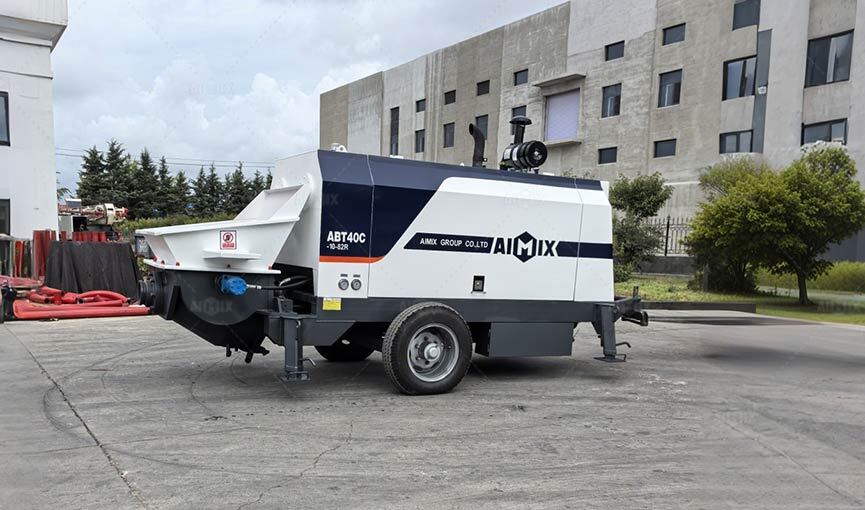
A small size concrete pump can suit residential projects where the required concrete volume is moderate and space for machinery is limited. Contractors should verify its rated output, maximum pumping pressure, vertical delivery capability, aggregate-size compatibility, and recommended concrete mix characteristics. Rated output is not the same as actual placement output. Pipeline bends, elevation, waiting time, and the speed of the finishing crew can reduce the volume placed per hour. The selected pump should meet the project's practical requirements rather than relying solely on a headline capacity figure.
Compare Mini Pumps with Boom Equipment
A mini concrete pump machine may be suitable for delivering concrete through a fixed pipeline to an upper-floor slab when the building layout allows a safe, properly supported route. Its compact footprint can be useful on constrained residential sites, although the exact model's pumping limits must be checked. A boom concrete pump machine offers a different approach by directing concrete through an articulated boom. It can reduce the need for extensive ground-to-floor pipeline routing, but its setup space, reach, outrigger requirements, and operating envelope must be assessed. For a narrow residential plot, these requirements may make a compact stationary pump more practical.
Prepare Concrete Supply and Delivery Before Pouring
Maintain Consistent Concrete Workability
Concrete intended for pumping must be compatible with the pump and delivery pipeline. Mix proportions, aggregate grading, cementitious materials, admixtures, and water content influence pumpability. A mix that is too stiff may increase pumping resistance, while excessive water addition can compromise strength and durability. Contractors should follow the approved mix design and confirm the required workability before pumping. Uncontrolled water additions should be avoided. The mix must satisfy the project's structural specifications as well as the equipment manufacturer's requirements.
Coordinate Batching and Placement Schedules
The concrete supply rate should match the rate at which the pump and placement crew can work. If deliveries arrive too slowly, interruptions may affect the continuity of the pour. If too many trucks arrive together, restricted residential access can create congestion. Confirm the estimated volume, delivery intervals, pump setup time, and finishing crew availability before work starts. Establish a contingency plan for supply interruptions and equipment breakdowns, including the engineer-approved procedure for any necessary construction joint.
Prepare the Upper Floor and Maintain Pouring Safety
Inspect Formwork, Reinforcement, and Supports
Before concrete arrives, the site engineer should inspect the formwork, reinforcement placement, embedded services, slab thickness, and temporary supports. Formwork and shoring must be designed and installed to carry the anticipated wet-concrete loads and construction activities. The pump pipeline should be secured independently as required by the equipment and site arrangements. Workers must not improvise pipe supports or stand in hazardous positions near pressurized connections.
Distribute and Compact Concrete Systematically
Concrete should be placed in a planned sequence that limits uneven loading of the formwork and prevents excessive accumulation in one location. Workers should distribute the material promptly and compact it using an appropriate method to reduce voids and honeycombing. The team should monitor concrete flow, slab levels, formwork movement, and changes in workability throughout the pour. Curing should begin in accordance with the project specifications and environmental conditions once the surface treatment and finishing sequence permit it.
Control Total Pouring Costs and Avoid Delays
Compare Equipment Costs with Project Requirements
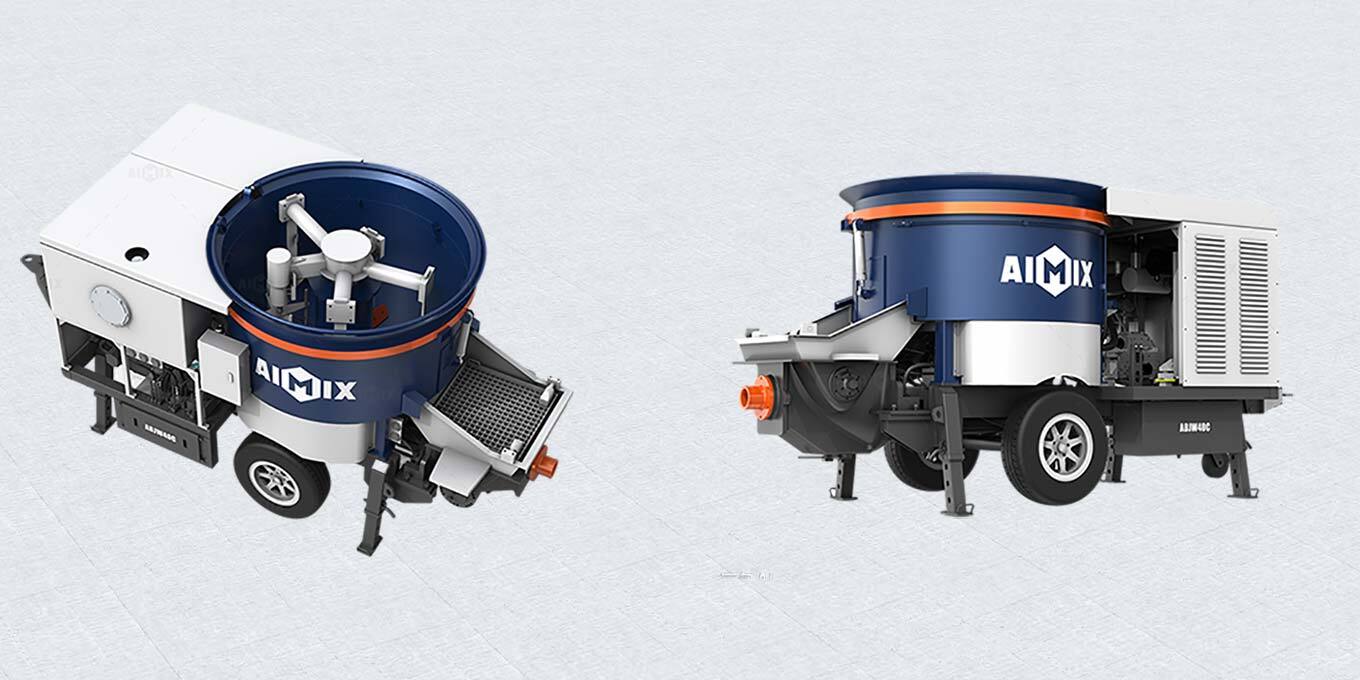
The lowest equipment rental or purchase price does not necessarily produce the lowest total pouring cost. Contractors should consider mobilization, setup, pipeline installation, fuel or electricity, operator charges, labor, cleaning, and the potential cost of interruptions. For a small residential project, a concrete pump for sale in Nigeria may reduce the space needed for equipment and simplify access. However, its suitability depends on whether it can deliver the required volume within the available time and reach the intended discharge point.
Prepare a Contingency Plan
Before the pour, confirm equipment availability, inspect critical pipeline components, check the power source or engine, and arrange access to necessary spare parts. Ensure that operators and workers understand the communication procedure and emergency shutdown arrangements. If a delay occurs, the site team should follow the approved method statement and consult the responsible engineer when the interruption could affect concrete continuity. Improvised changes to the mix, pumping setup, or structural sequence can create additional risks.
Conclusion
Pouring upper-floor concrete on small residential projects in Abuja does not always require a large truck-mounted boom pump. Compact stationary pumps, suitable pipeline systems, and carefully planned alternative lifting methods can provide workable solutions when matched to the building height, concrete volume, site access, and structural requirements. The key is to evaluate the entire placement operation rather than selecting equipment by size or price alone. Accurate volume calculations, pump-compatible concrete, secure pipelines, coordinated delivery, proper formwork inspection, and disciplined curing help contractors complete residential pours with greater control over quality, safety, and project costs.