The Middle East's arid climate presents formidable challenges for heavy machinery operating in quarries and aggregate production facilities throughout the region. Ambient temperatures regularly exceed 45 degrees Celsius during summer months, subjecting stone crusher plant to thermal stresses far beyond standard operational parameters established by manufacturers headquartered in temperate regions. These extreme conditions infiltrate nearly every mechanical and electrical subsystem, demanding specialized adaptations to maintain productivity, equipment longevity, and operator safety across demanding production schedules.
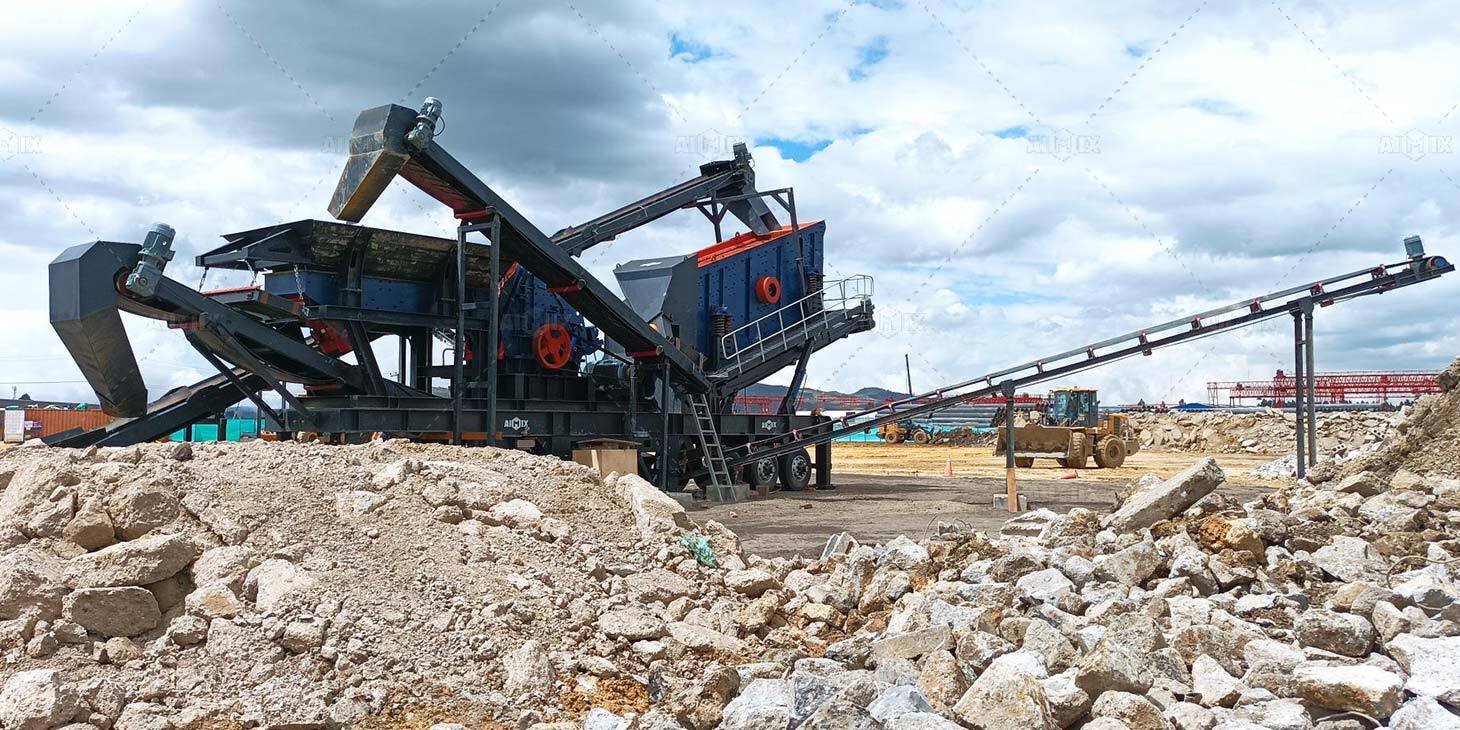
Thermal Stress on Mechanical Components and Lubrication Systems
Crushing equipment relies heavily on lubrication to minimize friction between moving parts subjected to constant impact and abrasion. Under intense heat exposure, conventional lubricants experience viscosity breakdown, thinning beyond optimal ranges and losing their protective film integrity. This degradation accelerates wear on bearings, gears, and bushings within jaw crushers, cone crushers, and impact crushers alike, potentially leading to catastrophic component failures during peak production hours.
Hydraulic systems face particularly acute vulnerabilities under desert conditions. Hydraulic fluid temperatures can climb precipitously when ambient air already hovers near scorching thresholds, pushing fluid temperatures beyond manufacturer-specified ceilings. This overheating compromises seal integrity, accelerates oxidation processes within the fluid itself, and reduces overall hydraulic efficiency, sometimes manifesting as sluggish cylinder response or erratic pressure fluctuations during crushing operations.
Operators throughout the Gulf region typically counteract these challenges through synthetic lubricant formulations engineered specifically for high-temperature endurance, alongside auxiliary cooling systems incorporating oversized radiators, supplementary fans, or even liquid-to-air heat exchangers retrofitted onto existing hydraulic circuits. Without such interventions, plants risk frequent unscheduled downtime as components succumb prematurely to thermally induced fatigue.
Metal expansion presents another subtle yet consequential issue. Structural steel components within crushing chambers expand measurably under sustained heat, occasionally altering clearances between crushing surfaces and adjustable settings calibrated during cooler installation periods. This dimensional drift can affect product gradation consistency, requiring periodic recalibration to maintain output specifications throughout shifting seasonal temperature ranges.
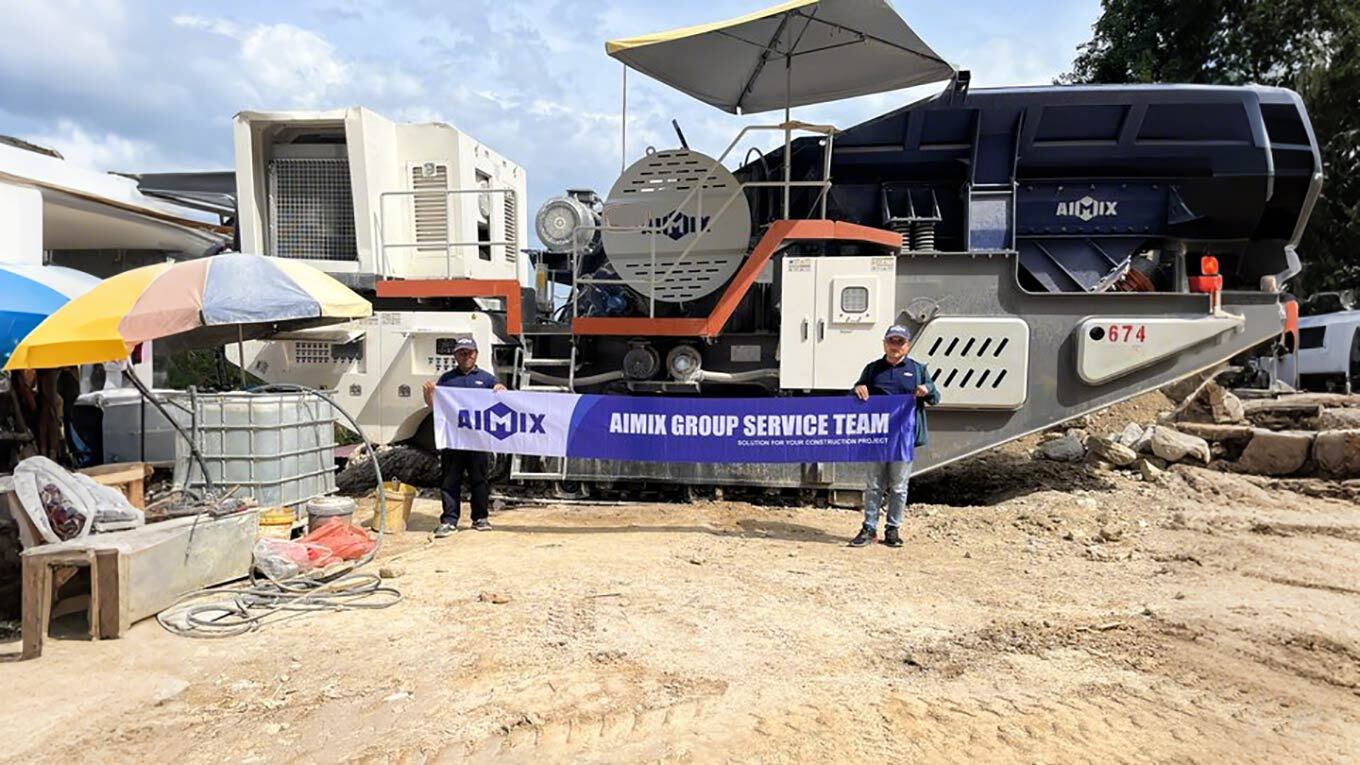
Electrical and Electronic System Vulnerabilities
Modern stone crushing plants incorporate sophisticated electronic control systems governing crusher settings, conveyor speeds, and screening operations through programmable logic controllers and variable frequency drives. These electronic components, while offering precision and automation benefits, exhibit pronounced sensitivity to elevated ambient temperatures, particularly when housed within poorly ventilated control cabinets exposed to direct solar radiation.
Semiconductor components within drives and controllers experience accelerated degradation rates when operating temperatures exceed designed thresholds, sometimes triggering thermal shutdown protocols that halt production unexpectedly during the hottest operational periods. Such interruptions, occurring repeatedly throughout summer months, cumulatively erode daily output targets and complicate production scheduling for facility managers attempting to meet contractual delivery commitments.
Motor performance similarly suffers under thermal duress. Electric motors driving crushers, screens, and conveyor systems generate substantial internal heat during normal operation, heat that struggles to dissipate effectively when surrounding ambient air already approaches or exceeds motor winding temperature limits. This compounding effect necessitates derating motor capacities or installing forced-air cooling enhancements to prevent insulation breakdown and premature motor failure.
Battery-powered instrumentation and sensor arrays, increasingly prevalent in modern crushing facilities for monitoring vibration, temperature, and production metrics, also demonstrate reduced operational lifespans under sustained heat exposure. Facility managers across the region often establish accelerated replacement schedules for such components, accepting higher consumable costs as a pragmatic tradeoff against unexpected sensor failures disrupting monitoring continuity.
Dust Management and Material Behavior Under Extreme Heat
Beyond mechanical and electrical considerations, extreme heat fundamentally alters how processed materials behave throughout the crushing circuit. Moisture content within feed material, already minimal in arid environments, diminishes further under intense solar exposure, producing exceptionally dry, friable rock that fractures differently than material with residual moisture retention.
This desiccation tends to generate increased fines production during crushing, as bone-dry rock often fragments along different fracture planes compared to material with slight moisture content acting as a natural binding agent. Consequently, gradation curves may shift unexpectedly, requiring screening adjustments or blending strategies to maintain product specifications demanded by downstream concrete and asphalt production facilities.
Dust generation escalates correspondingly, presenting both operational and health considerations. Extremely dry conditions allow fine particulates to become airborne with minimal disturbance, reducing visibility around crushing chambers and screening decks while simultaneously infiltrating mechanical components, accelerating abrasive wear on bearings and seals not adequately protected against particulate ingress.
Water-based dust suppression systems, while effective, face their own thermal challenges in desert environments. Sprayed water can evaporate almost instantaneously upon contact with sun-baked equipment surfaces and processed material, diminishing suppression effectiveness and requiring substantially higher water consumption rates compared to temperate climate operations. Some facilities have transitioned toward foam-based suppression technologies or chemical dust palliatives that demonstrate greater resilience against rapid evaporation while reducing overall water demand—a particularly valuable consideration given water scarcity concerns prevalent throughout much of the Middle East region.
Conveyor belt materials also warrant attention under these conditions. Standard rubber compounds can become brittle and prone to cracking when subjected to prolonged ultraviolet exposure combined with extreme surface temperatures, sometimes exceeding seventy degrees Celsius on exposed belt surfaces during peak afternoon hours. Heat-resistant belt formulations, incorporating specialized rubber compounds and reinforced fabric plies, represent essential investments for facilities seeking to avoid premature belt replacement cycles and associated production interruptions.
Addressing these multifaceted thermal challenges requires holistic operational strategies encompassing equipment specification, maintenance scheduling, and material handling adjustments tailored specifically to regional climatic realities. Facilities that proactively implement heat-mitigation measures across mechanical, electrical, and material-handling domains position themselves favorably for sustained productivity despite the formidable environmental pressures characteristic of Middle Eastern operating conditions.