Concrete pumping costs in Kenya are influenced by far more than the hourly rate of a concrete pump. The final expense is shaped by how equipment reaches the site, how many workers are required to operate and support the pumping process, and how long the machine remains idle while waiting for concrete, site access, or placement preparation. These factors can quietly accumulate, particularly on projects where concrete must be pumped over long distances or where construction conditions are unpredictable. For contractors comparing a concrete pump Kenya solution, understanding these hidden cost drivers is essential. A machine with an attractive purchase or rental price may not necessarily provide the lowest overall project cost. Delivery distance, labour organization, site productivity, and waiting time can collectively determine whether concrete pumping remains economical throughout the project.
How Delivery Distance and Site Access Increase Concrete Pumping Costs
Transport Distance Adds More Than Fuel Expenses
For concrete pumping projects in Kenya, equipment transportation can represent a significant portion of the operating budget. A pump located close to Nairobi may be relatively inexpensive to mobilize, while transporting the same machine to a remote project in western Kenya, northern Kenya, or a rural infrastructure site can involve considerably higher costs. The calculation goes beyond fuel. Transport arrangements may include truck hire, loading and unloading, road tolls where applicable, mobilization labour, and additional travel time. Poor road conditions can further increase transportation difficulty and equipment wear. This is particularly relevant when contractors compare construction equipment for sale in Kenya. The purchase concrete pump price in kenya is only the beginning of its cost profile. A highly productive pump that can be efficiently mobilized may deliver better economics than a cheaper machine that is difficult or expensive to transport.
Site Accessibility Can Change the Mobilization Equation
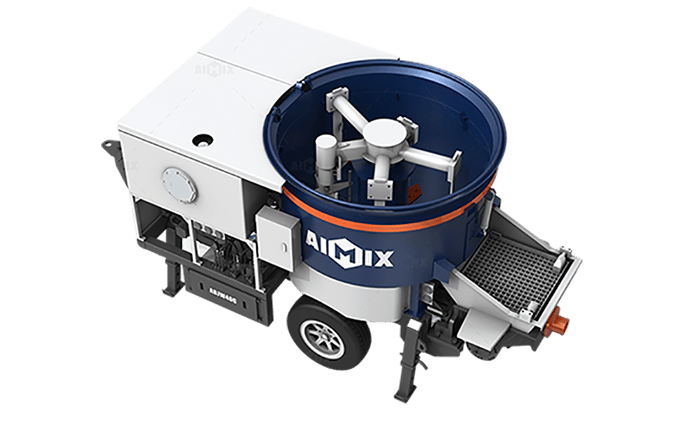
Concrete pump placement requires adequate access and sufficient working space. Narrow roads, steep approaches, congested urban sites, soft ground, or unfinished access routes can make equipment positioning more complicated. Before selecting a pump, contractors should evaluate the complete route from the transport vehicle to the actual pumping position. A machine may have suitable pumping capacity, but poor accessibility can cause delays before pumping even begins.
Plan Equipment Movement Before Concrete Delivery
A practical approach is to confirm site access, equipment positioning, pipeline routes, and concrete truck access before scheduling the pour. This reduces the possibility of expensive equipment waiting time and helps coordinate the entire operation. For projects with repeated concrete work, strategically positioning equipment can also reduce cumulative mobilization costs.
How Labour Requirements Influence the Real Cost of Concrete Pumping
Pumping Requires More Than One Operator
The cost of concrete pumping is not limited to the person controlling the pump. Depending on the equipment and application, additional workers may be required for pipeline assembly, hose handling, communication, concrete delivery coordination, cleaning, and routine maintenance. Labour requirements vary according to the pumping method and project complexity. A long pipeline installation, for example, may require more workers than a straightforward boom-pump application. When calculating pumping expenses, contractors should therefore consider labour productivity rather than simply counting hourly wages.
Equipment Selection Can Affect Labour Efficiency
A well-matched concrete pump can reduce unnecessary manual handling and improve the rhythm of concrete placement. Conversely, equipment with inadequate output or unsuitable configuration can force workers to spend more time repositioning hoses, managing interruptions, or waiting for the next batch. For contractors searching for a mini concrete pump Kenya solution, equipment capacity should therefore be matched to the expected concrete supply rate. A pump that is significantly faster than the available concrete supply may spend substantial time idle, while an undersized pump can become a bottleneck.
Training and Operator Experience Matter
Experienced operators can identify pressure fluctuations, material-flow problems, and equipment abnormalities earlier. Proper operation also reduces avoidable stoppages and contributes to longer equipment service life. For this reason, labour cost should be evaluated together with operator competence. Paying slightly more for skilled operation can be economically rational when it prevents repeated downtime or operational errors.
Why Waiting Time Can Undermine Pumping Efficiency
Concrete Supply Delays Create Expensive Idle Periods
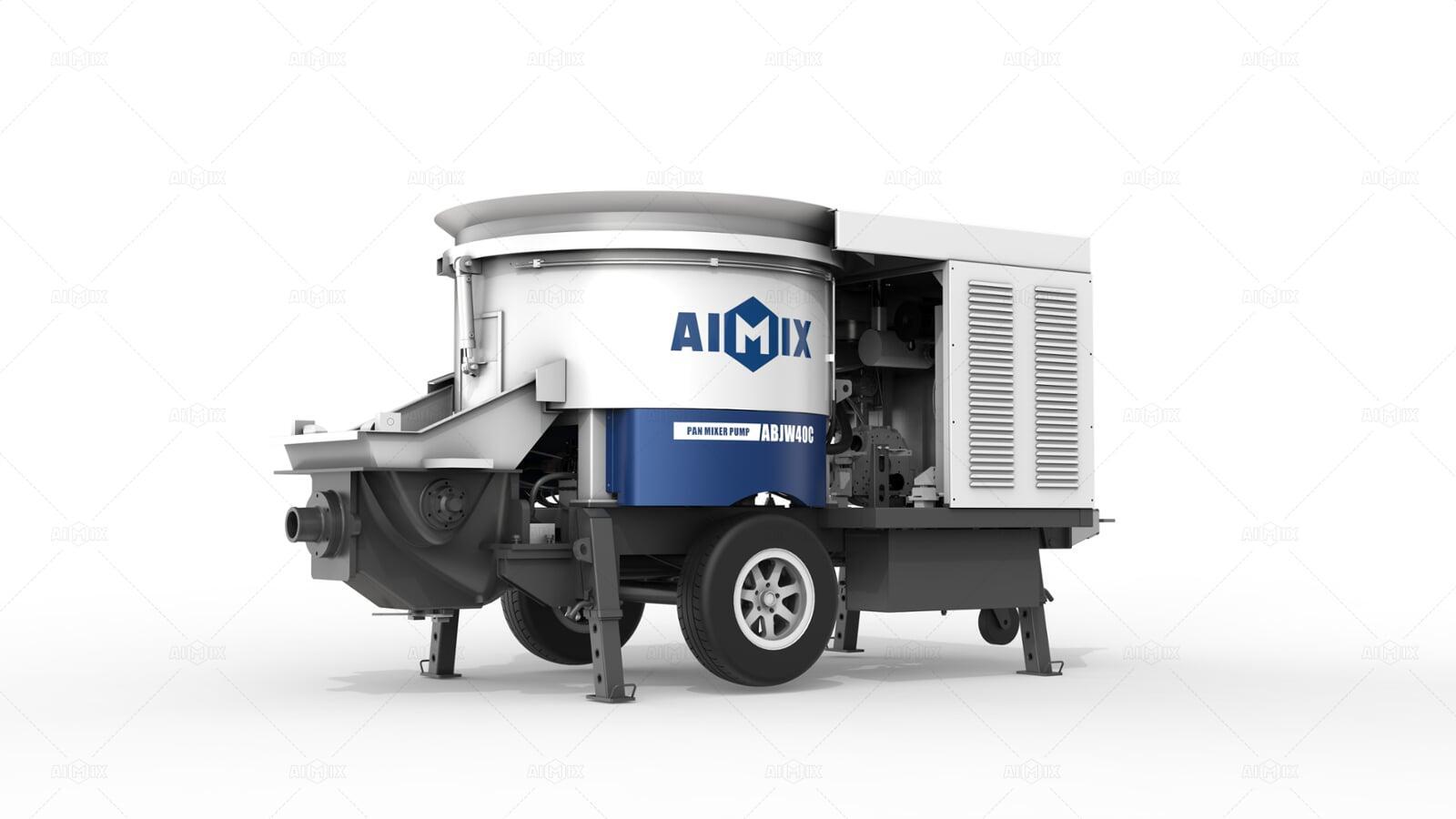
Waiting is one of the least visible costs in concrete pumping. The pump may be fully operational, but if concrete trucks arrive late or the batching plant cannot maintain the required supply rate, the machine generates little productive output. The same principle applies in reverse. If concrete arrives faster than the site can place it, congestion and interruptions can occur. An efficient pumping operation therefore depends on synchronization between the batching plant, mixer trucks, pump, pipeline, and placement crew.
Site Preparation Delays Can Be Equally Costly
Concrete pumping cannot begin simply because the equipment has arrived. The site may still require reinforcement checks, formwork preparation, pipeline installation, access clearance, or other preparatory work. If the pump arrives before these activities are complete, the contractor may effectively pay for equipment that is not producing concrete.
Coordinate the Entire Pouring Sequence
The most effective strategy is to treat pumping as part of an integrated construction sequence rather than an isolated service. Equipment arrival, concrete production, truck dispatch, site preparation, pumping, and finishing should follow a coordinated schedule. A clear pouring plan can reduce idle periods and make better use of both labour and equipment.
How These Factors Affect Concrete Pump Price in Kenya
When evaluating concrete pump price in Kenya, the quoted equipment price should be viewed as one component of total project expenditure. Delivery, labour, waiting, maintenance, fuel, and productivity all influence the final cost per cubic meter of concrete placed. For contractors considering whether to rent or purchase equipment, this broader calculation is particularly important. Frequent projects in different locations may justify owning a mobile pump, while occasional projects may make rental more practical. Ultimately, the most economical concrete pumping solution is not necessarily the machine with the lowest initial concrete pump price. It is the equipment and operating arrangement that minimizes unnecessary transportation, uses labour efficiently, reduces idle time, and maintains a steady concrete flow. For Kenya's diverse construction environment, where projects range from urban developments to remote infrastructure works, controlling these indirect costs can make a substantial difference. A carefully selected concrete pump Kenya solution, combined with disciplined scheduling and efficient site coordination, can turn pumping from a variable expense into a predictable component of the construction budget.