Gravel is not just crushed rock. It is a promise. A promise that every piece will fit. That the base course will compact. That the concrete will hold. That the asphalt will bind. Breaking that promise costs money. Yet most gravel crusher operate on autopilot. Feed goes in. Material comes out. Nobody checks if the grain size meets the target. This is a mistake. A expensive mistake. This article argues for active optimization. Not set-and-forget. Measure. Adjust. Measure again. The goal is a finished product that hits the specification every time. Not sometimes. Every time. Let us talk about how.
Primary Crushing: Setting the Stage for Size
Jaw Crusher Closed Side Setting (CSS)
The jaw crusher is the first gatekeeper. It decides how large the largest pieces will be. The closed side setting (CSS) is the gap between the jaws at the bottom. A wider CSS lets larger pieces through. A narrower CSS crushes them smaller. For most gravel applications, a CSS of 100 to 150 millimetres is typical. The creative argument is that the CSS should be set based on the desired final product, not on habit. If your target finished size is 20 millimetres, a CSS of 100 millimetres is fine. If your target is 10 millimetres, you may need a CSS of 80 millimetres. The primary crusher does not need to produce the final size. It needs to produce a feed that the secondary crusher can handle efficiently. Too coarse, and the secondary crusher struggles. Too fine, and you waste energy. Find the sweet spot.
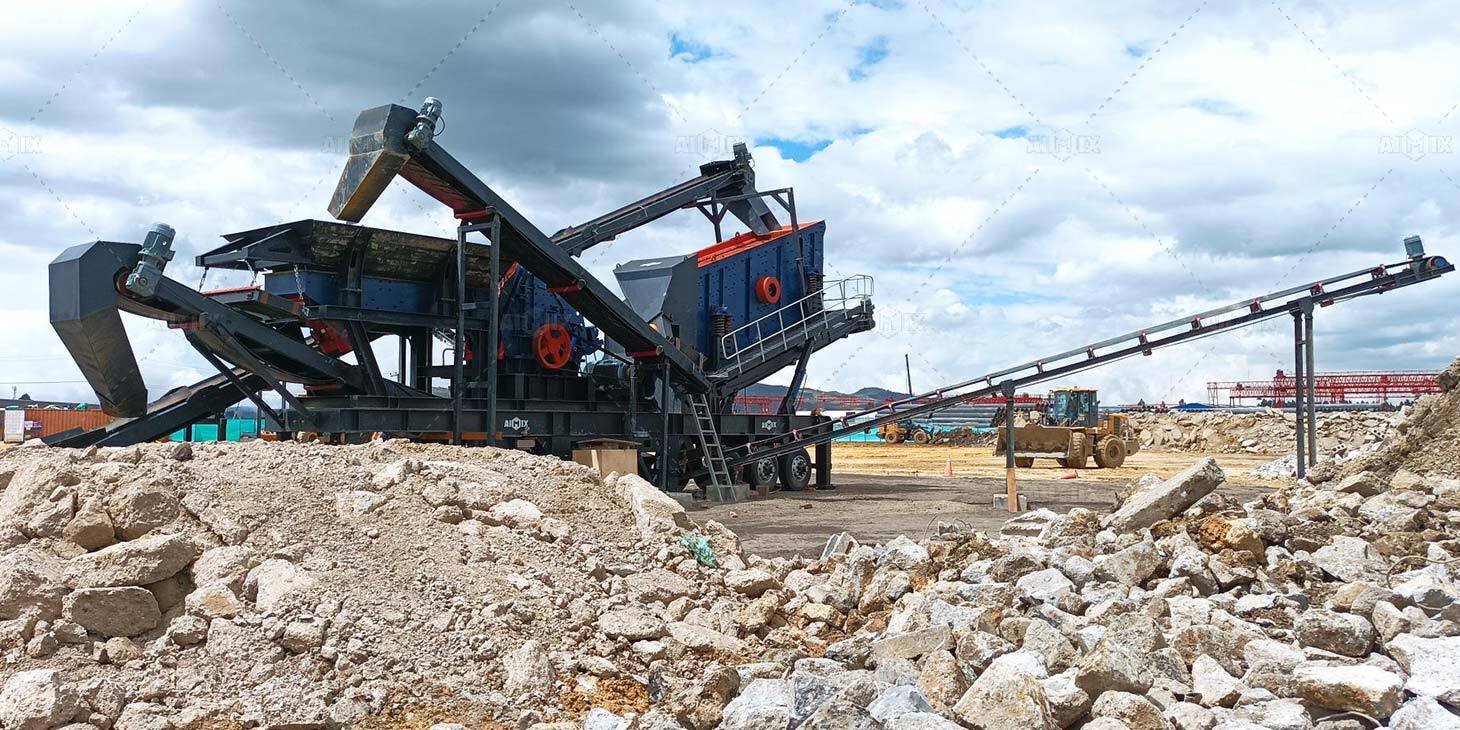
Feed Distribution and Choke Feeding
A jaw crusher performs best when it is choke fed. That means the crushing chamber is always full. The material rests on top of the moving jaw. The creative observation is that many operators starve the jaw. They feed intermittently. The crusher runs empty half the time. This is inefficient. It also produces a less consistent product. An empty chamber allows material to drop through without being crushed. The result is a wider size distribution. More oversize. More fines. The solution is a vibrating feeder that delivers a steady stream. The operator watches the chamber. They adjust the feeder speed. The chamber stays full. The product stays consistent.
Secondary and Tertiary Crushing: Shaping the Final Product
Cone Crusher Settings and Liners
The cone crusher is the shape master. It takes the material from the jaw and reduces it to the target size. The closed side setting on a cone crusher is critical. A tighter CSS produces a finer product. It also increases wear. The creative argument is that the CSS should be set to achieve the desired maximum particle size. If the specification calls for 20 millimetre maximum, the CSS should be 20 to 25 millimetres. The liner profile also matters. A fine liner has a longer parallel zone. It produces a more cubical product. A coarse liner has a shorter parallel zone. It produces a flakier product. The choice depends on the application. For concrete aggregate, choose the fine liner. For road base, the coarse liner may be acceptable.
Impact Crushers for Cubical Shape
When cubical shape is the priority, the mobile impact crusher is the tool. A horizontal shaft impactor (HSI) uses blow bars to throw rock against steel aprons. The impact fractures the rock along natural planes. The result is a cubical particle with sharp edges. The creative observation is that the rotor speed and apron settings determine the product size. Higher rotor speed produces finer material. It also increases wear. Lower rotor speed produces coarser material. It also reduces fines. The operator can adjust the aprons to change the reduction ratio. A tighter apron setting cracks the rock more. A looser setting lets larger pieces pass. The impact crusher is flexible. Use that flexibility.
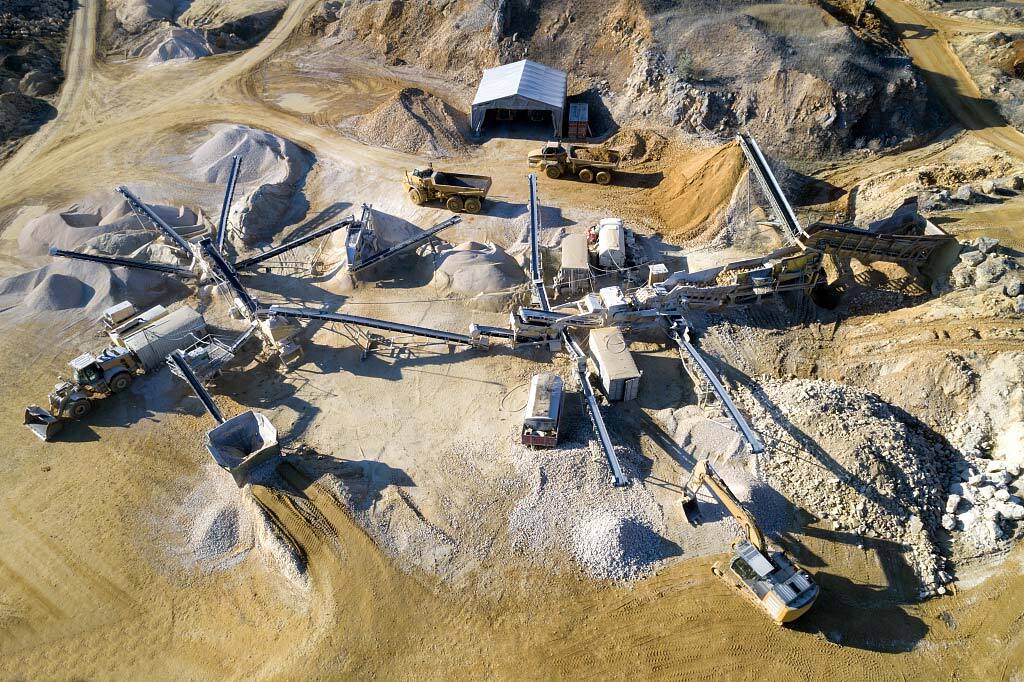
Screening and Recirculation: Closing the Loop
Deck Sizes and Screen Media
No crushing circuit is complete without a screen. The screen separates the product by size. Material that meets the specification falls through. Material that is too large returns to the crusher. The creative argument is that the screen is the quality control gate. If the screen is wrong, the product is wrong. The deck size must match the target size. For 20 millimetre product, use a 20 millimetre screen. For 10 millimetre product, use a 10 millimetre screen. Screen media also matters. Woven wire is cheap. It wears quickly. Polyurethane screens last longer. They also resist blinding. Choose the media that matches your production volume and material characteristics.
Recirculating Load and Crusher Efficiency
The recirculating load is the material that returns to the crusher. A high recirculating load means the screen is not efficient. The crusher works harder. Wear increases. The creative observation is that the recirculating load should be monitored. A load of 50 to 100 percent is typical. A load of 200 percent indicates a problem. The screen may be too small. The screen media may be worn. The crusher setting may be too coarse. Investigate. Correct. A lower recirculating load reduces wear and saves energy. It also increases the capacity of the circuit. The screen is not an afterthought. It is a key player.
The creative conclusion is that gravel crushing optimization is not a one-time event. It is a process. Measure the product size. Adjust the aggregate crusher machine settings. Change the screen media. Monitor the recirculating load. Repeat. The machine does not know what size you want. You must tell it. Set the CSS. Choose the liner. Adjust the rotor speed. Check the screen. Do not assume. Test. The result will be a targeted finished grain size that meets specification. Every time. That is the goal. That is optimization.