Concrete delivery delays can disrupt construction schedules across Malaysia, particularly when several work areas depend on a continuous supply of ready-mixed concrete. Urban traffic congestion, long distances between batching plants and project sites, sudden rainfall, and overlapping delivery schedules can all affect the arrival of concrete trucks. For contractors working on foundations, structural frames, drainage systems, and infrastructure projects, even a relatively short interruption may delay concrete placement and require adjustments to labor and equipment arrangements. When these disruptions become frequent, contractors may need to reconsider how concrete is supplied. On-site production is one possible alternative, allowing construction teams to batch concrete closer to the pouring location instead of relying entirely on external suppliers. However, installing production equipment is not automatically the best solution for every project. The decision depends on concrete consumption, project duration, site conditions, delivery reliability, and the cost of operating an independent production setup.
Common Causes of Concrete Delivery Delays in Malaysia
Traffic Congestion and Long Transportation Distances
In densely developed areas such as Kuala Lumpur, Johor Bahru, and Penang, ready-mixed concrete trucks must navigate busy roads, construction traffic, and restricted delivery windows. A batching plant located far from the project may struggle to maintain a predictable delivery schedule during peak traffic periods. The problem can also affect projects in developing suburban areas. When the nearest commercial batching facility is several kilometers away, repeated truck movements increase transportation time and make delivery coordination more complicated.
Weather and Supplier Scheduling Constraints
Malaysia's tropical climate brings frequent rainfall, which can affect road conditions, site access, and concrete placement schedules. During periods of high construction activity, multiple contractors may also compete for limited delivery slots from the same supplier. When several concrete pours are scheduled simultaneously, suppliers may prioritize orders according to production capacity and dispatch arrangements. Contractors with less flexible schedules can experience longer waiting times.
How Delivery Delays Affect Construction Progress
Interrupted Concrete Pouring Operations
Concrete placement requires coordination between delivery trucks, workers, pumps, and formwork teams. If trucks arrive irregularly, the pouring sequence may be interrupted. This is particularly problematic for large slab sections, beams, foundations, and other structural elements that require carefully planned continuous placement. A delay can also leave workers and equipment idle. Labor costs continue even when concrete is unavailable, while concrete mixer pump operators and other machinery may remain on standby.
Concrete Quality and Pouring Sequence Management
Long waiting periods between deliveries can complicate the management of concrete placement. Depending on the mix design, ambient conditions, and specified working time, extended interruptions may affect workability and the continuity of a pour. Contractors should follow the approved construction method and technical requirements for construction joints rather than attempting to compensate for irregular deliveries by changing water content on site. Consistent supply is therefore an important part of concrete quality management.
Signs That Ready-Mixed Concrete Supply Is No Longer Sufficient
Repeated Delays Affect Critical Construction Activities
An occasional late truck does not necessarily justify purchasing production equipment. However, repeated delays that affect foundation work, structural pours, or scheduled infrastructure activities indicate a more persistent supply problem. Contractors can review delivery records to identify patterns, including average truck waiting times, missed delivery slots, incomplete orders, and the frequency of postponed pours. If these issues repeatedly affect project milestones, alternative supply arrangements deserve consideration.
High or Unpredictable Concrete Demand
Projects with multiple active work zones may require concrete at different times throughout the day. A single external supplier may find it difficult to accommodate frequent changes in volume and delivery schedules. Remote construction sites face another challenge. Long distances from commercial batching plants can make truck dispatch less flexible, especially when site access is limited or transportation conditions are unpredictable.
When On-Site Concrete Production Becomes a Practical Alternative
Portable Batching Plants for Regular Concrete Consumption
A portable batching plant can be suitable for projects with substantial and recurring concrete demand. It enables contractors to produce concrete within or near the construction site, reducing dependence on scheduled ready-mixed deliveries. This arrangement is worth evaluating for housing developments, industrial buildings, road construction, drainage works, and other projects involving successive concrete pours. Contractors should consider plant capacity, aggregate storage, cement supply, water availability, installation space, and expected project duration before making a decision.
Mixer Pumps for Smaller Projects and Flexible Concrete Placement
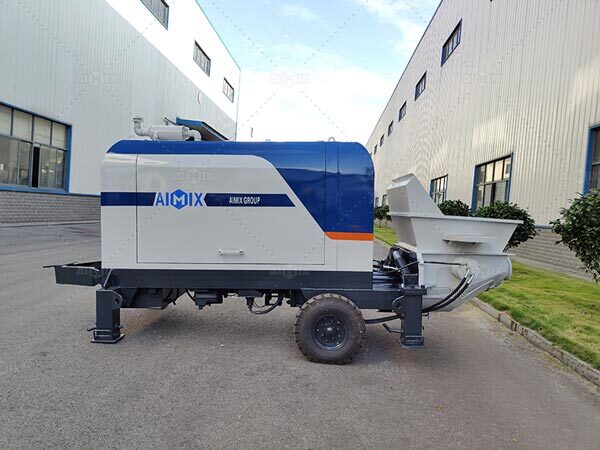
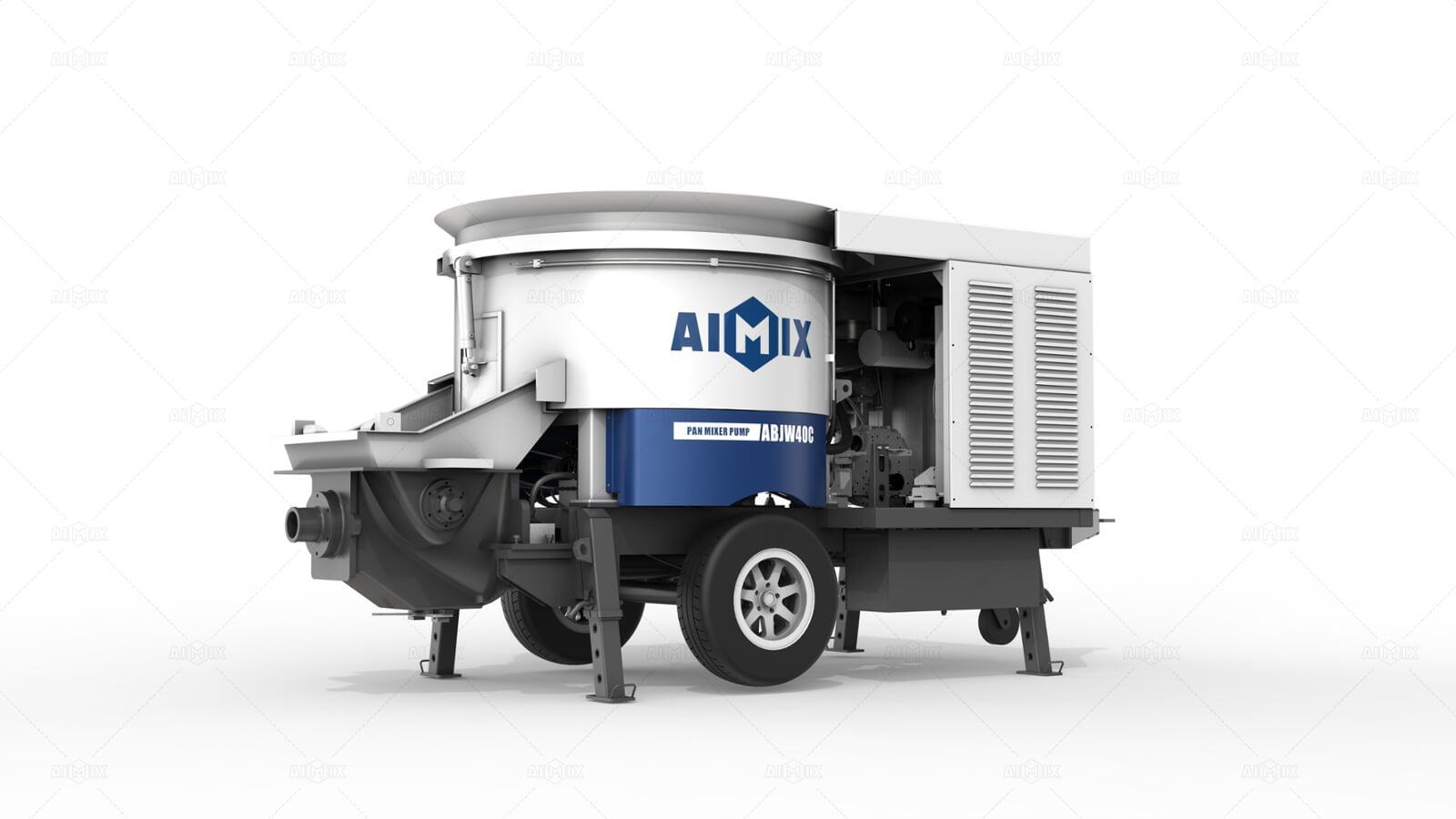
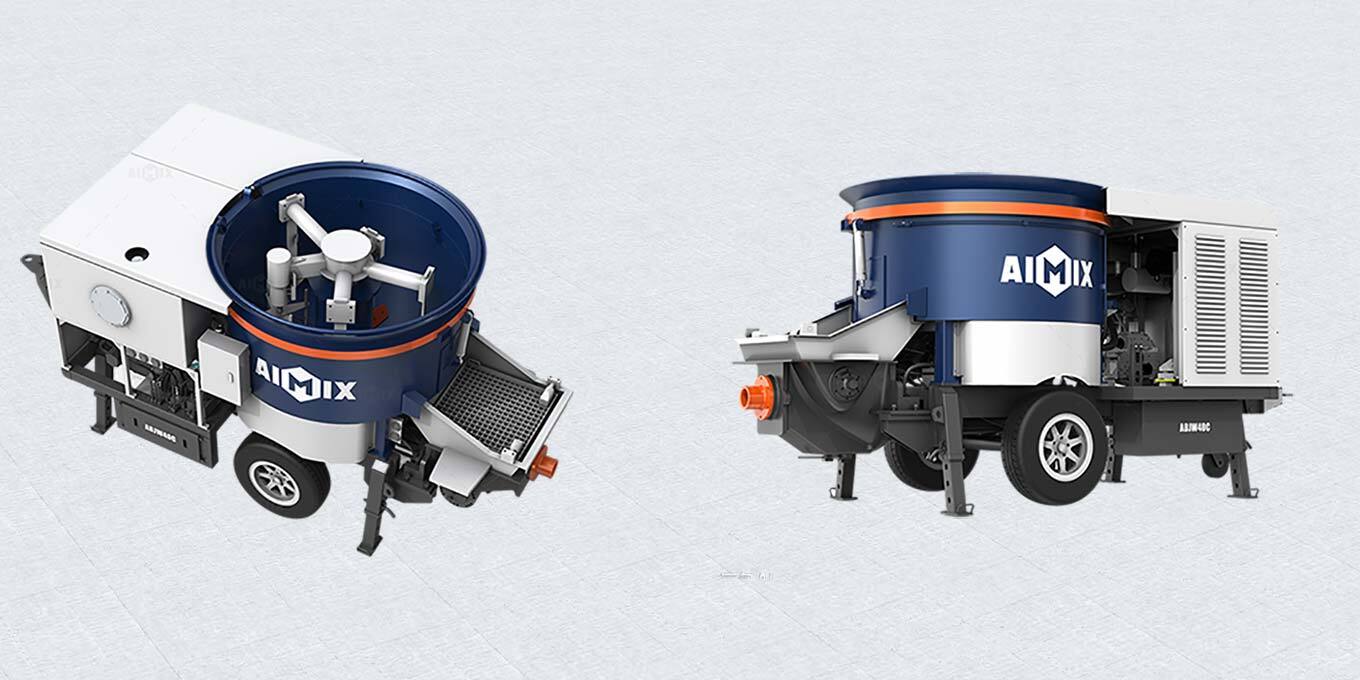
For smaller construction projects, a concrete mixer pump machine combines concrete mixing and pumping functions in one unit. It can mix materials on site and deliver concrete through pipelines to the placement location. This configuration may suit residential foundations, small building structures, boundary walls, and other jobs where concrete demand is moderate and external ready-mixed supply is inconvenient. It can also reduce the need to coordinate a separate mixer and trailer pump.
How to Choose Equipment for Different Project Requirements
Match Pumping Capacity with Concrete Demand
Contractors evaluating a concrete pump in Malaysia should consider the required output, pumping distance, aggregate size, concrete mix characteristics, and placement conditions. A small concrete pump may be sufficient for residential construction, renovation work, and projects with restricted access. Larger trailer pumps are generally more appropriate when higher output or longer pumping distances are required. The following comparison provides a practical starting point:
| Project condition | Potential equipment option | Main consideration |
|---|---|---|
| Small residential foundations | Small concrete pump or mixer pump | Moderate concrete volume and limited working space |
| Low-rise building construction | Mixer pump or trailer concrete pump | Required output and vertical delivery distance |
| Large structural pours | Stationary batching plant and trailer pump | Continuous production and coordinated pumping |
| Remote infrastructure projects | Portable batching plant and suitable pump | Independent supply and site logistics |
Consider Site Accessibility and Equipment Mobility
Urban construction sites may have limited space for equipment installation, aggregate storage, and truck movement. In these situations, a compact pumping unit may be more practical than a complete batching setup. For contractors comparing a small concrete pump or looking for a concrete pump for sale in Malaysia, equipment dimensions, transport arrangements, pipeline configuration, and maintenance access should be included in the evaluation.
Comparing External Supply with On-Site Production
Calculate the Full Operating Cost
Ready-mixed concrete purchasing costs generally include the concrete price, delivery charges, and any applicable waiting-time or minimum-order fees. On-site production involves a different cost structure, including equipment investment, aggregates, cement, water, labor, electricity or fuel, maintenance, and installation. A useful comparison should cover the total expected concrete volume over the project period rather than focusing only on the cost per cubic meter.
Consider Project Duration and Equipment Utilization
On-site production is more likely to be practical when concrete demand is sustained over several months or across multiple construction phases. For a short project with occasional small pours, purchasing ready-mixed concrete may remain more economical. Contractors should estimate daily consumption, peak production requirements, equipment utilization, and the possibility of using the machinery on subsequent projects. These factors help determine whether the investment can be justified.
Conclusion
Concrete delivery delays become a serious concern when they repeatedly interrupt pouring operations, increase labor downtime, or threaten project schedules. For Malaysian contractors, the decision to adopt on-site production should be based on documented delivery problems, concrete consumption, project duration, and site conditions. Portable batching plants can support projects with regular, substantial concrete demand, while small concrete pumps provide a compact alternative for smaller construction activities. By comparing the complete operating costs and matching equipment capacity with actual site requirements, contractors can establish a more dependable concrete supply arrangement.