Acquiring a concrete batching plant for $35,000 or less represents a compelling entry point into independent production, but it necessitates a paradigm shift from conventional procurement thinking. This budget threshold does not afford the luxury of excess capacity or redundant automation; it demands a forensic focus on essential functionality and strategic deployment. A successful purchase within this constraint is less about buying a piece of equipment and more about engineering a viable business node. It requires a clear-eyed understanding of what "mini" truly entails, a meticulous approach to global sourcing, and an unwavering commitment to operational discipline. This guide delineates the pathway from initial concept to profitable operation, bypassing marketing hyperbole to focus on the mechanical and economic realities of budget-conscious batching.
Demystifying the "Mini" in Mini Batching Plant: Core Components and Realistic Expectations
The first critical step is to establish a precise technical and operational definition for a mini batching plant in this price category. Misaligned expectations are the primary cause of post-purchase disillusionment.
Defining the Functional Anatomy of a Sub-$35K Plant
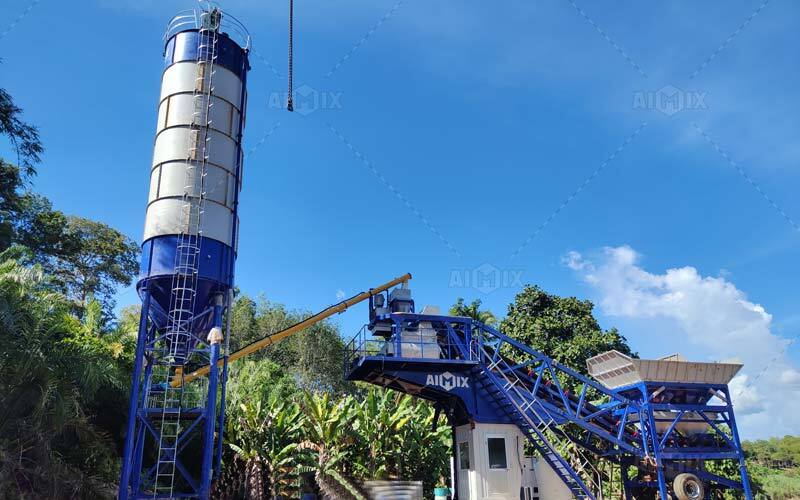
At this investment level, you are procuring a simplified, manually intensive production system. The core configuration will typically be a compact, stationary or semi-mobile unit with an aggregate batcher of 500-750 liters, a single cement silo (often 30-50 tons), and a simple pan or twin-shaft mixer with a capacity under 1 cubic meter. Control systems will be basic, relying on manual or semi-automatic weighing via mechanical scales or rudimentary digital load cells. Automation, if present, is typically limited to the mixer cycle. The plant's output will be contingent on crew efficiency, realistically ranging from 15 to 25 cubic meters per hour under optimal, uninterrupted conditions. This is not a machine for servicing a major paving contract; it is engineered for small-scale residential projects, precast yards producing curbstone or blocks, or remote construction requiring dedicated, on-site supply.
Acknowledging the Inherent Trade-offs: Capacity, Automation, and Output
Compromise is intrinsic. The financial ceiling necessitates sacrifices in three key areas: material surge capacity, process automation, and volumetric throughput. You will trade large, multiple aggregate bins for a smaller, compartmentalized batcher requiring more frequent refilling. You will exchange a fully integrated, programmable logic controller for a system demanding constant operator attendance for weighing and discharge sequencing. Most significantly, you accept a lower peak output, which fundamentally dictates the scale and pace of projects you can viably service. Understanding and embracing these trade-offs is not an admission of deficiency; it is the foundation of a viable operational plan that matches capability to market demand.
The Strategic Procurement Process: Sourcing, Vetting, and Negotiation
With expectations calibrated, the procurement phase becomes a tactical exercise in global commerce and technical validation. Concrete batching plant price sensitivity elevates risk, making diligence non-negotiable.
Navigating the Global Supply Landscape: Direct Manufacturers vs. Local Distributors
The most competitive pricing will invariably come from direct engagement with manufacturers in industrial export hubs. This route offers cost advantage but introduces complexity in communication, quality assurance, and logistics. Alternatively, domestic or regional distributors provide a layer of intermediation, often including basic commissioning and local parts inventory, at a higher upfront cost. The decision hinges on your technical confidence and risk tolerance. For a sub-$35K plant, the economic pressure often steers buyers toward direct overseas procurement, making the subsequent vetting steps paramount.
The Due Diligence Imperative: Technical Specifications and After-Sales Scrutiny
Beyond glossy brochures, demand exhaustive technical documentation. Scrutinize the specification sheet for the provenance and model of core components: the mixer drive system, the gearbox, the motor brands, and the type of sensors used. Request unedited video of a factory acceptance test for your specific unit configuration. Crucially, investigate the supplier’s after-sales protocol. What is the warranty structure on mechanical and electrical parts? Is there a detailed parts manual with internationally recognizable item codes? What is the realistic lead time for a replacement gearbox or pressure sensor? A supplier’s transparency and support framework are as critical as the initial price point.
The Art of the Total-Cost Deal: Navigating Logistics, Duties, and Installation
The quoted FOB price is a mirage. The real cost is the Landed Cost. You must obtain a detailed, binding freight quote to your nearest port, calculate all applicable duties, tariffs, and port handling fees, and budget for inland transportation to your site. Furthermore, factor the costs of foundational concrete works, electrical connection by a certified electrician, and initial assembly. A sophisticated negotiation tactic is to present your total budget—$35,000 all-in—and challenge the supplier to configure a solution that fits within this landed, operational ceiling. This shifts the logistical burden and optimization problem to them, aligning their expertise with your financial reality.
Maximizing Return on Investment: Operational Optimization and Financial Pragmatism
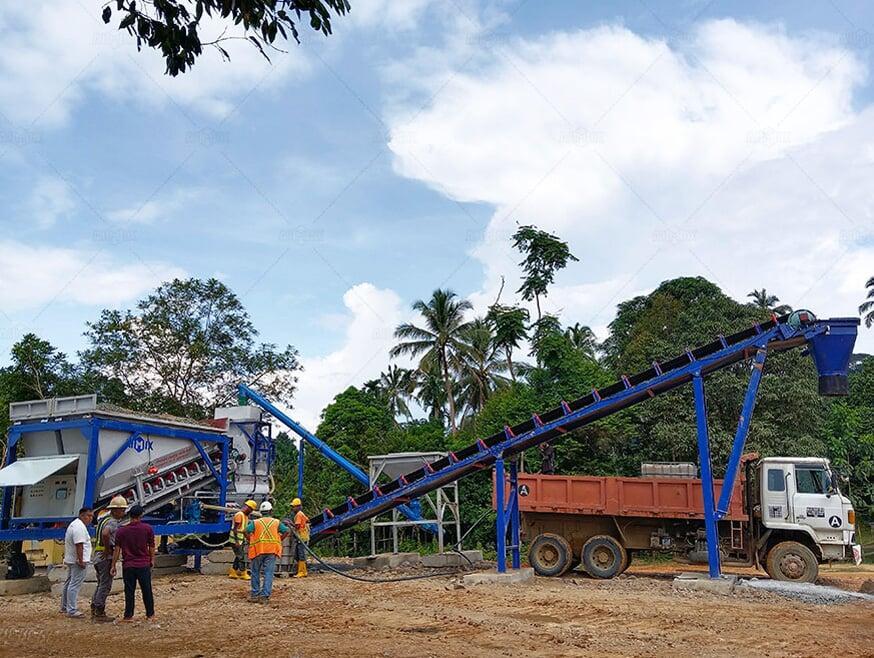
The mobile concrete plant’s arrival marks the beginning of the true test. Its financial justification is proven not by purchase, but by daily utilization and relentless efficiency.
Implementing Lean Operational Protocols to Enhance Efficiency
Design your site layout for linear material flow. Position aggregate stockpiles for easy loader access to the batcher, minimize cement screw conveyor length, and ensure clear truck access. Develop standardized checklists for daily calibration of scales and pre-start maintenance. Train your crew to operate as a synchronized team, overlapping batch cycles with loading and cleaning activities to eliminate dead time. In a low-automation environment, human procedural discipline is the primary driver of output.
Proactive Maintenance as a Profit-Center, Not a Cost
Create a rigid preventive maintenance schedule based on operating hours, not intuition. Lubricate bearings, clean sensors, and inspect mixing blades with calendrical regularity. Keep a minimal critical spares inventory—grease seals, mixer liners, filter elements—to avoid week-long shutdowns for a ten-dollar part. This proactive stance transforms maintenance from a disruptive expense into a guaranteed safeguard of production revenue.
Calculating the True Break-Even Point and Project Viability
Finally, perform a granular financial analysis. Divide your total landed and commissioned investment by your local profit margin per cubic yard of concrete. This reveals the volumetric break-even point. Then, divide that volume by your realistic average weekly production output, considering weather and market delays. This provides a timeline for capital recovery. Before accepting any project, model the plant’s capacity against the pour schedule. If a project demands a consistent 40 cubic meters per day and your optimized output is 25, you have identified a logistical and financial risk that no amount of entrepreneurial spirit can overcome. The discipline to decline mismatched work is the ultimate hallmark of a sustainable, affordable operation.