The quarrying industry stands at a significant inflection point, shaped by escalating demands for efficiency, environmental stewardship, and operational flexibility. Traditional methods, reliant on fixed crushing plants and extensive material transport networks, are increasingly revealing their limitations in a dynamic market. In this evolving landscape, the mobile granite crusher machine has emerged not merely as an alternative piece of equipment, but as a transformative technology that redefines the very logic of aggregate production. These self-propelled units represent a fundamental departure from static processing, bringing the entire crushing circuit directly to the granite face. This paradigm shift unlocks unprecedented levels of on-site efficiency, offering a compelling solution to the perennial challenges of cost control, logistical complexity, and sustainable practice. For forward-thinking operations, the adoption of mobile crushers is becoming less of an option and more of a strategic imperative for long-term viability and growth.
The Paradigm Shift: From Static Plants to Agile Processing
For decades, the conventional quarry model was built around a central, stationary crushing plant. This setup necessitates a complex and costly dance of material movement, where massive excavators and haul trucks shuttle raw granite from the extraction face to the primary crusher, often over considerable distances. This methodology creates a cascade of inefficiencies. The fuel consumption of heavy haulage vehicles is prodigious, their maintenance is a constant financial drain, and the wear on internal haul roads requires perpetual upkeep. Furthermore, the fixed plant creates a rigid operational cadence, unable to easily adapt as the quarry face recedes or the nature of the material seam changes. The mobile granite crusher shatters this static paradigm. By positioning the primary crushing unit at the rock face, the need for intermediary haulage is radically diminished. The excavator feeds directly into the crusher's hopper, and the crushed material is conveyed to a waiting stockpile in a single, fluid motion. This direct-feed system eliminates a significant layer of cost and complication, fundamentally altering the quarry's operational economics.
Unlocking Operational and Financial Fluidity
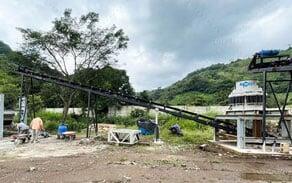
The financial benefits of this mobile approach are both immediate and profound. The most conspicuous saving comes from the drastic reduction, or even elimination, of haul truck fleets and their associated costs—fuel, tires, operators, and maintenance. This alone can transform a project's budget. Beyond direct cost savings, mobile crusher plants introduce a powerful element of operational versatility. A single unit can be sequentially deployed across different faces within a large quarry to process varied material types, or it can be easily transported between multiple smaller satellite sites. This mobility allows a company to service several projects with one capital asset, maximizing its utilization and return on investment. The compact and modular nature of many modern mobile plants also means they can be set up and commissioned in a fraction of the time required for a static plant, getting into production faster and generating revenue sooner. This financial and operational fluidity provides quarry managers with a level of agility previously unimaginable, allowing them to respond to market fluctuations and project-specific demands with remarkable speed.
A Sustainable and Forward-Looking Quarry Model
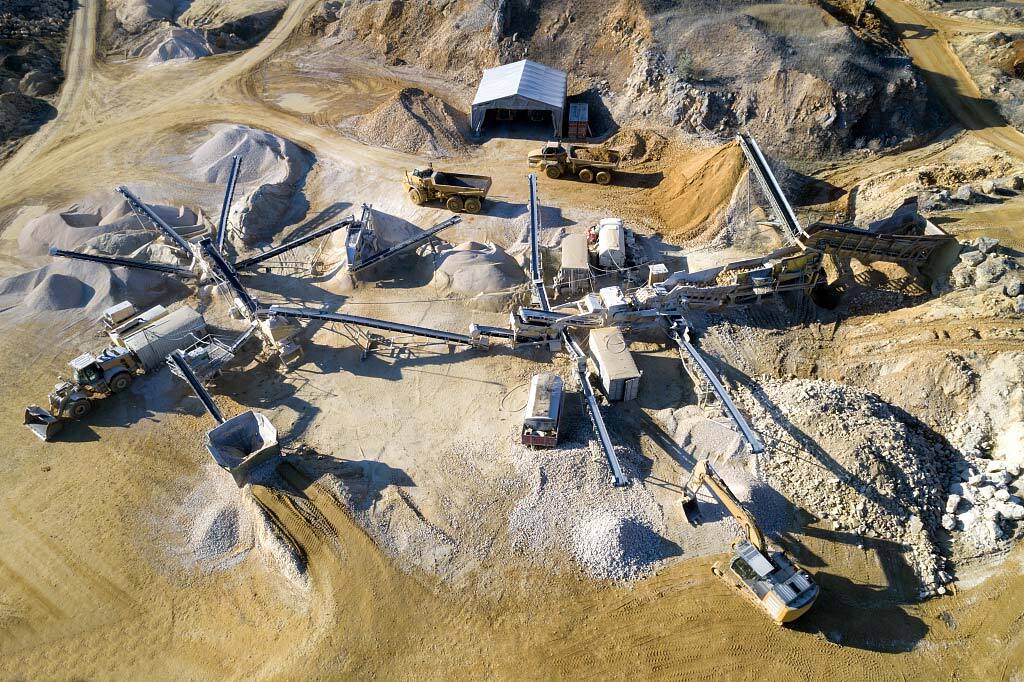
Perhaps the most compelling case for mobile granite crushers lies in their alignment with the future of responsible and intelligent resource extraction. From an environmental perspective, their benefits are substantial. By drastically cutting down on truck traffic, they simultaneously reduce diesel emissions, dust generation, and noise pollution across the site. The smaller physical footprint and reduced need for permanent infrastructure also mean less overall disturbance to the land. This positions a quarrying operation favorably in the face of increasingly stringent environmental regulations and community expectations. Technologically, mobile stone crusher plant is perfectly suited for integration with the digital tools shaping Industry 4.0. They can be equipped with remote monitoring systems, real-time performance tracking, and even semi-autonomous operation, providing managers with unparalleled data to optimize production and preempt maintenance issues. This convergence of mobility and digital intelligence creates a resilient and future-proof operation. In an industry where adaptability is paramount, the mobile granite crusher is no longer just a machine; it is the cornerstone of a more efficient, sustainable, and intelligent quarrying enterprise.