The price list is a temptation. It arrives in your inbox with neat columns and attractive numbers. The stone crusher machine price is clear. The total seems manageable. The temptation is to sign. The professional buyer resists. The price list is not the whole story. Warranty, delivery, and installation are separate chapters. Each chapter contains clauses that can add cost or reduce risk. This article creates a creative framework for confirming these three elements. The framework is a checklist. Tick each box. Ask each question. The seller who answers clearly is a partner. The seller who hesitates is a risk. The professional buyer avoids risk.
Warranty: The Fine Print That Saves Thousands
The first warranty question is duration. Twelve months is standard. Twenty-four months is excellent. The second question is scope. Does the warranty cover parts only, or parts and labour? Labour is expensive. A technician spending three days on your site costs thousands. A parts-only warranty leaves you paying that bill. The creative observation is that many buyers assume labour is included. It is not. Ask. "Does your warranty include the cost of the technician's time?" The answer will surprise you. Some sellers offer a "full warranty" that is actually parts-only. Read the document. Do not assume.
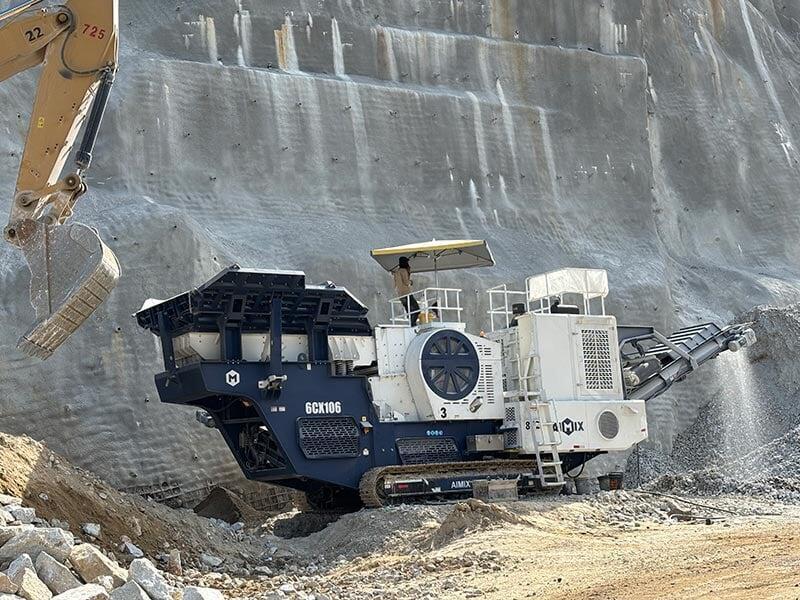
The third warranty question is exclusions. Wear parts are usually excluded. Jaw dies, blow bars, and conveyor belts are consumables. That is fair. The unfair exclusions are hidden. Some warranties exclude bearings. Some exclude hydraulic pumps. Some exclude the control system. The professional buyer asks for a written list of excluded components. The fourth question is shipping. Who pays to ship a replacement part? A warranty that requires you to pay for shipping is a discount on parts, not a warranty. Shipping a 50-kilogram bearing from China costs hundreds of dollars. The creative argument is that a warranty without shipping coverage is incomplete. Ask. "Do you cover shipping costs for warranty replacements?" If the answer is no, negotiate. If the seller refuses, consider other suppliers.
Delivery: From Factory to Foundation
The delivery terms determine who bears the risk. EXW (Ex Works) means you collect from the factory. You pay for loading, transport, insurance, and customs. FOB (Free on Board) means the seller delivers to the port. You pay from there. CIF (Cost, Insurance, Freight) means the seller pays for shipping to your port. You pay port charges and inland transport. DDP (Delivered Duty Paid) means the seller delivers to your site. You pay nothing extra. The creative observation is that a low stone crusher machine price often comes with EXW terms. The machine seems cheap. The total landed cost is not. The professional buyer asks for a DDP quote. It may be higher. It is also the only price that reflects the true cost.
The delivery lead time is the next confirmation. A crusher that arrives in 30 days is different from one that arrives in 90 days. The professional buyer asks for the lead time in writing. The creative addition is a penalty clause. "If the machine is delayed beyond the agreed lead time, the seller will pay a penalty of 1 percent of the purchase price per week." Some sellers will agree. Others will refuse. The refusal tells you something about their confidence in their own schedule. A seller who cannot commit to a date is a seller who will be late. Plan accordingly.
Installation: From Crate to Crushing
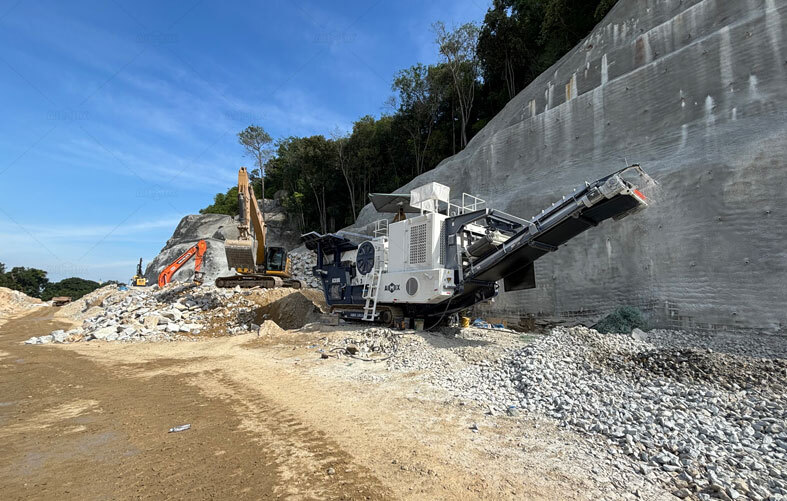
The installation question is simple. Is it included? Many sellers exclude installation from the stone crusher machine price. The machine arrives in pieces. You assemble it. You hope it works. The professional buyer asks for installation to be included. A technician should visit your site. They should supervise the assembly. They should calibrate the aggregate crusher for sale. They should run the first batch. This service costs the seller $2,000 to $10,000. It costs you more if you do it yourself incorrectly. The creative argument is that installation is not a luxury. It is insurance. Pay for it.
The final confirmation is foundation. Who prepares the site? The seller usually does not. You must pour a concrete foundation. You must provide power. You must supply water. The professional buyer asks for a foundation drawing. The drawing shows the dimensions, the reinforcement, and the anchor bolt locations. A seller who cannot provide a foundation drawing is not professional. A seller who provides a clear drawing is a partner. The creative observation is that a good foundation drawing saves weeks of confusion. It is the difference between a crusher that sits level and a crusher that wobbles. Wobbling destroys bearings. Bearings are expensive. Ask for the drawing. Build the foundation correctly. Then install the crusher. Then crush rock. Then make money.