The rhythmic, percussive thump of a concrete line pump has long been the heartbeat of construction sites, a sound synonymous with progress. Yet beneath that robust, mechanical exterior lies an increasingly sophisticated nervous system. Modern line pumps for sale are no longer brute-force instruments alone; they are data-generating assets, equipped with smart controls and diagnostic capabilities that fundamentally alter how contractors approach reliability and mix integrity. In an era where project timelines are compressed and the margin for error is microscopic, the ability to monitor pressure curves, track material flow, and preempt mechanical failure is not a luxury—it is a necessity. The integration of intelligent systems transforms the pump from a passive tool into an active participant in quality assurance, ensuring that the concrete delivered to the formwork is exactly as specified, batch after batch. This shift towards digital oversight is redefining the standard for consistent performance on pours of all scales, from sprawling commercial slabs to intricate residential foundations.
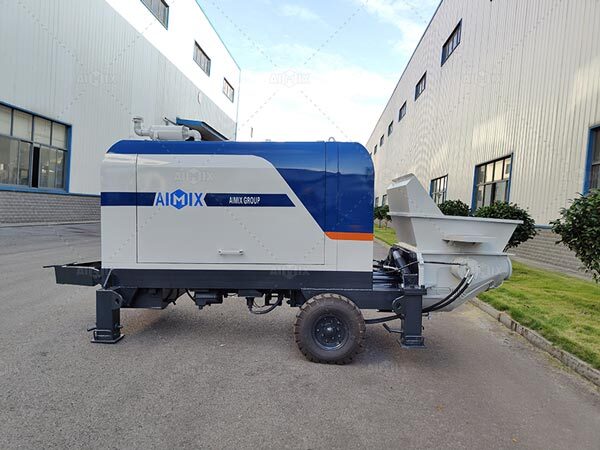
The Evolution of Operator Interface and Precision Control
The most immediate change witnessed by a pump operator over the last decade is the transformation of the control panel. Gone are the days of purely mechanical levers and analog gauges that offered only a vague approximation of what was happening inside the delivery cylinders. Today's smart controls feature intuitive human-machine interfaces (HMIs) with digital displays that present a wealth of real-time data. These systems allow for granular control over the pumping speed and hydraulic pressure, enabling the operator to fine-tune the output to match the exact rate at which the concrete finishers can work. This eliminates the feast-or-famine cycle of fast surges followed by frustrating waits. Furthermore, these intelligent controls facilitate a smoother start-stop sequence, drastically reducing the hydraulic shock that can lead to pipeline "hammering" and premature wear on couplings. By maintaining a more consistent flow regime, the smart system protects both the machine and the delivery line, ensuring the energy is used to move material forward rather than to beat the equipment apart.
Proactive Diagnostics and Predictive Maintenance Capabilities
Beyond the operational finesse they provide, smart controls serve as the pump's own diagnostic physician. Embedded sensors continuously monitor critical parameters such as hydraulic oil temperature, pressure differentials across the concrete stationary pump, and the wear status of internal components like the S-valve and wear plates. When these sensors detect an anomaly—a slight rise in temperature indicating a clogging cooler, or a pressure fluctuation suggesting a worn seal—the system no longer waits for a catastrophic failure. It issues a preemptive alert to the operator, often via the on-screen display or through telematics links to a remote fleet manager. This predictive maintenance capability is the linchpin of ensuring consistent performance. It allows the site supervisor to schedule a component replacement during a planned downtime window rather than suffering an unexpected breakdown in the middle of a critical pour. This foresight turns maintenance from a disruptive emergency into a manageable task, safeguarding project schedules and preserving the delicate chemistry of the concrete being placed.
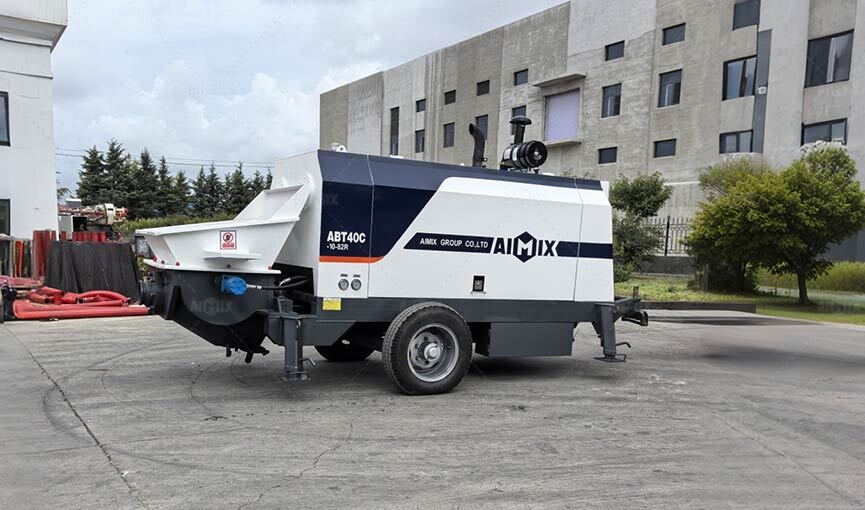
Data Logging and Material Traceability for Quality Assurance
The final frontier of smart pump technology lies in its ability to document the pour itself. Sophisticated on-board computers now log performance data throughout the operation, creating a digital fingerprint for every cubic meter of concrete placed. This system can record pumping pressures, volumes, and durations, correlating them with specific times and dates. For quality assurance managers and project engineers, this data is invaluable. If a question arises about the placement of a particular slab or the consistency of a specific batch weeks or months later, the mini concrete pump's data log provides an objective record of the conditions during that pour. It can confirm that the material was pumped at appropriate pressures without segregation, or it can flag an anomaly that might explain a future defect. This traceability fosters a higher level of accountability and trust between the concrete supplier, the pumping contractor, and the general contractor. It closes the loop on quality control, proving that the method of placement was as sound as the mix design itself, and ensuring that the finished structure rests on a foundation of verifiable, data-backed precision.