Construction projects increasingly face a dual challenge: controlling escalating costs while adhering to stringent environmental expectations. Among the most persistent financial drains is the disposal of concrete waste. Traditionally, this material is transported to landfills, incurring not only tipping fees but also logistical expenses. A more astute and resource-efficient approach is gaining traction—on-site concrete crushing using track crushers. This method transforms waste into valuable aggregate, reshaping both cost structures and sustainability practices in modern construction.
The Rising Cost of Landfill Disposal
Economic Pressures on Construction Projects
The financial burden associated with landfill disposal has intensified in recent years. Tipping fees alone can be substantial, often fluctuating based on regional demand and landfill capacity constraints. When compounded with transportation costs—fuel, labor, and vehicle maintenance—the expense becomes formidable. For large-scale demolition or infrastructure projects, these costs can erode profit margins with alarming سرعة.
Short hauling distances may offer slight relief, but they rarely negate the cumulative expense. Moreover, projects operating under tight budgets find little flexibility when waste removal becomes an unpredictable variable. In this context, reliance on landfills appears increasingly antiquated.
Environmental Regulations and Compliance Burdens
Regulatory frameworks have grown more exacting, imposing strict guidelines on construction waste management. Landfill diversion targets, emissions standards, and documentation requirements add layers of complexity. Non-compliance is not merely a bureaucratic inconvenience; it can result in hefty fines and reputational damage.
Additionally, the environmental impact of transporting heavy concrete debris—carbon emissions, road wear, and noise pollution—cannot be ignored. These externalities, while sometimes overlooked in accounting ledgers, carry tangible societal costs. The impetus to adopt more sustainable practices is therefore both regulatory and ethical.
Track Crushers: A Practical On-Site Solution
How Track Crushers Operate
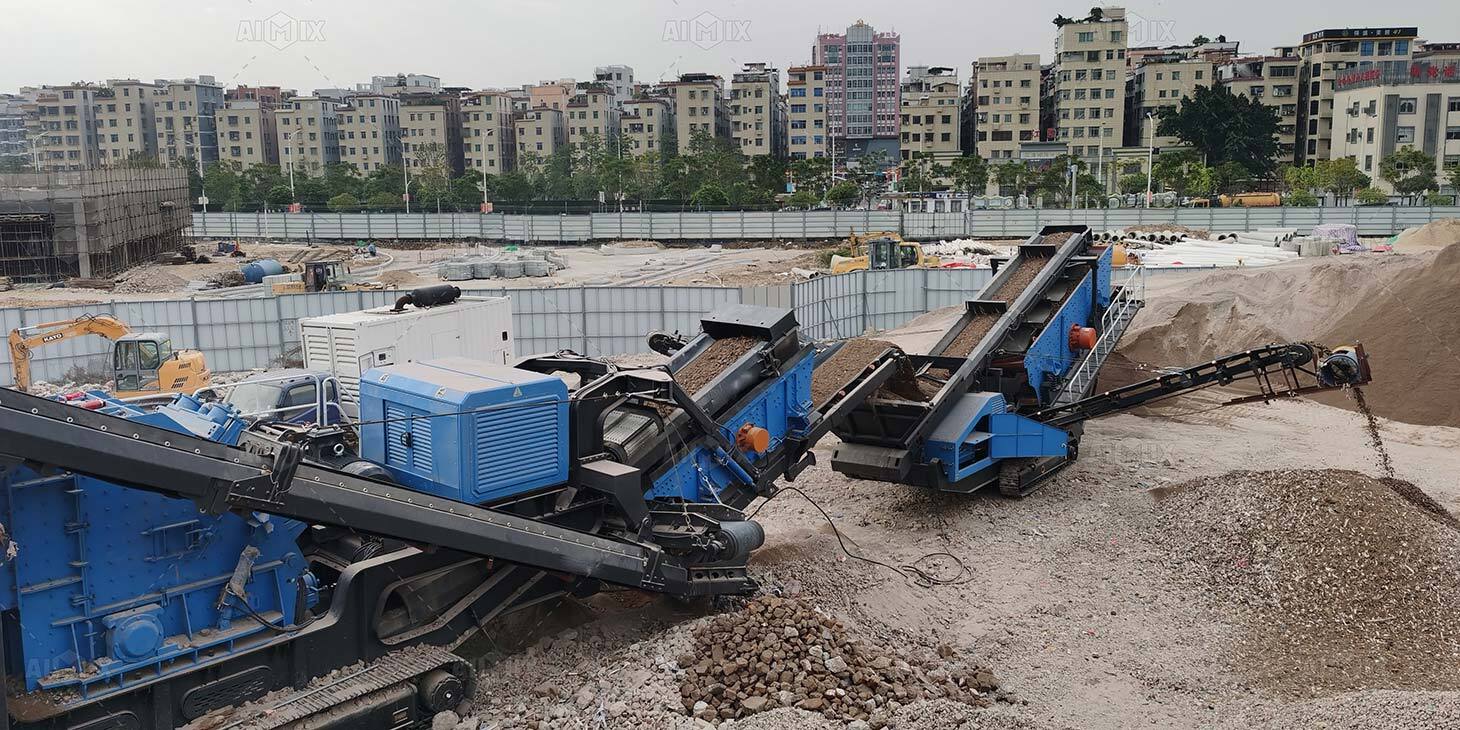
Track crushers are mobile crushing units mounted on crawler tracks, designed to process concrete and other materials directly at the job site. Their operational principle is elegantly straightforward. Concrete debris is fed into the crusher, where it is fragmented into smaller, reusable aggregates through compressive force.
The mobility of these machines is particularly advantageous. Unlike stationary crushing plants, track mobile impact crushers can be repositioned with ease, adapting to the evolving layout of a construction site. This flexibility reduces material handling time and enhances operational efficiency.
Modern track crushers are also equipped with advanced control systems, allowing operators to fine-tune output size and throughput. This precision ensures that the resulting aggregate meets specific project requirements, whether for sub-base layers, drainage applications, or structural fill.
Advantages of Mobile Crushing Over Traditional Disposal
The contrast between on-site crushing and conventional disposal is stark. Transporting waste to a landfill involves multiple logistical steps—loading, hauling, unloading—each introducing cost and inefficiency. By eliminating these, track crushers streamline the entire process.
Time savings are equally significant. Projects can progress without the توقفات associated with waste removal schedules. The immediacy of on-site processing fosters a more continuous workflow, enhancing productivity.
Furthermore, the reduced reliance on external disposal facilities mitigates exposure to fluctuating landfill fees and availability constraints. In essence, track crushers confer a degree of operational autonomy that is both rare and valuable in the construction sector.
Maximizing Savings and Sustainability
Cost Reduction Through Material Reuse
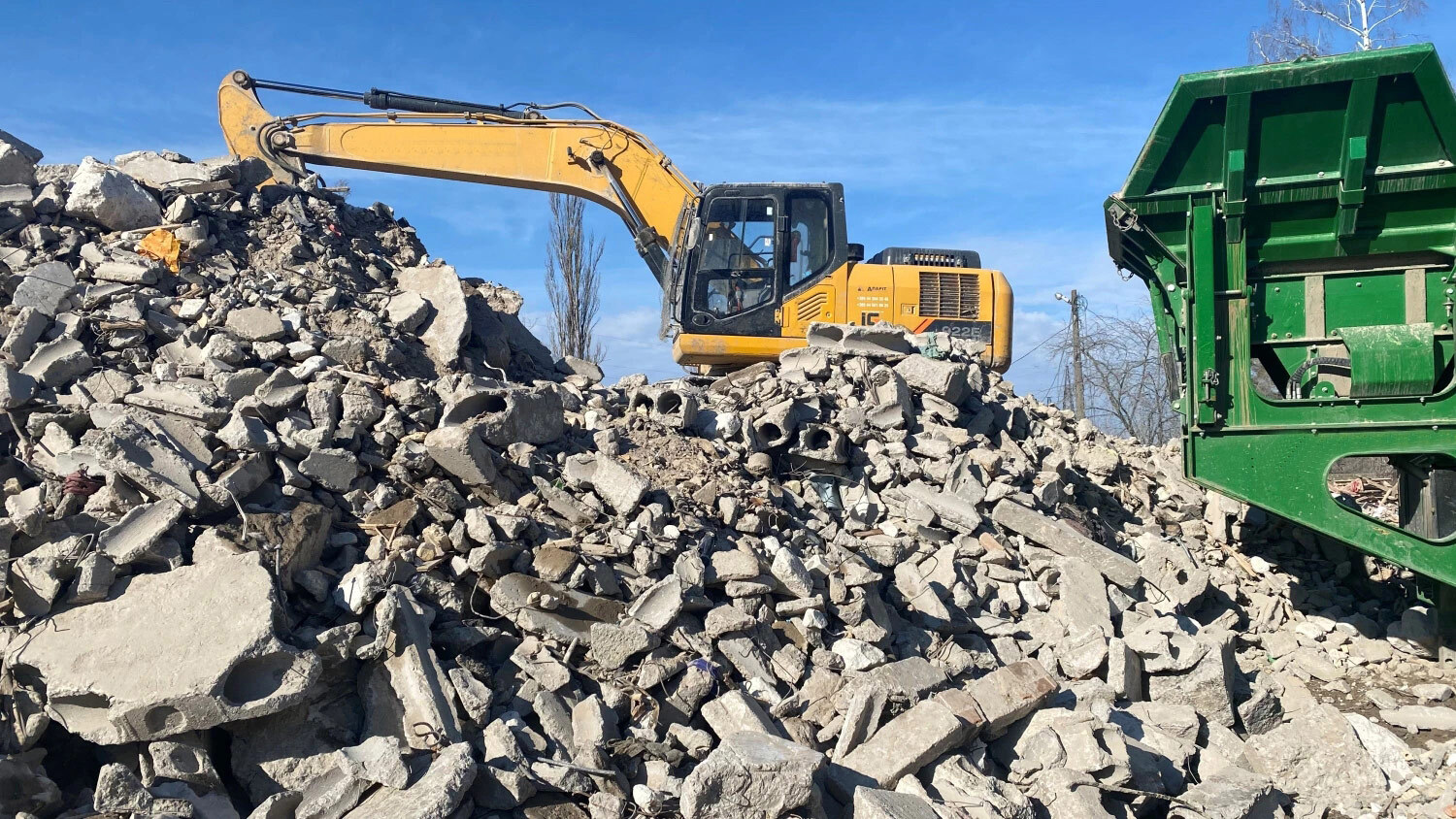
One of the most compelling advantages of on-site concrete crushing is the ability to repurpose material. Crushed concrete can be reincorporated into the project as aggregate, displacing the need for virgin المواد. This substitution yields direct cost savings, as purchasing and transporting new aggregate is often expensive.
The economic benefits extend beyond immediate savings. By reducing the volume of waste sent to landfills, projects can significantly lower tipping fees. The cumulative effect is a more predictable and cost structure, which is particularly advantageous for long-duration projects.
Additionally, the resale potential of excess crushed material introduces a revenue stream. Contractors can supply aggregate to nearby projects, transforming what was once a liability into an asset.
Long-Term Environmental and Operational Benefits
The environmental dividends of using track crushers are substantial. By minimizing waste transportation, projects reduce their carbon footprint and alleviate الضغط on local infrastructure. The conservation of natural resources—through the reuse of concrete—aligns with broader sustainability objectives.
Operationally, the adoption of track crushers fosters a culture of efficiency and innovation. Teams become more adept at resource management, and projects benefit from streamlined processes. Over time, these improvements can enhance competitiveness in a market that increasingly values sustainability credentials.
In a broader sense, the shift toward on-site crushing reflects an evolution in construction philosophy. Waste is no longer viewed as an inevitable byproduct but as a resource to be harnessed. This paradigm shift, underpinned by practical technologies like track crushers, offers a الطريق toward more resilient and cost-effective construction practices.