Let us talk about delays. They are the silent profit killers on any construction site. In Ghana, delays often start with concrete. The ready-mix truck is late. The truck gets stuck in traffic on the Spintex Road. The driver says he will be there in thirty minutes. Two hours later, he arrives. The crew has been waiting. The forms are ready. The pump is set. The concrete finally flows. The pour finishes late. The crew works overtime. The cycle repeats on the next pour. A self loading concrete mixer machine can break this cycle. It puts the control in your hands. The key is using it smarter, not just owning it. This article describes practical strategies for reducing delays with a self loading mixer. The tone is matter of fact. The conversation is direct.
Planning the Material Supply Chain
Stockpiling Aggregates and Cement
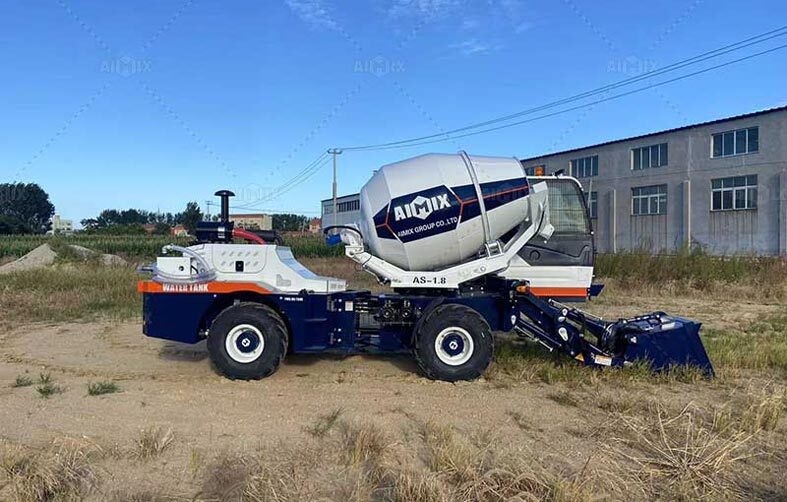
A self loading mixer needs materials. If the aggregates run out, the machine stops. The delay is on you, not the ready-mix supplier. The solution is stockpiling. Keep a 3-day supply of sand and gravel on site. Store cement in a dry, covered area. A 50-bag pallet is 2.5 tonnes. A 100-bag pallet is 5 tonnes. A self loading mixer producing 10 cubic metres per day consumes approximately 50 bags of cement. A 3-day stockpile is 150 bags. The formal observation is that stockpiling requires space and capital. It also eliminates the delay of waiting for a material delivery. The trade-off favours stockpiling for most contractors.
Scheduling Material Replenishment
Do not wait for the stockpile to empty before ordering more materials. Establish a reorder point. When the aggregate pile reaches 20 percent of capacity, place the order. When the cement pallet has 10 bags left, order another pallet. The formal recommendation is to track material usage daily. A simple notebook entry takes two minutes. The data informs the reorder schedule. Contractors who track usage rarely run out of materials. Contractors who guess often do.
Optimising the Daily Pour Schedule
Batch Sequencing and Machine Positioning
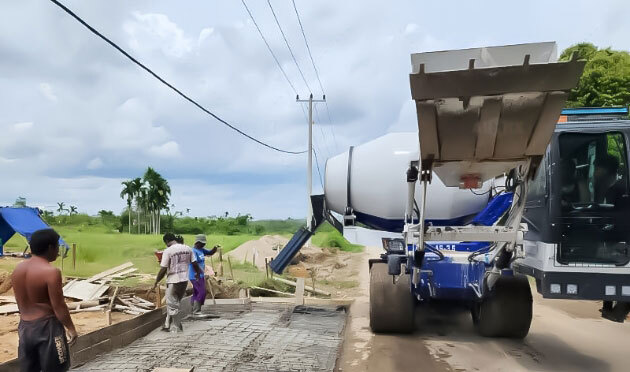
A self loading mixer for sale in Ghana is not a continuous production machine. It produces batches. Each batch takes 5 to 10 minutes, depending on the capacity and the operator's skill. The pour schedule should be planned around the batch cycle. Do not expect to pour a 10 cubic metre slab in 30 minutes. The machine will need 60 to 90 minutes. Position the machine within 10 metres of the pour point. A longer distance requires wheelbarrows or a pump. Both add time. The formal observation is that machine positioning is often overlooked. The operator parks the mixer where it is convenient. The pour is 30 metres away. The crew spends hours moving concrete. A few minutes spent positioning the machine can save hours of labour.
Operator Training and Batch Consistency
The operator is the most important factor in reducing delays. A skilled operator produces consistent batches quickly. An unskilled operator produces variable batches slowly. The difference is 20 to 30 percent in production time. The formal recommendation is to invest in operator training. A 2-day training course on the specific machine model costs $500 to $1,000. The return on that investment is realised within weeks. A trained operator also reduces waste. Consistent batching uses the correct amount of cement. Overuse of cement is a hidden delay. It increases material cost. It may require additional mixing time. The operator who understands the machine will avoid these inefficiencies.
Maintenance That Prevents Unplanned Stops
Daily Inspections and Lubrication
A self loading mixer that breaks down mid-pour is a catastrophe. The concrete in the drum will set. The drum will need to be jackhammered. The delay will be days. The solution is preventive maintenance. A daily inspection takes 15 minutes. Check the engine oil. Check the hydraulic fluid. Check the tyre pressure. Grease all fittings. A machine that is lubricated daily will not seize a pin or wear a bushing prematurely. The formal observation is that daily inspections are often skipped. The operator is busy. The crew is waiting. The inspection is postponed. The machine breaks. The delay is long. Do not skip the inspection.
Spare Parts Inventory
Some parts will fail despite preventive maintenance. Hydraulic hoses burst. Belts break. A spare parts inventory reduces the delay caused by these failures. Keep a set of hydraulic hoses. Keep spare belts. Keep a set of mixer blades. Keep common filters. The formal recommendation is to consult the machine manual for a list of recommended spares. Purchase these parts with the machine. Store them in a dry, secure location. When a part fails, the replacement is on hand. The repair takes hours, not days.
The matter of fact conclusion is that a self loading concrete mixer machine reduces delays when used smarter. Plan the material supply chain. Stockpile aggregates and cement. Schedule replenishment. Optimise the daily pour schedule. Position the machine correctly. Train the operator. Perform daily inspections. Maintain a spare parts inventory. These strategies are not expensive. They require discipline. The contractor who implements them will pour concrete on schedule. The contractor who ignores them will wait. The choice is clear.