The Nigerian construction landscape, characterized by rapid urbanization and critical infrastructure development, presents unique logistical and technical challenges. The procurement of specialized equipment that can address the dual demands of expansive road networks and high-density urban housing is a strategic imperative. A concrete mixer with pump represents a singularly effective solution, combining volumetric batching, mobile mixing, and hydraulic placement into one integrated unit. This machinery directly tackles the prevailing constraints of limited site access, inconsistent material supply, and the high cost of skilled labor. For contractors engaged in federal highway projects or private residential developments, this equipment category transforms project economics by enabling on-demand concrete production and precise placement, fundamentally altering the feasibility and timeline of critical construction activities across Nigeria.
Technical Specifications for Nigerian Application Profiles
Selecting an appropriate concrete mixer with pump for the Nigerian market requires careful analysis of the two primary application vectors: road construction and urban housing foundations. For road projects, including highway paving, bridge abutments, and drainage structures, the emphasis is on production volume and reach. Equipment specifications should prioritize a mixing capacity of 6 cubic meters or more, coupled with a concrete pump capable of output pressures exceeding 80 bar. This pressure rating is necessary to push concrete through long pipelines for culverts or across wide roadbeds, and to achieve the vertical reach needed for elevated sections or retaining walls. The chassis must be robust, featuring all-wheel drive and high ground clearance to navigate the often unfinished, muddy, or uneven terrain adjacent to new road alignments. Diesel engine reliability and fuel efficiency are paramount, given the extended durations and remote locations of many infrastructure sites.
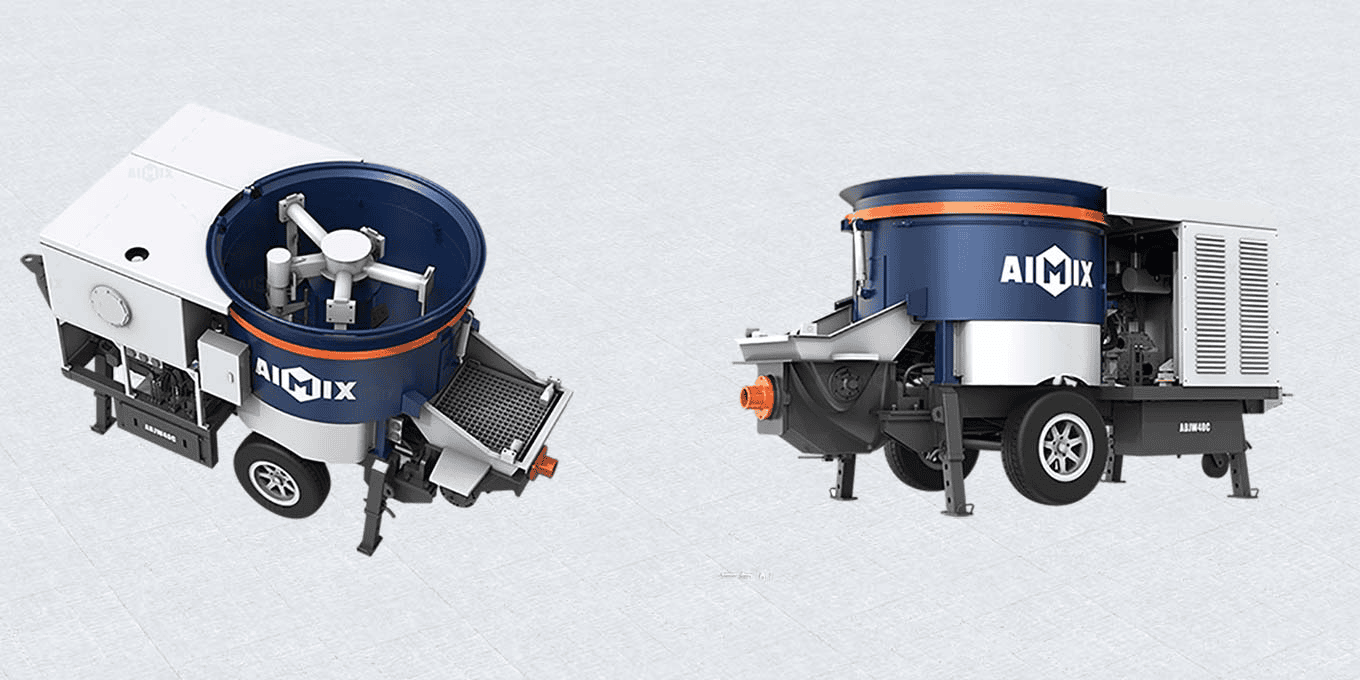
Conversely, urban housing foundation work demands a different configuration centered on maneuverability and precision. Site access in densely populated areas like Lagos or Abuja is often severely constrained by narrow streets, overhead wires, and limited turning circles. Here, a more compact unit with a mixing capacity of 4-5 cubic meters is optimal. The critical feature is the type of concrete pump: a truck-mounted boom pump is vastly superior for urban housing. An articulating or telescopic boom, with a reach of 20 to 40 meters, allows the machine to remain on a stable roadside position while placing concrete directly into excavated foundation pits, raft slabs, or column formwork on adjacent plots. This eliminates the need for makeshift ramps, manual labor-intensive methods, or the impossible task of positioning a transit mixer truck close to the pour location. The ability to place concrete accurately, quickly, and with minimal site disruption makes the mixer-pump combination indispensable for the fast-paced, access-restricted environment of urban residential construction.
Operational Economics and Return on Investment
The capital outlay for a concrete mixer with pump is significant, yet its economic justification becomes clear when analyzed through the lens of total project cost and time savings. The most direct financial benefit is the drastic reduction in labor costs. The machine subsumes the roles of multiple manual mixers, wheelbarrow operators, and placers, allowing a crew of 3-4 to achieve the output that would traditionally require 15-20 laborers. This not only cuts wage bills but also mitigates the pervasive challenge of skilled labor shortages. Material efficiency presents another substantial saving. Batch-for-batch mixing eliminates the enormous waste associated with ready-mix concrete, where minimum load requirements, transportation delays leading to setting, and over-ordering result in significant financial loss. The mixer-pump produces exactly what is needed, when and where it is needed, converting nearly 100% of raw materials into placed structure.
The profound economic impact, however, is in the acceleration of the critical path. In road construction, continuous production and placement enable longer uninterrupted pours for kerbs, slabs, or parapets, drastically reducing construction joints and improving structural integrity while shortening the project timeline. For urban housing developers, the speed of foundation completion is often the primary constraint on project velocity and cash flow. A concrete mixer pump in Nigeria can complete the concrete work for a standard foundation in hours rather than days, allowing the masonry team to commence work immediately. This compression of the schedule leads to earlier project completion, which translates to faster sales, earlier rental income, and the ability to deploy capital to the next project. The return on investment is not merely measured in direct cost savings, but in the enhanced annual revenue-generating capacity of the contracting business or development firm. For a contractor consistently engaged in either sector, the payback period for a quality machine can be less than 18 months, after which it becomes a pure profit center.
Strategic Procurement and Market Navigation
Successfully acquiring and deploying this equipment in Nigeria requires a strategic approach to procurement and a clear understanding of the local market ecosystem. The first decision point is the choice between new and used equipment. While a new machine from a reputable international brand offers the latest technology, full warranty, and predictable performance, it commands a premium price. A well-maintained used machine, potentially sourced from markets with similar operating conditions, can offer a lower entry point but carries inherent risks regarding service history and remaining component life. Crucially, the decision must be made in conjunction with an evaluation of after-sales support. The machine's sophistication necessitates reliable technical service and consistent spare parts availability. Prioritizing brands that have established dealership networks with trained technicians and parts inventories in major hubs like Lagos, Port Harcourt, and Abuja is a non-negotiable aspect of risk management.
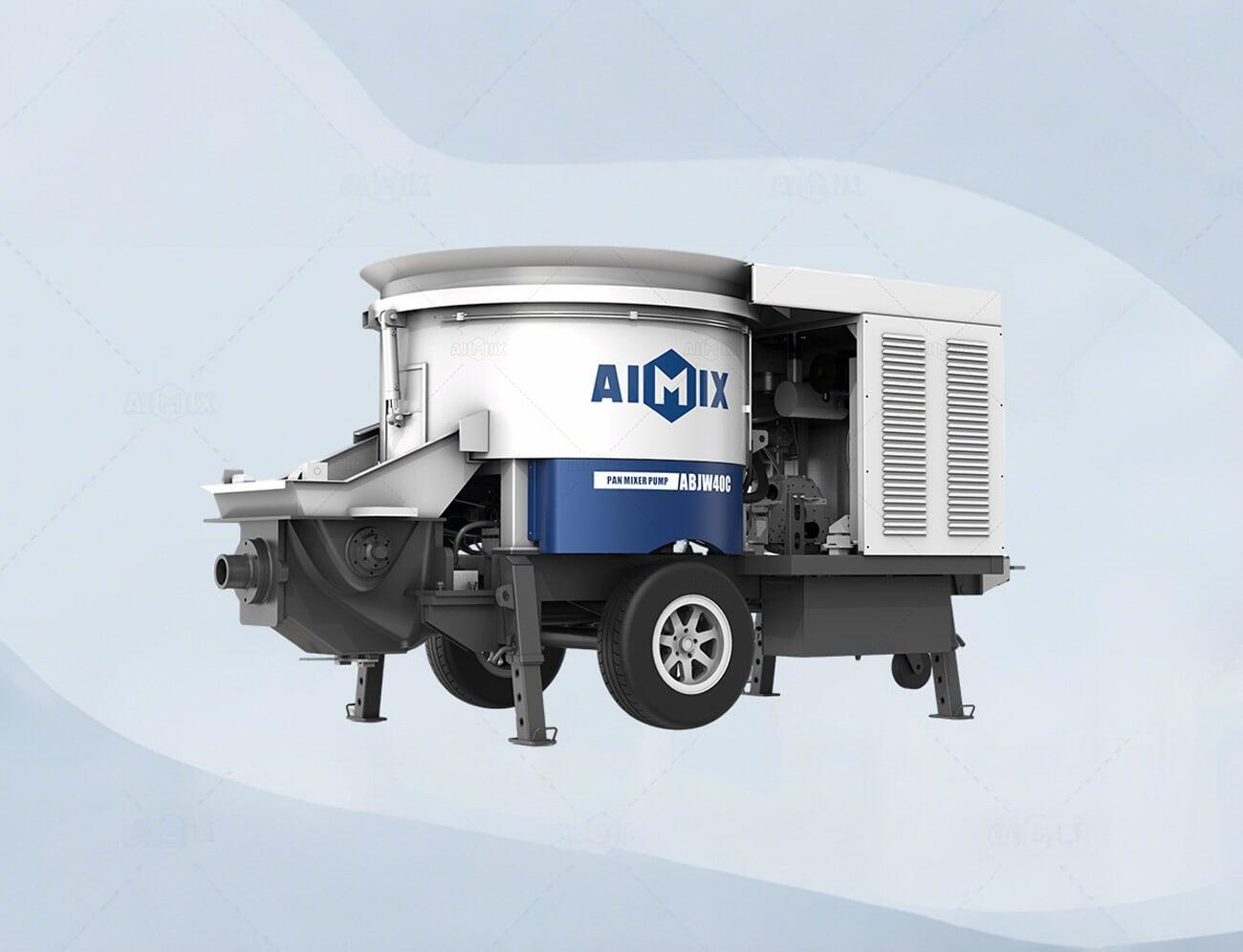
Financing the acquisition is the next critical hurdle. Various models exist, from outright purchase to equipment leasing or hire-purchase agreements offered by dealerships in partnership with financial institutions. The optimal model depends on the contractor's cash flow and project pipeline. Furthermore, operator training is an investment unto itself. The efficiency and longevity of the machine are directly tied to the skill of its operator. Ensuring that drivers are thoroughly trained not just in basic operation, but in routine maintenance, troubleshooting, and safe pumping practices, is essential. Finally, navigating the logistical and regulatory landscape—understanding customs clearance for imported machines, securing necessary haulage permits for oversized equipment, and ensuring compliance with any local regulations—is a prerequisite for successful deployment. By methodically addressing procurement, support, training, and logistics, Nigerian contractors can transform the concrete mixer with pump from a major capital expense into the cornerstone of a more efficient, profitable, and competitive construction operation.