The world of sand making is undergoing a metamorphosis, shedding its legacy as a brute-force operation and emerging as a pinnacle of precision engineering and intelligent design. The year 2025 is not just another calendar flip; it's a watershed moment where the aggregate industry is embracing a new generation of technology that is smarter, cleaner, and astonishingly efficient. We are moving beyond simple rock-on-rock or rock-on-metal impacts into a realm of controlled comminution, where every kilowatt-hour of energy is directed with surgical intent. The innovations on the horizon are poised to revolutionize yield, elevate product quality to unprecedented levels, and fundamentally redefine the environmental footprint of sand production. Get ready to explore the groundbreaking advancements that are setting a new global benchmark for manufactured sand.
The Rise of Intelligent Crushing: AI and Machine Learning Take Center Stage
The most profound shift in 2025 is the infusion of artificial intelligence into the very heart of the sand making process. This is no longer about simple automation; it's about creating a self-optimizing system that learns and adapts in real-time.
Predictive Optimization and Real-Time Parameter Adjustment
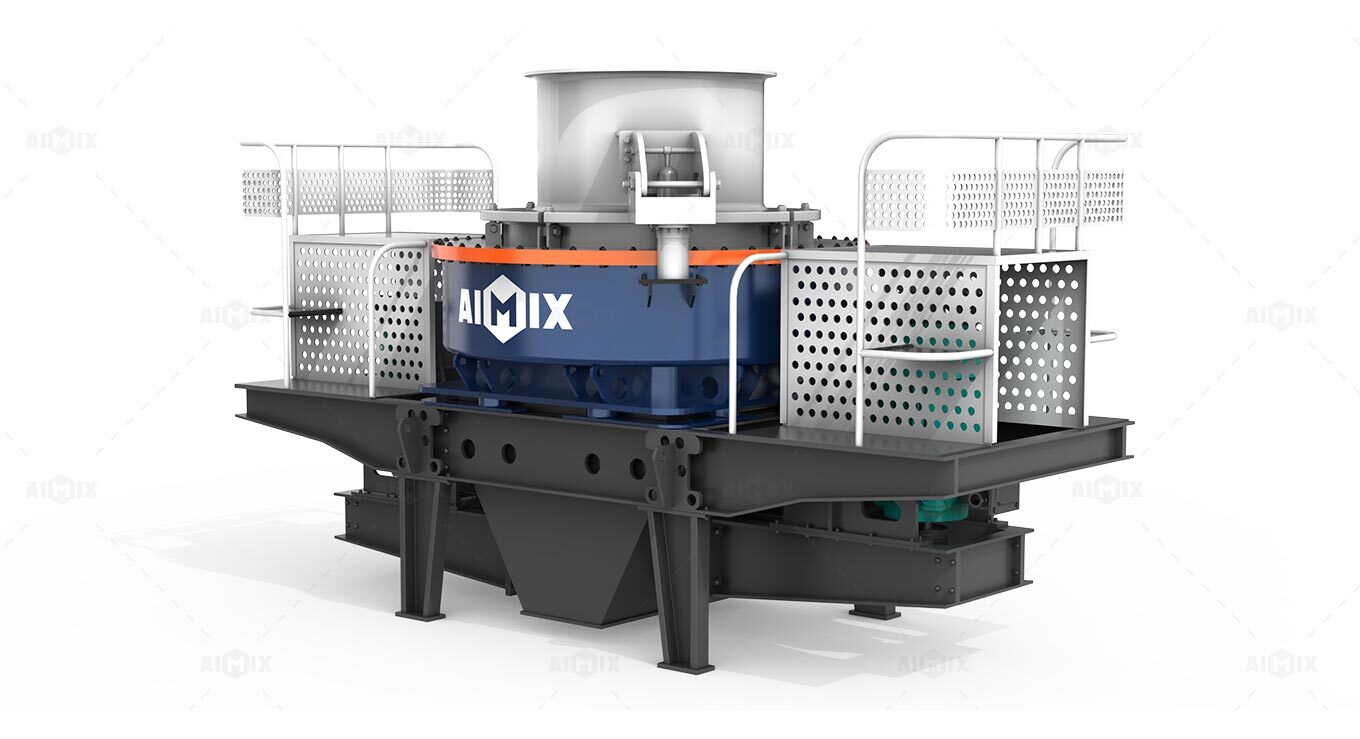
Imagine a Vertical Shaft Impactor (VSI) that can autonomously adjust its rotor speed, feed rate, and cascade ratios based on the minute-by-minute analysis of feed material. Advanced sensor suites, including laser-based particle analyzers and acoustic monitors, provide a continuous stream of data on feed size distribution, moisture content, and abrasiveness. An onboard AI processes this data, cross-referencing it with a vast historical library to predict the optimal
sand making machine configuration. This isn't just reactive; it's predictive. The system can anticipate wear patterns and preemptively adjust operations to maintain a consistent product grade, maximizing throughput and liner life simultaneously.
Autonomous Operation and Integrated Process Control
The scope of this intelligence extends far beyond the crusher itself. In 2025, we see the full integration of the sand plant as a holistic entity. The AI controller manages the entire circuit, from the primary feed to the final product stockpiling. It can autonomously divert material flows, adjust screen angles, and modulate water addition in the classification system to maintain a perfect equilibrium. This creates a "set-and-forget" operational paradigm where human intervention is focused on supervision and exception handling, leading to remarkable gains in consistency and a significant reduction in operational variances.
Advanced Comminution: A Leap in Efficiency and Particle Shape
While the "brain" of the operation is getting smarter, the "brawn" is also undergoing a radical evolution. New mechanical philosophies are delivering a quantum leap in energy efficiency and the all-important production of high-quality, cubical grains.
High-Frequency Inter-Particle Crushing Systems
The latest generation of
aggregate crusher machines is perfecting the principle of inter-particle comminution. By creating a dense, cascading bed of material within the crushing chamber, these systems force rock to crush against itself. This method is exponentially more efficient than traditional impact methods, as energy is transferred directly between particles with minimal loss to wear liners. The result is a dramatic reduction in wear part costs and a significant drop in power consumption per ton of output. Furthermore, this controlled, multi-directional breakage naturally produces a superior, well-shaped cubical product with minimal flakiness, which is paramount for high-strength concrete applications.
Hydro-Pulse Dynamic Classifier Technology
The innovation doesn't stop at the crusher. Wet classification, a critical step in removing harmful fines, has been stuck in an era of static sieves and settling ponds. The breakthrough in 2025 is the Hydro-Pulse Dynamic Classifier. This system uses a combination of precisely controlled water pressure pulses and variable-frequency vibration to fluidize and separate fine particles. It offers unparalleled control over the final product's gradation, allowing operators to dial in a specific particle size distribution with pinpoint accuracy. This technology drastically reduces water consumption compared to traditional washing screws and produces a much drier, more handleable fine aggregate byproduct.
The Sustainability Imperative: Zero-Waste and Energy Recapture
The defining characteristic of 2025's sand making technology is its unwavering commitment to circular economy principles. The goal is no longer just to make sand, but to do so with zero waste and a net-positive environmental contribution.
Closed-Loop Water Management and Fines Valorization
Modern sand plants are now designed as fully closed-loop systems. Every drop of process water is captured, treated through advanced filter press systems, and recirculated. The extracted fines, once a problematic waste product, are now being valorized. Innovations in geopolymerization and mineral activation are turning these crusher dusts into valuable raw materials for soil stabilization, low-carbon cement substitutes, and even specialized agricultural amendments. This transforms a liability into a revenue stream and completely eliminates the need for sludge ponds.
Kinetic Energy Recapture Systems and Hybrid Power Trains
Addressing the substantial energy appetite of crushing, 2025 introduces kinetic energy recapture systems. These systems capture the immense energy generated by the rotor and
rock crusher dynamics, converting it into electrical energy that is fed back into the plant's power grid. Furthermore, we are seeing the rise of hybrid power trains, especially in mobile applications. These systems combine a traditional diesel engine with a battery storage system, allowing the plant to operate on grid power when available and use the diesel generator only for peak demand or mobility, slashing fuel costs and carbon emissions. This isn't just incremental improvement; it's a fundamental re-engineering of sand production for a sustainable future.