Thinking about starting a ready mix concrete plant is a big step. It's an exciting venture that plays a crucial role in building our communities. But before the first truck rolls out, there's a lot of planning and investment required. We want to walk you through the main areas where capital is needed, not to discourage you, but to help you build a clear and realistic roadmap. Understanding these requirements upfront is the best way to set your business up for long-term success and stability. It's about being prepared, so you can focus on what matters most: delivering quality concrete and growing your enterprise.
The Foundation: Land, Site Development, and Infrastructure
It all starts with the right piece of earth. You'll need a suitable plot of land, and this is often the first significant capital outlay. The location is paramount—it should be strategically placed near your target market to minimize delivery times and costs, but also zoned appropriately for industrial use. Think about access for large trucks, both yours and the bulk carriers delivering cement and aggregates. Once you have the land, site development begins. This isn't just clearing a space; it's about creating a functional, efficient, and compliant facility. You'll need to budget for proper grading, constructing stable foundations for heavy silos and equipment, and paving areas for truck traffic and material stockpiles. Then comes the essential infrastructure: bringing in three-phase electrical power, installing a reliable water supply (often needing a large holding tank), and setting up drainage and runoff management systems to meet environmental regulations. These initial costs for land and site prep form the literal and financial foundation of your entire operation.
The Heart of the Operation: Essential Plant and Transport Equipment
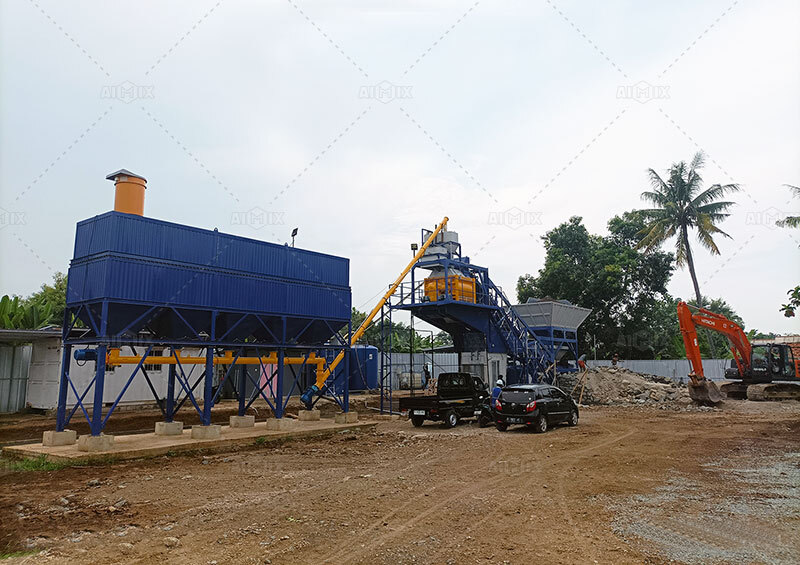
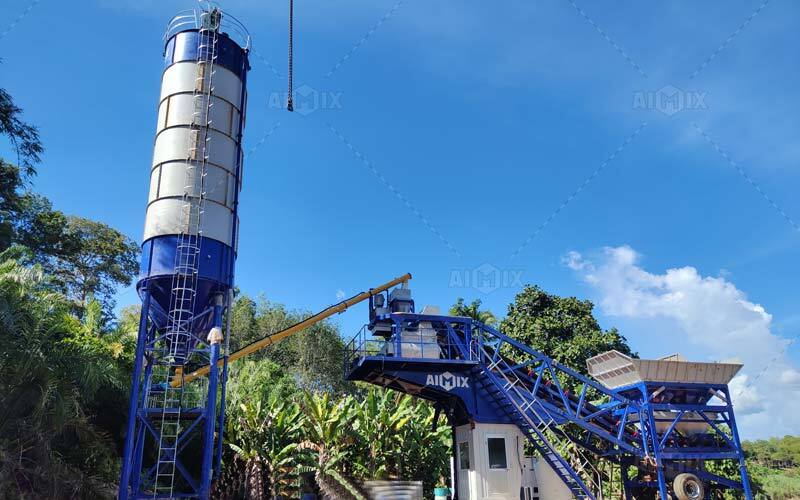
This is where your plant comes to life. The batching plant itself is the centerpiece, and its cost can vary widely based on automation level and capacity. A fully automated concrete batching plant for sale with computerized controls is a larger initial investment but offers incredible consistency and efficiency. You'll also need bulk cement silos, aggregate bins, and a sophisticated water metering system. Don't forget the massive piece of the puzzle: your delivery fleet. Each transit mixer truck represents a major capital expense. Many new companies start with a few trucks and grow the fleet as the business expands. Beyond the big items, remember the supporting cast of equipment. A wheel loader for handling aggregates is essential. You'll also need scales, testing equipment for quality control, and an on-site laboratory. Setting aside a fund for initial spare parts and tools is a wise move, ensuring you can handle minor repairs without delay from day one.
The Human Element: Labor, Licensing, and Working Capital
Your team and the permits to operate are just as critical as the steel and cement. You'll need to budget for skilled and reliable personnel. This includes portable concrete plant operators, maintenance technicians, quality control managers, dispatchers, and truck drivers. Offering competitive wages and benefits is key to attracting and retaining good people, which directly impacts your product quality and customer service. Simultaneously, you must account for the soft costs of getting legal. This includes business licensing, environmental permits, air quality permits (for dust control), and operating licenses from your local department of transportation. Insurance is another substantial and non-negotiable line item, covering liability, vehicles, and the plant itself. Finally, and this is so important, you must have ample working capital. This is the money that keeps the lights on between pays. It covers your first payroll, initial purchases of cement and aggregates, fuel, and other supplies before you receive payment from your first customers. A healthy cushion of working capital provides peace of mind and allows your business to operate smoothly through the natural ebbs and flows of cash flow. It’s the resource that lets you breathe and focus on building your business, not just surviving the first few months. Taking the time to plan for all these elements shows a deep care for the future of your venture and everyone who will depend on it.