In the realm of aggregate processing, the ability to effectively control the input and output sizes of materials is paramount. This control not only ensures optimal performance of the machinery but also significantly influences the quality of the final product. Various factors play a crucial role in determining these sizes, including the types of crushers employed, the settings adjusted, and the characteristics of the material being processed. Understanding these elements is essential for operators aiming to achieve consistency and efficiency in their operations. Below, we delve into the intricacies of managing aggregate sizes through advanced crusher technology.
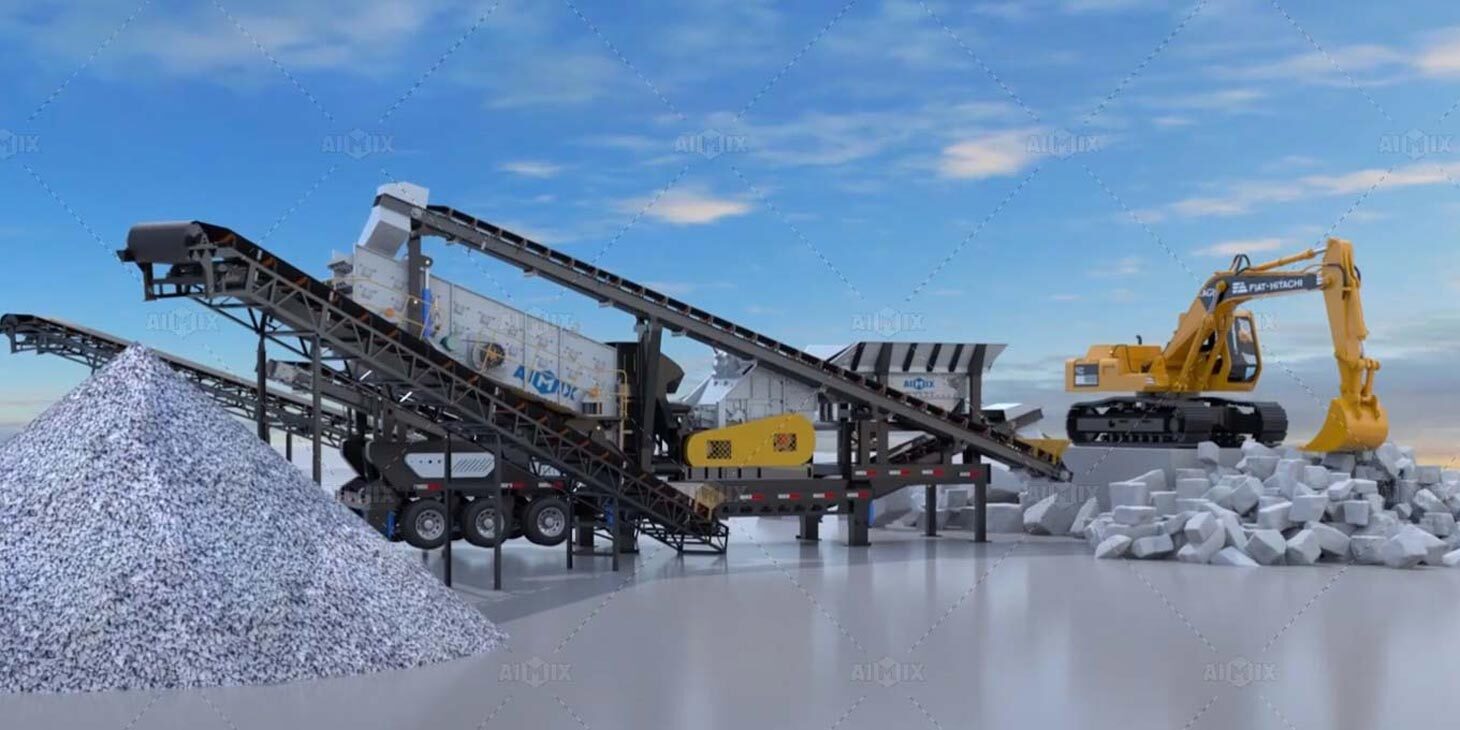
Understanding Crusher Machine Mechanisms
Crushers are available in various configurations, each tailored to specific applications. Jaw crushers, for instance, excel at breaking down larger rocks due to their powerful compressive forces. Conversely, cone crushers are adept at producing finer materials through a combination of compression and attrition. Lastly, impact crushers deliver exceptional results in producing uniform aggregatesizes by utilizing high-speed impacts. Understanding the distinct functions of these machines is crucial for selecting the appropriate crusher for desired output sizes.
One of the most effective ways to control output size is through meticulous adjustments of the crusher settings. For jaw crushers, altering the closed side setting (CSS) will directly affect the size of the output material. Similarly, cone crushers for sale allow operators to adjust the setting of the mantle to achieve finer or coarser outputs. Additionally, the use of screens and grizzlies can further refine the size of the aggregates, ensuring that the desired specifications are met consistently. Regular monitoring and adjustments are vital to maintaining the desired output size.
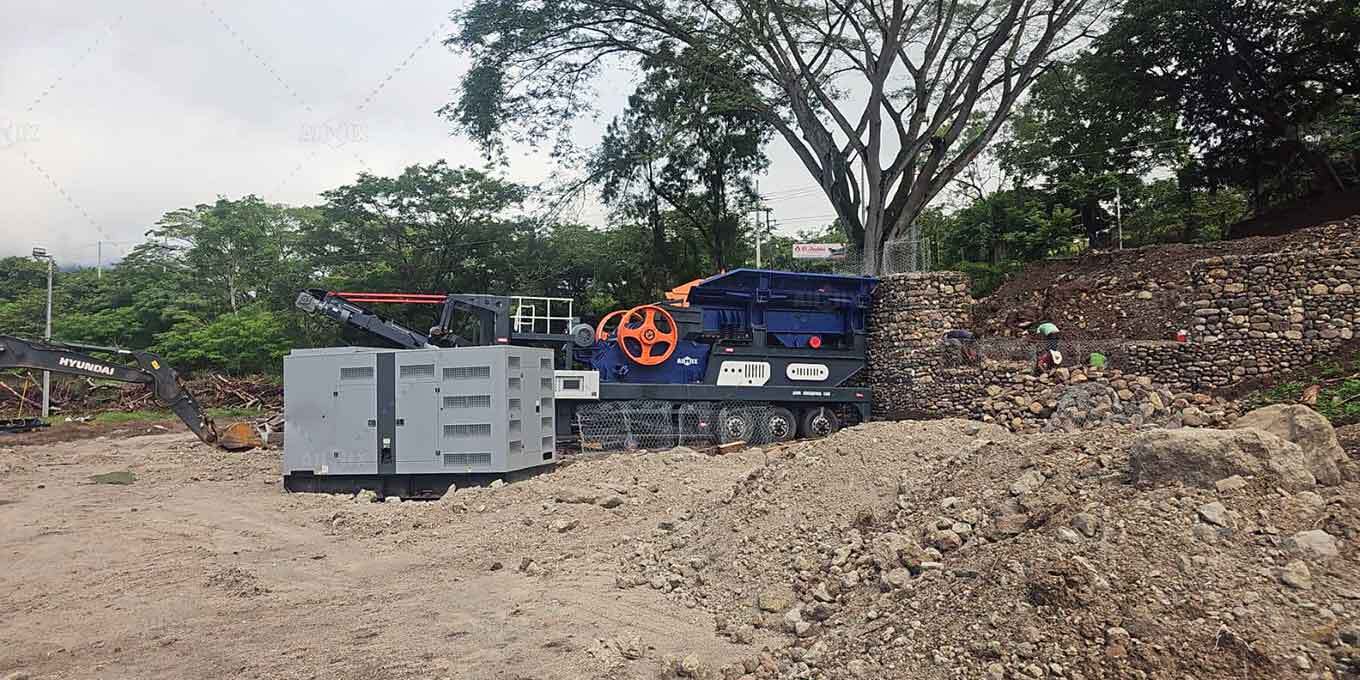
Material Characteristics and Their Impacts
The composition of the material being processed significantly impacts the efficiency of size control in crushers. Harder materials may require more robust machinery and slower processing speeds to prevent excessive wear on the equipment. Conversely, softer aggregates can often be processed more rapidly. Moisture content and the presence of impurities can also affect the crushing process, as wet materials may clump together, leading to uneven sizing. Understanding the characteristics of the input material is essential for optimizing the crushing process.
To ensure that the output sizes remain consistent, implementing stringent quality control measures is necessary. Regular sampling and testing of the output material help to identify any deviations from the desired specifications. Employing automated systems can aid in monitoring the output more effectively, allowing for real-time adjustments to be made as needed. Additionally, training operators in best practices for monitoring and adjusting the aggregate crusher machinery will contribute to maintaining the quality of the aggregates produced.
Conclusion
In summary, controlling the input and output sizes of aggregates through crusher machine processing is a multifaceted endeavor that requires a comprehensive understanding of various factors. By selecting the appropriate type of crusher, adjusting settings meticulously, and considering the material characteristics, operators can achieve optimal results. Furthermore, the implementation of robust quality control measures ensures that the final product meets the required specifications consistently. Mastering these elements not only enhances operational efficiency but also contributes to the overall success of aggregate processing endeavors.